



Forensic & Criminological Matrix
| Parameter | Forensic Detail |
|---|---|
| Forensic Heading / Aliases | The Angel Maker of Nagyrév, Auntie Júlia |
| Legal Identity | Júlia Fazekas |
| Confirmed Victims | 45 to 50 (estimated up to 300 regionally) |
| Active Timeline | 1911 - 1929 |
| Jurisdiction / Area of Operations | Nagyrév and Tiszakürt, Jász-Nagykun-Szolnok County, Hungary |
| Criminological Classification | Serial killer, instigator, proxy poisoner |
| Forensic Modus Operandi | Arsenic extraction via boiling flypaper strips, supplying and instructing local women to poison abusive husbands, relatives, or lovers, and securing false death certificates through municipal accomplices. |
| Weapon / Mechanism of Death | Systemic arsenic poisoning administered via food or wine |
| Motive / Behavioral Dynamics | Financial gain, matriarchal social control, escape from forced/abusive marriages, and elimination of familial burdens |
| Judicial Outcome | Suicide by toxic ingestion/hanging prior to trial in November 1929 |
1. Background and Psychopathy
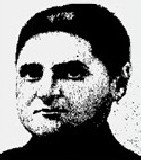
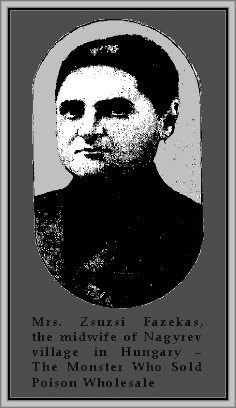
Júlia Fazekas arrived in the isolated agricultural village of Nagyrév, located in the Tiszazug region of Hungary, around 1911. She established herself as the local midwife and primary medical practitioner in an era lacking certified physicians and governed by strict Austro-Hungarian patriarchal norms. Her background was obscure, marked by an inexplicably missing husband. Prior to orchestrating her criminal enterprise, Fazekas was repeatedly arrested for performing illegal abortions, though consistently acquitted by sympathetic judges.
2. Crime Spree
During World War I and the interwar period, the geographic isolation of Nagyrév and the presence of Allied prisoners of war shifted local social dynamics. Many women, forced into arranged or abusive marriages in their youth, engaged in affairs with the POWs. When Hungarian soldiers returned from the front demanding the restoration of traditional domestic control, severe friction ensued.
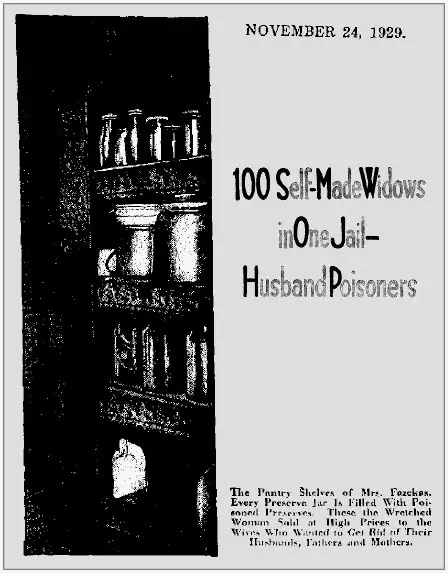
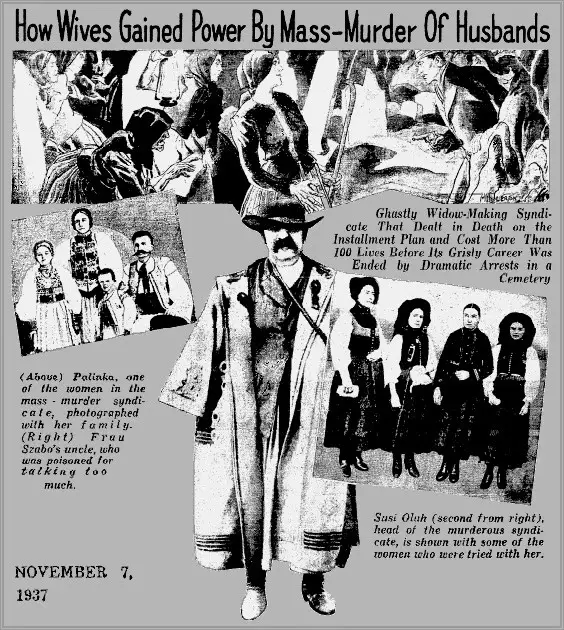
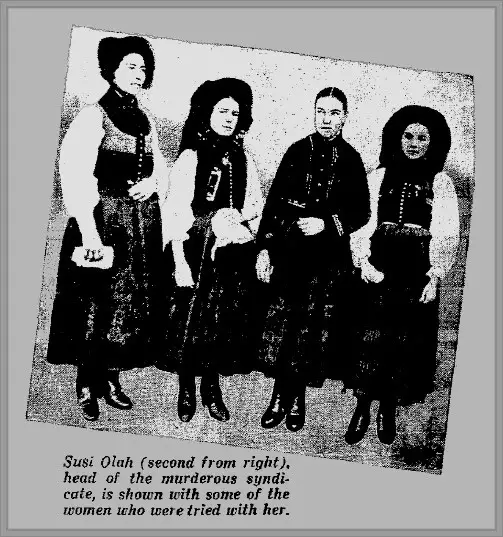
Sensing an opportunity, Fazekas initiated a lethal enterprise. She discovered that boiling flypaper strips allowed her to extract concentrated arsenic, which she bottled and sold to discontented wives seeking a permanent escape from their marital constraints. The killing spread organically: women began poisoning elderly parents for inheritances, inconvenient lovers, or even troublesome children. Operating under the umbrella of "The Angel Makers of Nagyrév," an estimated 45 to 300 individuals were murdered over a span of nearly two decades.
3. Investigation and Forensic Hunt
Fazekas's operation remained undetected largely due to her medical monopoly and a crucial familial connection: her cousin served as the municipal clerk responsible for filing death certificates, readily logging arsenic-induced deaths as natural illnesses or drowning.
The conspiracy unraveled in late 1929. Historical accounts point to varying catalysts, including an anonymous tip sent to a local newspaper exposing widespread poisoning in Tiszazug, high arsenic concentrations detected in a corpse washed up on the Tisza River by a medical student, or the caught-in-the-act confession of a local poisoner.
4. Arrest and Judicial Proceedings
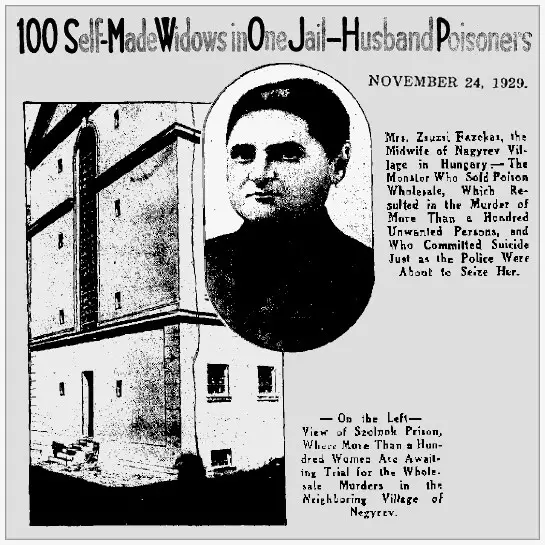
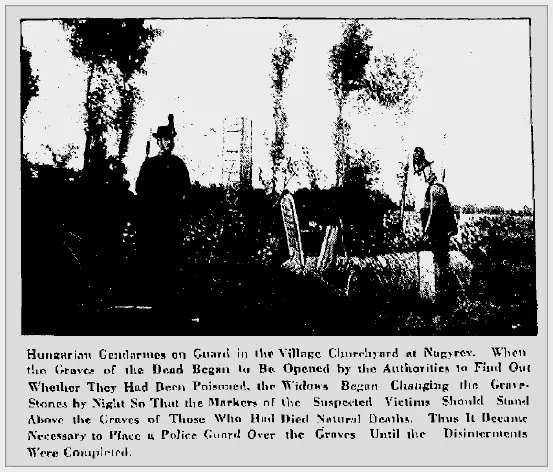
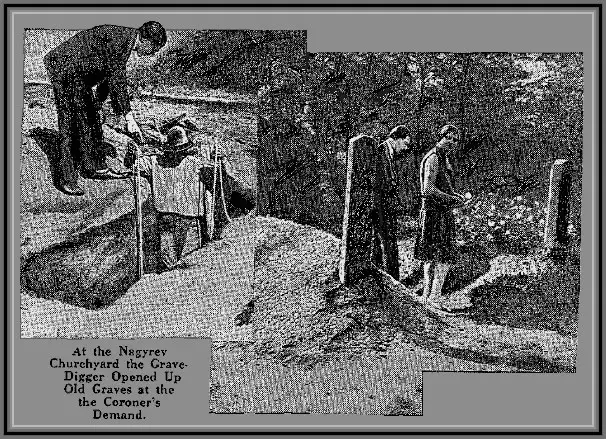
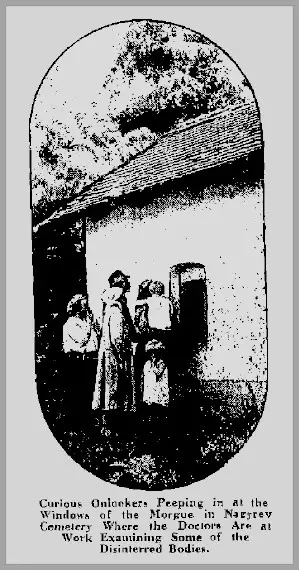
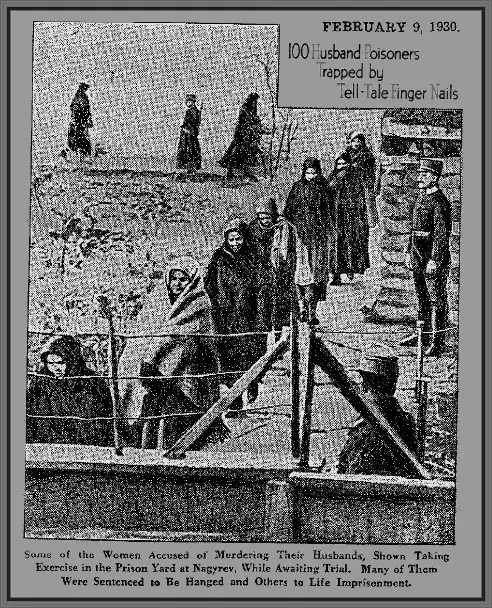
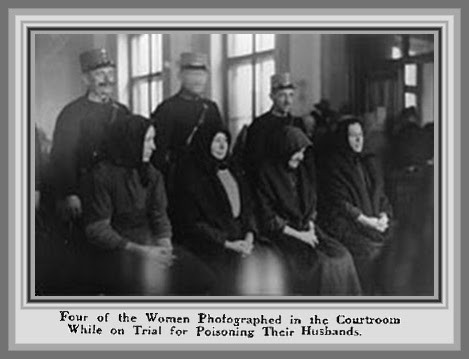
Prompted by mounting evidence, judicial authorities ordered mass exhumations in the Nagyrév cemetery. Testing confirmed high levels of arsenic in the vast majority of examined bodies, leading to the immediate arrest of dozens of suspects.
Realizing that her clandestine network had collapsed, Júlia Fazekas evaded formal prosecution. In November 1929, as law enforcement closed in on her home, she committed suicide by ingesting or utilizing the toxic agents she had manufactured for eighteen years.
5. Psychiatric Assessment and Aftermath
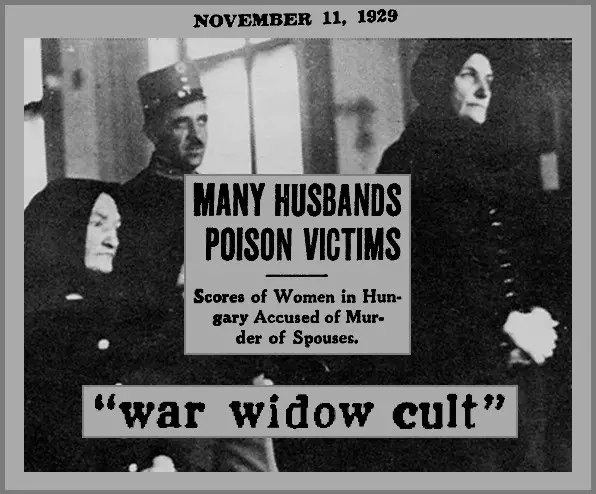
The Nagyrév poisoning scandal shocked interwar Europe due to its communal scale and the chilling rationalization of murder by female caretakers in an isolated rural setting. Criminologists and historians view Fazekas's actions as a lethal manifestation of defiance against an oppressive patriarchal society offering no legal avenues for divorce. Although Fazekas escaped the gallows through suicide, subsequent trials of her co-conspirators resulted in multiple death sentences and prison terms, cementing her legacy as one of history's most methodical female instigators.