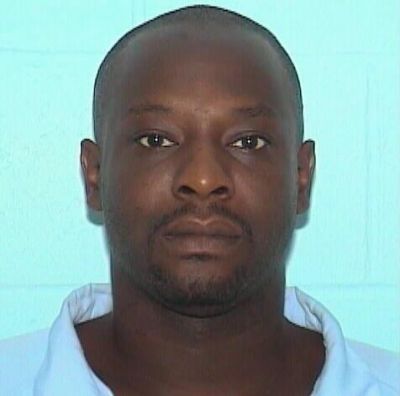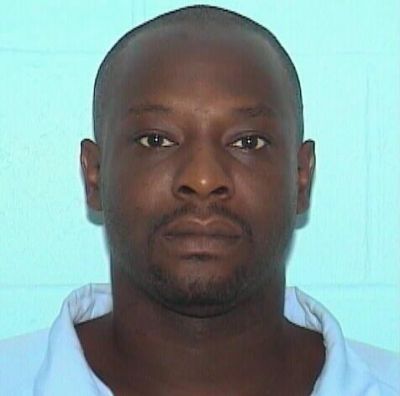





Forensic & Criminological Matrix
| Parameter | Forensic Detail |
|---|---|
| Forensic Heading / Aliases | Lorenzo Fayne |
| Legal Identity | Lorenzo Fayne |
| Confirmed Victims | 5 |
| Attributed / Indicted Victims | 5 |
| Active Timeline | 1989-1993 |
| Jurisdiction / Area of Operations | East St. Louis, Illinois |
| Criminological Classification | Serial Killer |
| Forensic Modus Operandi | Sexual assault, strangulation, stabbing, and necrophilia |
| Weapon / Mechanism of Death | Physical force, belt, knife |
| Motive / Behavioral Dynamics | Sexual sadism and necrophilia |
| Judicial Outcome | Life imprisonment without parole |
1. Background and Profile
Born in 1971, Lorenzo Fayne grew up in Milwaukee, Wisconsin, in a household defined by severe abuse, alcoholism, and drug addiction. Forensic evaluations noted that Fayne was both a witness to and a victim of domestic violence. His criminal history began at age 13, involving juvenile offenses such as shoplifting, stalking, and animal abuse, which served as precursors to his later violent crimes.
2. Criminal Career and Modus Operandi
Fayne's crime spree occurred primarily in East St. Louis, Illinois. He targeted vulnerable victims, luring them away from public spaces or attacking them in their homes. His victims included Aree Hunt, Fallon Flood, Latondra Dean, Faith Davis, and Glenda Jones. Forensic evidence confirmed that Fayne engaged in sexual assault and necrophilia. He often used belts for strangulation or knives for stabbing, demonstrating a clear pattern of sadistic behavior.
3. Investigation and Arrest
Police apprehended Fayne after a K-9 unit tracked blood from the scene of Faith Davis's murder to his grandmother's home. During a five-hour psychiatric examination, Fayne provided a detailed confession for all five murders, confirming his role as a serial sex offender.
4. Legal Proceedings and Outcome
Fayne was first convicted in 1994 for the murder of Aree Hunt. Despite initial jury support for the death penalty, legal hurdles and a later moratorium on capital punishment in Illinois led to his sentence being commuted to life imprisonment without the possibility of parole. He remains incarcerated for his crimes.
5. Psychiatric Evaluation and Conclusion
Defense attorneys attempted to use an insanity defense, citing Fayne's traumatic upbringing and potential brain damage. However, prosecution experts, including Dr. John Rabun, testified that Fayne possessed the capacity to understand his actions and was not legally insane, confirming his status as a calculated serial predator.