



Forensic Case Matrix
| Parameter | Forensic Detail |
|---|---|
| Full Legal Name | Cordell Farrington |
| Investigative Identity | Cordell Farrington |
| Judicial / Media Alias | The Freeport Serial Killer / The Grand Bahama Serial Murders |
| Date of Birth | November 20, 1968 |
| Place of Birth | Nassau, Bahamas |
| Location of Offenses | Freeport and eastern pine barrens, Grand Bahama, The Bahamas |
| Period of Criminal Activity | October 2000 (initial partner homicide) – September 2003 |
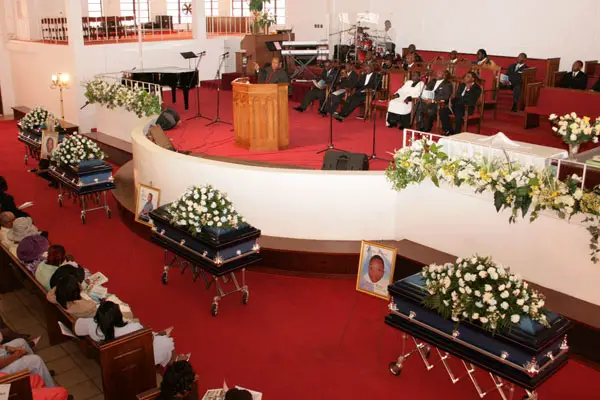
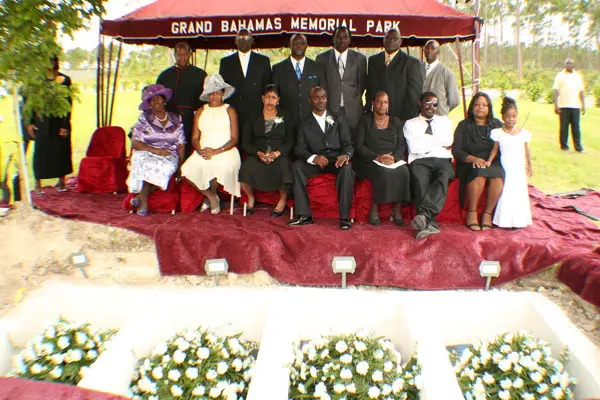
| Confirmed Fatal Victims | 5 (Jamaal Robins, 22; Mackinson Colas, 11; Junior Reme, 11; DeAngelo McKenzie, 13; Desmond Ellsworth Rolle, 14) |
| Suspected Additional Victims | 1 minor (Jake Grant, 12, disappeared May 2003) |
| Forensic Cause of Death | Blunt cranioencephalic trauma via iron bar (Robins); mechanical asphyxiation and ligature/manual strangulation (minors) |
| Procedural Status | Initially sentenced to death in 2006; commuted on appeal in 2010 to life imprisonment based on diminished responsibility |
| Trial Court | Supreme Court of the Bahamas |
Criminological Profile and Background
Cordell Farrington was an artisan and warehouse worker in Freeport, Grand Bahama. Perceived by coworkers and neighbors as polite, religious, and quiet, he harbored profound psychiatric disorders alongside an extensive history of substance dependency, receiving inpatient care at the Sandilands Rehabilitation Centre in New Providence in the late 1990s.
While at Sandilands, Farrington formed a relationship with twenty-two-year-old Jamaal Robins. Following discharge, both cohabited in Grand Bahama. According to Farrington's videotaped statements to investigators, in October 2000, escalating arguments concerning drug expenditure and separation threats prompted Farrington to strike Robins repeatedly in the head with an iron bar while Robins slept.
Farrington subsequently moved Robins's body to secluded brush off the Grand Bahama Highway. Months later, he returned to recover the skeletonized remains, dividing the bones into plastic bags labeled with identification numbers and storing them in cardboard boxes in his residence, claiming a pathological compulsion to maintain physical proximity.
The Freeport Child Disappearances: 2003
Between May and September 2003, the Grand Bahama community experienced an unprecedented series of child disappearances:
- Mackinson Colas (age 11), missing mid-May 2003.
- Junior Reme (age 11), missing late July 2003.
- DeAngelo McKenzie (age 13), missing August 2003.
- Desmond Ellsworth Rolle (age 14), missing September 2003.
Farrington used his personal vehicle to patrol commercial strips, markets, and bus stops in Freeport, offering minor monetary incentives or chores to lure boys into his car. He drove the victims to remote pine woodlands in eastern Grand Bahama, where he sexually assaulted and strangled them, concealing their bodies beneath brush and shallow soil.
Confession, Forensic Discoveries, and Appellate Rulings
On October 26, 2003, following domestic arguments with his partner and growing police presence across Freeport, Farrington surrendered voluntarily at the central police headquarters, confessing to the slayings of Robins and the four missing youths.
Farrington accompanied detectives into dense pine barrens near Barbary Beach, directing investigators to skeletal recovery sites for each child. Simultaneously, execution of search warrants at his residence recovered the numbered boxes containing Robins's remains.
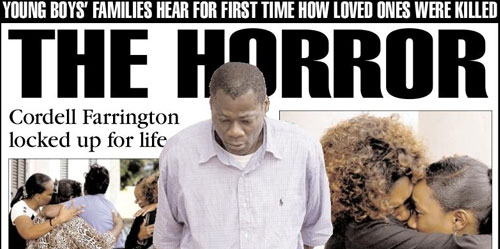
Following jury trials between 2006 and 2008 before the Supreme Court of the Bahamas, Farrington was convicted of murder and sentenced to death by hanging. In 2010, the Court of Appeal overturned the capital sentences, ruling that uncontroverted forensic psychiatric assessments established substantial diminished mental responsibility stemming from severe chronic psychopathology, substituting life imprisonment terms at Fox Hill Prison.