



Forensic & Criminological Matrix
| Parameter | Forensic Detail |
|---|---|
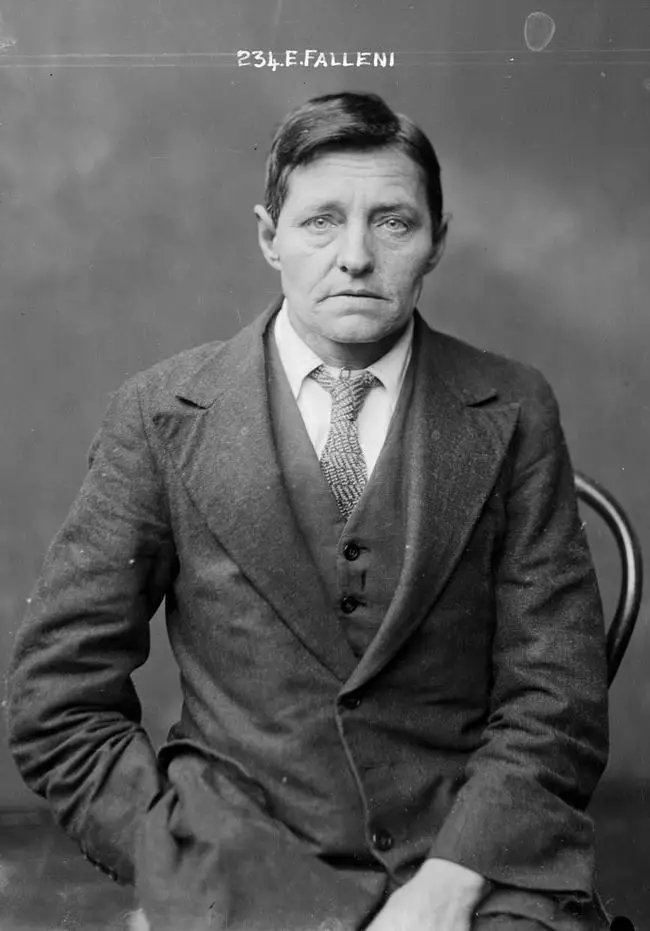
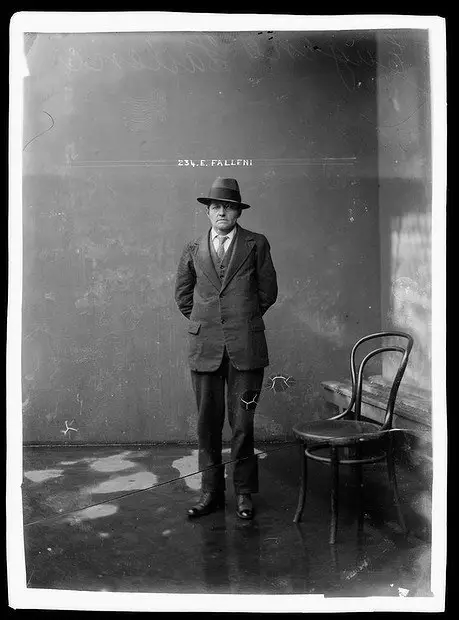
| Forensic Heading / Aliases | Harry Leo Crawford, Jean Ford, The "Man-Woman" Case |
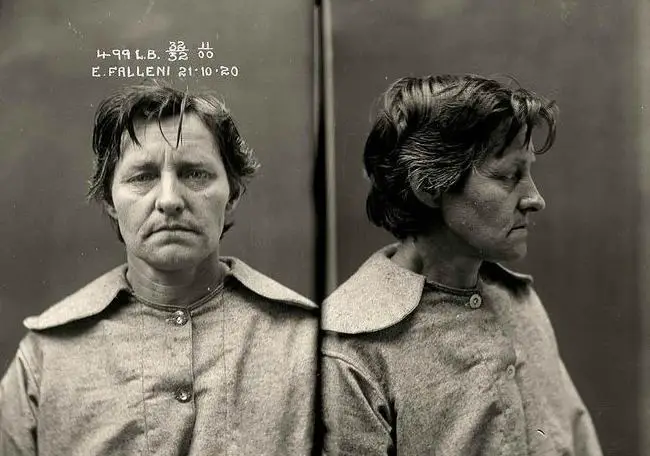
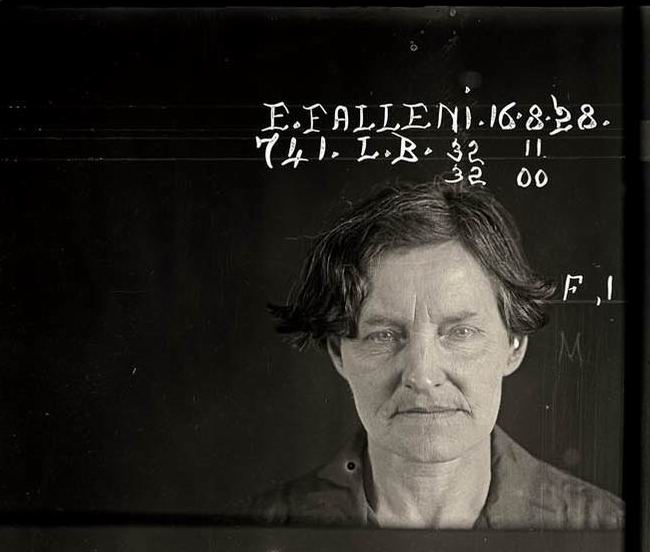
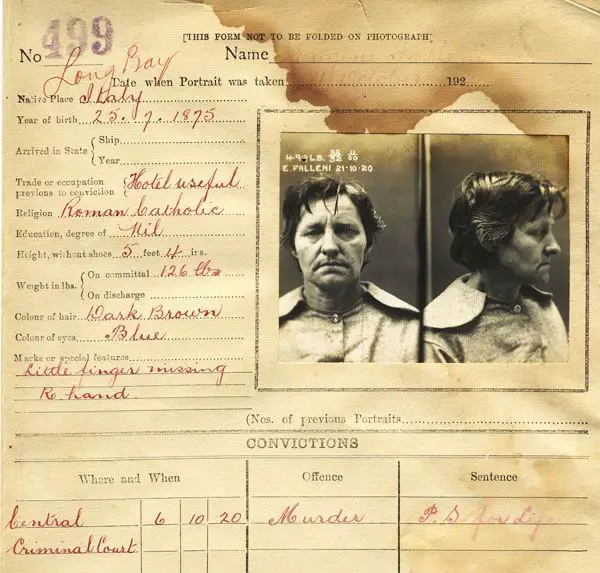
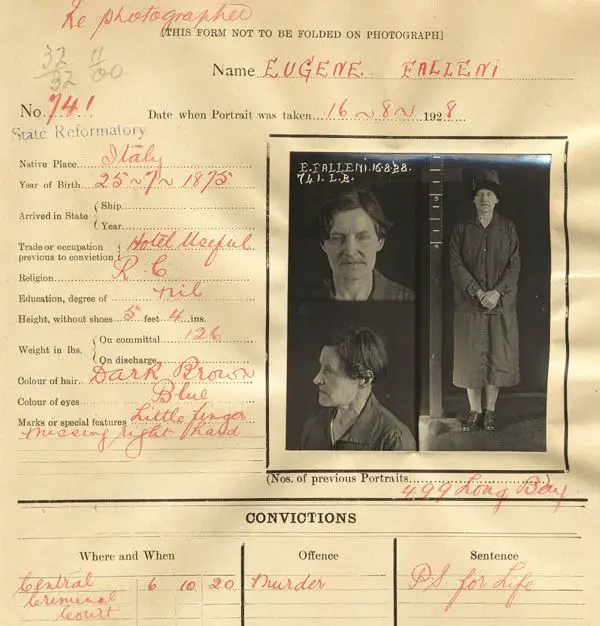
| Legal Identity | Eugenia Falleni |
| Confirmed Victims | 1 (Annie Birkett) |
| Active Timeline | 1917 |
| Jurisdiction / Area of Operations | Chatswood, Sydney, New South Wales, Australia |
| Criminological Classification | Homicide via identity concealment / Gender fraud |
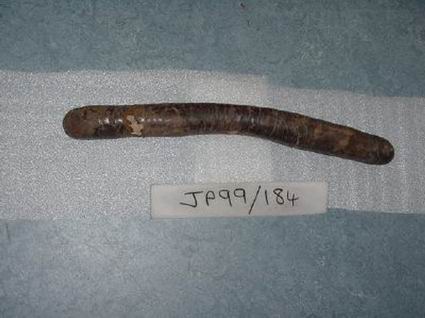
| Forensic Modus Operandi | Blunt force trauma in an isolated wooded area followed by post-mortem incineration using kerosene to obstruct identification |
| Weapon / Mechanism of Death | Blunt force trauma / Incineration |
| Motive / Behavioral Dynamics | Fear of social and legal exposure of female sex assigned at birth and untreated gender dysphoria |
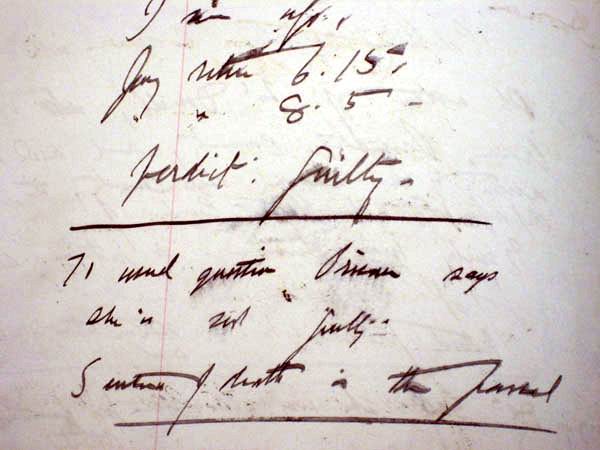
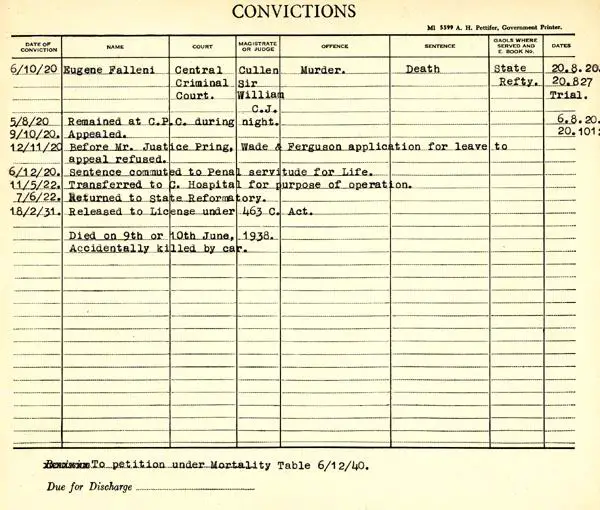
| Judicial Outcome | Sentenced to death in October 1920; commuted to life imprisonment. Released on parole in 1931 |
1. Background and Profile
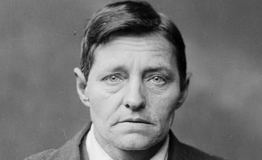
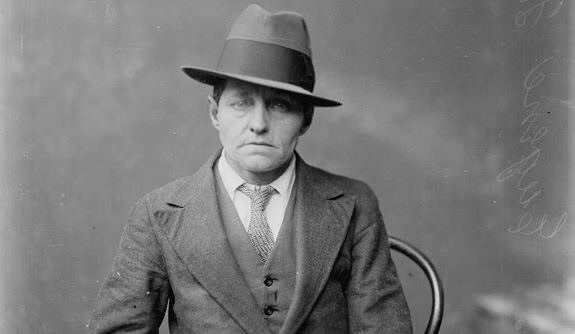
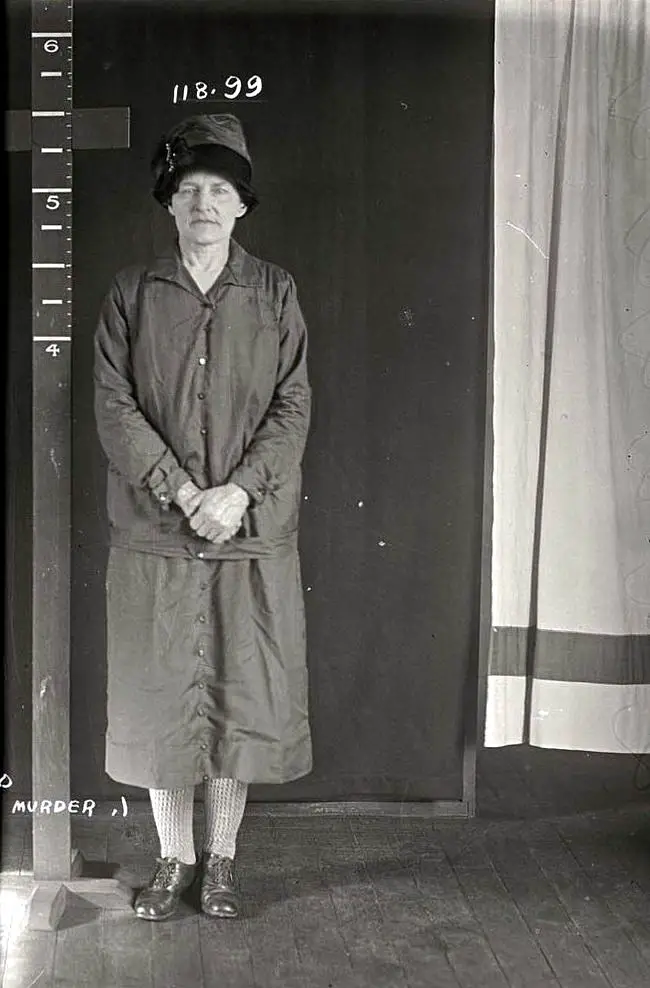
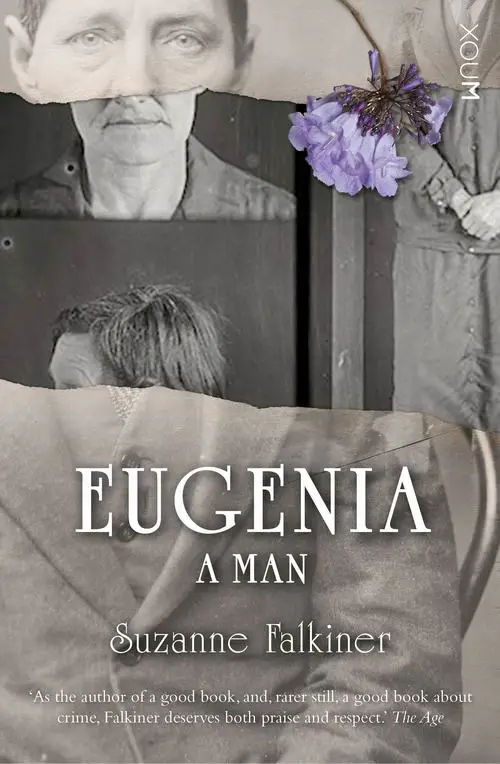
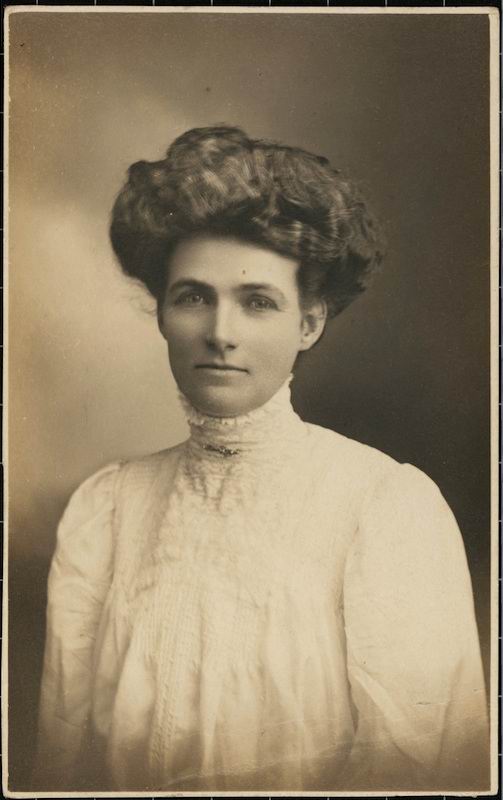
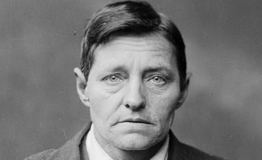
Born in Italy around 1875, Eugenia Falleni emigrated with her family to New Zealand during early childhood. From a young age, Falleni rejected traditional gender roles, donning male attire to secure employment in brickyards and shipyards. In her teens, Falleni worked aboard merchant vessels disguised as a cabin boy. After her biological sex was discovered and she suffered severe abuse, she gave birth to a daughter in Sydney in 1898. From that point onward, Falleni permanently assumed the male identity of Harry Leo Crawford, successfully integrating into Australian society as a cisgender man and eventually entering legal marriages with women.
2. Criminal Career and Modus Operandi
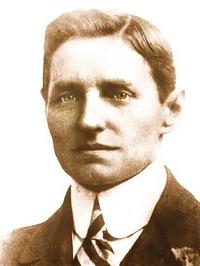
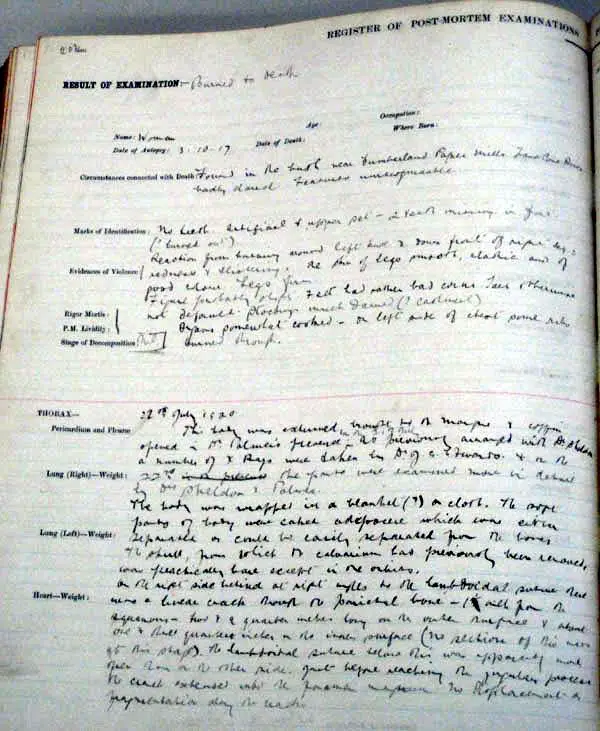
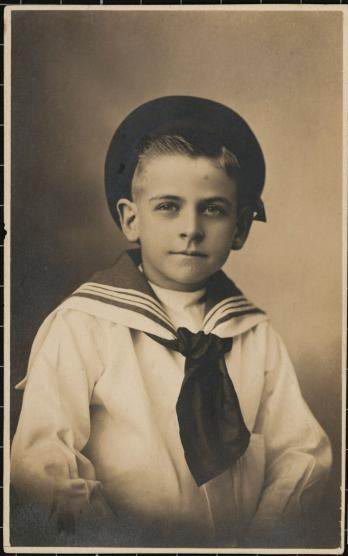
In 1913, under the alias Harry Crawford, Falleni married Annie Birkett, a widow with a young son. The couple lived together in Sydney for several years until 1917, when Birkett discovered that her husband had been assigned female at birth and threatened to expose and leave him. On October 1, 1917, under the pretext of a picnic near the Lane Cove River in Chatswood, Falleni lured Birkett into a secluded wooded area. Following a heated argument regarding the dissolution of the marriage, Birkett was killed through blunt force trauma. To obstruct forensic identification and conceal gender fraud, Falleni doused the body in kerosene and set it on fire.
3. Investigation and Arrest
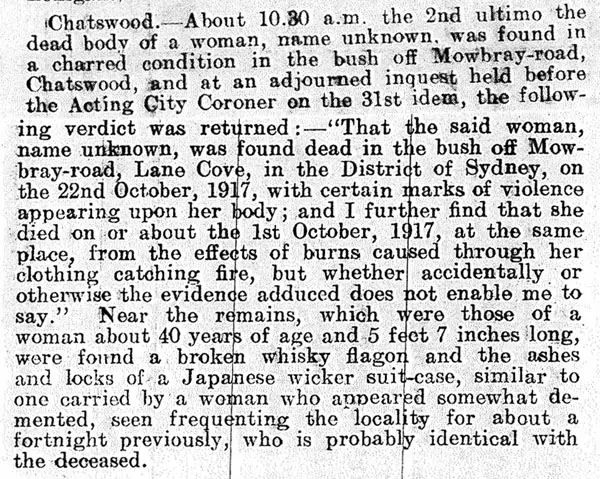
The charred remains were discovered days later in Chatswood. Due to rudimentary forensic evidence collection at the time and Falleni's fabricated alibi claiming his wife had abandoned him, authorities initially misclassified the incident as a possible suicide, returning an open verdict. Falleni maintained total impunity for years, contracting a second marriage in 1919. It was not until mid-1920, when renewed police investigations and witness testimony linked the unidentified remains to Annie Birkett, that suspicion focused squarely on her husband.
4. Legal Proceedings and Outcome
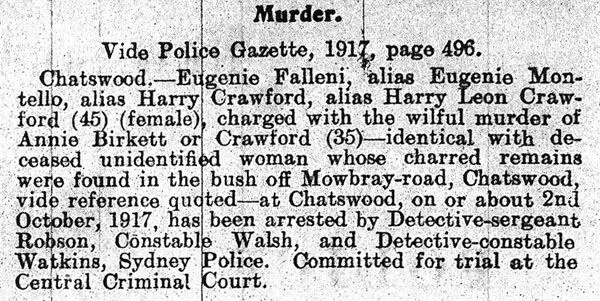
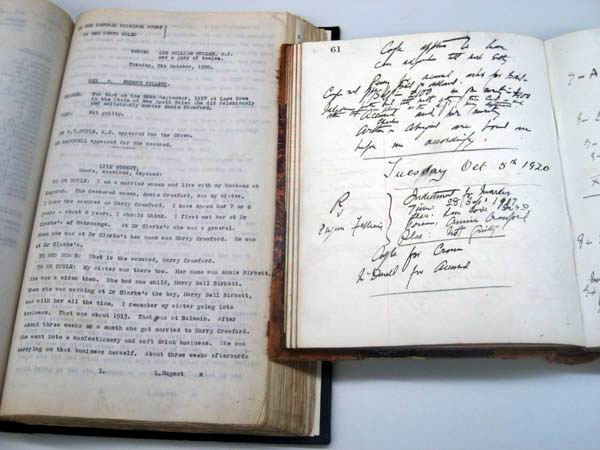
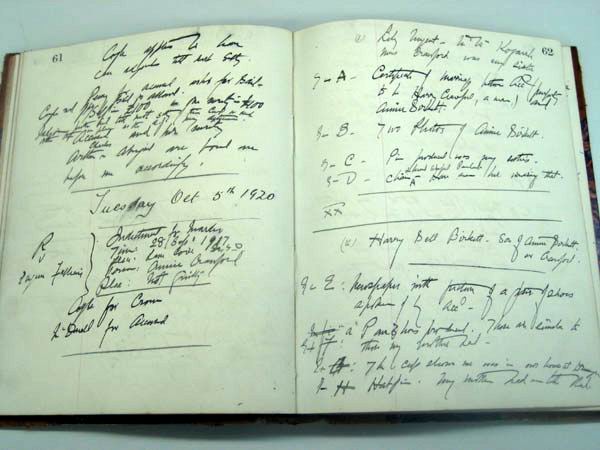
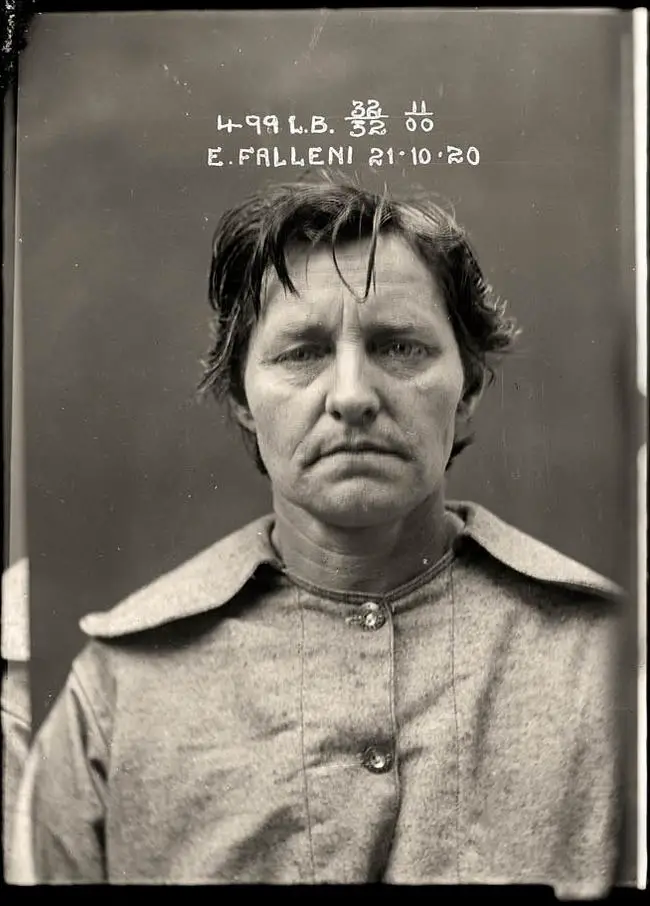
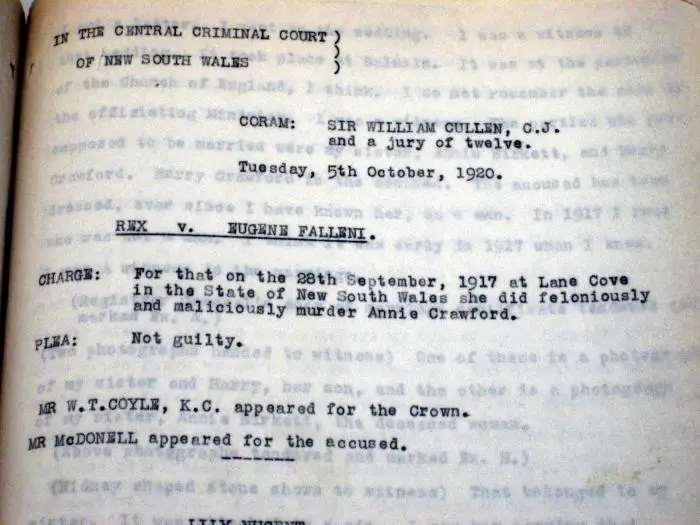
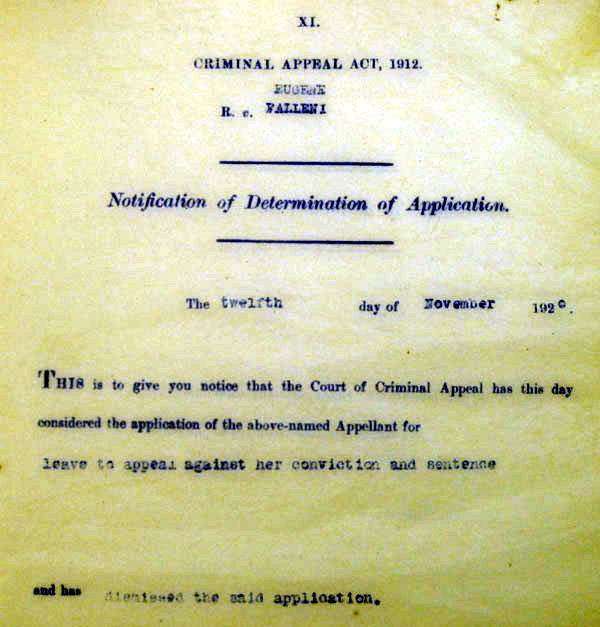
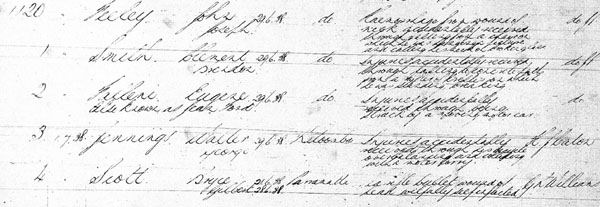
On July 5, 1920, Harry Leo Crawford was arrested for murder. During police custody, Falleni requested placement in the female cells, publicly revealing biological anatomy for the first time. The disclosure triggered a massive media sensation across Australia, dubbed the trial of the "man-woman." At the October 1920 murder trial, the prosecution argued the homicide was a calculated act to protect a fraudulent sexual identity; the defense countered that the death was accidental or committed under psychological distress. Falleni was convicted and sentenced to death, which was subsequently commuted to life imprisonment.
5. Psychiatric Evaluation and Aftermath
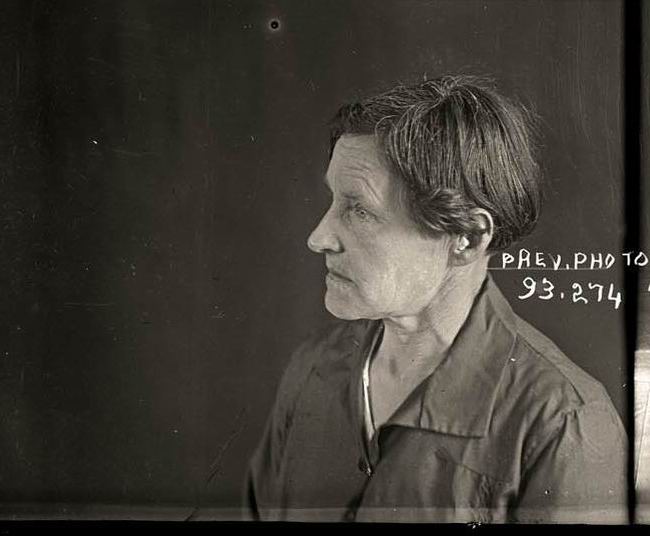
After serving over a decade at Long Bay Prison, Falleni was released in February 1931 under the strict condition of living as a woman under the name Jean Ford. She lived quietly as a boarding house keeper until June 9, 1938, when she was struck by a motor vehicle on Oxford Street, Paddington, dying the following day at Sydney Hospital. Her case remains a profound focal point for criminologists, legal historians, and gender studies scholars examining the intersection of identity concealment and violent crime in early 20th-century Australia.