


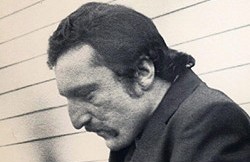
Forensic & Criminological Matrix
| Parameter | Forensic Detail |
|---|---|
| Forensic Heading / Aliases | None |
| Legal Identity | Valery Iosifovich Fabrikant |
| Confirmed Victims | 4 |
| Attributed / Indicted Victims | 4 |
| Active Timeline | August 24, 1992 |
| Jurisdiction / Area of Operations | Montreal, Quebec, Canada |
| Criminological Classification | Mass Murderer |
| Forensic Modus Operandi | Targeted shooting in an academic environment |
| Weapon / Mechanism of Death | .38 caliber pistol |
| Motive / Behavioral Dynamics | Workplace vengeance, paranoid delusions |
| Judicial Outcome | Life imprisonment (First-degree murder conviction) |
1. Background and Profile
Born in Minsk, USSR, in 1940, Valery Fabrikant immigrated to Canada in 1979. He became an associate professor at Concordia University in 1980. His tenure was marked by extreme interpersonal friction, academic disputes, and allegations of harassment. Independent reports (Cowan and Arthurs) later highlighted the university's failure to address his erratic behavior, which escalated over a decade.
2. Crime Spree
On August 24, 1992, Fabrikant entered the Henry F. Hall Building armed with a .38 caliber pistol. He systematically targeted colleagues he blamed for his professional failures. He killed professors Phoivos Ziogas, Matthew Douglass, Michael Hogben, and Jaan Saber, and wounded staff member Elizabeth Horwood. The attack was the culmination of a long-standing grievance regarding academic authorship and tenure.
3. Investigation and Arrest
Fabrikant was arrested on-site after a brief standoff. He had called 911 himself to justify his actions as a response to a conspiracy against him. Forensic evidence and witness testimonies confirmed the premeditated nature of the attack.
4. Legal Proceedings and Outcome
Representing himself in a highly disruptive trial, Fabrikant attempted to frame his actions as self-defense against a corrupt university administration. After multiple psychiatric evaluations confirmed his fitness to stand trial, he was found guilty of first-degree murder and sentenced to life in prison.
5. Psychiatric Assessment and Aftermath
Psychiatrists noted severe personality disorders, though Fabrikant consistently refused treatment. He remains incarcerated at Archambault Institution, continuing to use digital platforms to propagate his claims of being a victim of a massive conspiracy.