Forensic & Criminological Matrix
| Parameter | Forensic Detail |
|---|---|
| Forensic Heading / Aliases | null |
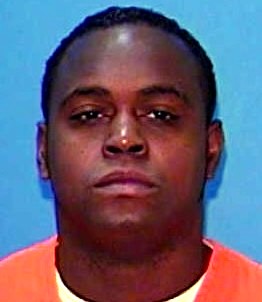
| Legal Identity | Wydell Jody Evans |
| Confirmed Victims | 1 |
| Attributed / Indicted Victims | 1 |
| Active Timeline | 1998 |
| Jurisdiction / Area of Operations | Florida, USA |
| Criminological Classification | Impulsive Homicide |
| Forensic Modus Operandi | Firearm usage in a domestic dispute context |
| Weapon / Mechanism of Death | Firearm |
| Motive / Behavioral Dynamics | Uncontrolled rage / Personal dispute |
| Judicial Outcome | Imprisonment |
1. Background and Profile
Wydell Jody Evans, born in 1970, is an American individual whose criminal record is marked by a lethal act of violence in Florida. There is no significant public record of criminal activity prior to the 1998 incident that led to his incarceration.
2. Criminal Career and Modus Operandi
On October 21, 1998, Evans engaged in an act of extreme violence. Following a verbal confrontation, the subject used a firearm to shoot his brother's girlfriend, resulting in her death. Authorities classified the act as an impulsive outburst, lacking complex planning but executed with lethal intent.
3. Investigation and Arrest
The investigation was handled by Florida law enforcement, who collected ballistic and testimonial evidence linking Evans to the crime scene. Forensic evidence directly connected the weapon used to the perpetrator, facilitating his identification and subsequent arrest.
4. Legal Proceedings and Outcome
Following his arrest, Evans was prosecuted. On November 10, 1998, he was formally indicted, including charges for aggravated assault (Count III, 9 years). The judicial process resulted in a conviction, and he remains in custody within the Florida prison system.
5. Psychiatric Assessment and Conclusion
Evans' behavior during the incident suggests a failure in impulse control under emotional stress. He is currently serving his sentence in the Florida Department of Corrections, having been subject to subsequent judicial reviews, as documented in the Florida Supreme Court opinions SC00-468, SC05-632, and 05-1974.