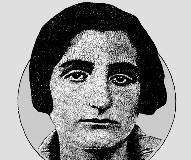
Forensic & Criminological Matrix
| Parameter | Forensic Detail |
|---|---|
| Forensic Heading / Aliases | Ellen Etheridge |
| Legal Identity | Ellen Etheridge |
| Confirmed Victims | 4 |
| Active Timeline | 1913 |
| Jurisdiction / Area of Operations | Bosque County, Texas, USA |
| Criminological Classification | Serial Killer (Poisoner) |
| Forensic Modus Operandi | Administration of toxic substances (arsenic) |
| Weapon / Mechanism of Death | Arsenic and lye |
| Motive / Behavioral Dynamics | Pathological jealousy and resentment |
| Judicial Outcome | Life imprisonment (1913) |
1. Background and Psychopathy
Ellen Etheridge married Texas rancher J.D. Etheridge in 1912. Despite a conventional background, she developed intense resentment toward her husband's eight children from his previous marriage. Her inability to compete for her husband's affection led to a lethal fixation on the children.
2. Crime Spree
In June 1913, Etheridge began her systematic elimination of the children. She utilized arsenic to poison them in pairs. On October 2, 1913, two more children died, which triggered an immediate investigation due to the statistical anomaly of the deaths.
3. Investigation and Arrest
Post-mortem examinations revealed the presence of poison in the victims' systems. Confronted with the forensic evidence, Etheridge confessed to the murders while in police custody.
4. Legal Proceedings and Outcome
Etheridge was convicted on December 23, 1913, and sentenced to life imprisonment. She was also charged with the attempted murder of a fifth child, who escaped and provided critical testimony for the prosecution. She remained in the Texas prison system for decades, becoming a model inmate.