Forensic & Criminological Matrix
| Parameter | Forensic Detail |
|---|---|
| Forensic Heading / Aliases | N/A |
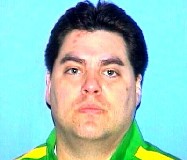
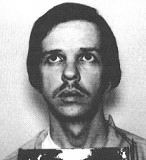
| Legal Identity | Roger Dale Epperson |
| Confirmed Victims | 3 |
| Attributed / Indicted Victims | 3 |
| Active Timeline | 1985 |
| Jurisdiction / Area of Operations | Kentucky, USA |
| Criminological Classification | Multiple murderer |
| Forensic Modus Operandi | Home invasion, strangulation, and stabbing |
| Weapon / Mechanism of Death | Electric cord, knife |
| Motive / Behavioral Dynamics | Financial gain |
| Judicial Outcome | Sentenced to death |
1. Background and Profile
Roger Dale Epperson (born 1947) is an American criminal known for his involvement in a series of violent home invasions in Kentucky in 1985. His criminal career is characterized by instrumental violence used to facilitate large-scale robberies.
2. Criminal Career and Modus Operandi
Epperson, alongside accomplices Benny Lee Hodge and Donald Terry Bartley, engaged in brutal home invasions. On August 8, 1985, they targeted a physician's home in Letcher County, where they strangled the homeowner and stabbed Tammy Acker to death, stealing approximately $1.9 million. He was also convicted for the June 16, 1985, murders of Edwin and Bessie Morris in Gray Hawk, Kentucky.
3. Investigation and Arrest
The investigation relied on witness testimony and forensic evidence collected at the scenes. In 2008, a significant development occurred when DNA testing on a hair found at the Morris crime scene failed to match either Epperson or Hodge, leading to ongoing legal challenges regarding the integrity of the original convictions.
4. Legal Proceedings and Outcome
Epperson was convicted in June 1986 for the murder of Tammy Acker. In November 1996, he received a second death sentence for the Morris murders. The case has been characterized by lengthy post-conviction relief efforts, focusing on claims of ineffective assistance of counsel and the admissibility of forensic evidence.
5. Psychiatric Assessment and Conclusion
Epperson remains on death row in Kentucky. The legal proceedings continue to be a subject of intense scrutiny, particularly regarding the state's obligation to fund defense witnesses in capital cases.