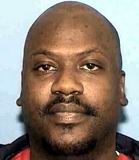






Forensic & Criminological Matrix
| Parameter | Forensic Detail |
|---|---|
| Forensic Heading / Aliases | Faust |
| Legal Identity | Bård Guldvik Eithun |
| Confirmed Victims | 1 |
| Attributed / Indicted Victims | 1 |
| Active Timeline | 1992 |
| Jurisdiction / Area of Operations | Oslo, Norway |
| Criminological Classification | Homicide (Hate crime) |
| Forensic Modus Operandi | Ambush and multiple stabbing |
| Weapon / Mechanism of Death | Bladed weapon (knife) |
| Motive / Behavioral Dynamics | Homophobia and violent gratification |
| Judicial Outcome | 14-year prison sentence (served 9) |
1. Background and Profile
Bård Guldvik Eithun, professionally known as 'Faust', was a central figure in the early 1990s Norwegian black metal scene, serving as the drummer for the band Emperor. Forensic analysis of his background suggests a profound detachment from conventional social norms and a fixation on extreme violence, which he claimed was part of his personal exploration of his own psyche.
2. Crime Spree
On August 21, 1992, in Lillehammer, Eithun encountered Magne Andreassen. After a brief interaction, Eithun lured Andreassen into a wooded area near the Olympic Stadium. Once isolated, Eithun launched a lethal attack, stabbing Andreassen 37 times. The crime was later classified as a hate crime, as Eithun targeted the victim specifically due to his sexual orientation.
3. Investigation and Arrest
While the murder remained unsolved for a period, the subsequent investigation into the broader 'Black Metal' subculture—which involved church arsons and other violent crimes—eventually led authorities to Eithun. His eventual confession provided the necessary forensic link to the crime scene evidence.
4. Legal Proceedings and Outcome
Eithun was tried and convicted for the murder of Magne Andreassen. In 1994, he received a 14-year prison sentence. The court emphasized the brutality of the act and the clear motive of hate as the primary drivers for the sentencing.
5. Psychiatric Evaluation and Aftermath
Eithun served nine years of his sentence and was released on parole in 2003. In later interviews, he has characterized his imprisonment as a period of self-reflection, claiming that his removal from the black metal scene prevented him from continuing on a path of extreme self-destruction.