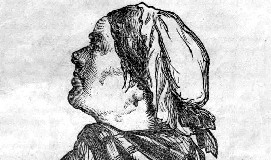



Forensic & Criminological Matrix
| Parameter | Forensic Detail |
|---|---|
| Forensic Heading / Aliases | Bridget Durgan |
| Legal Identity | Bridget Durgan |
| Confirmed Victims | 1 (Mary Ellen Coriel) |
| Active Timeline | February 26, 1867 |
| Jurisdiction / Area of Operations | Newmarket, New Jersey, United States |
| Criminological Classification | Spree / Vengeance-motivated domestic homicide |
| Forensic Modus Operandi | Stabbing, blunt force trauma, and subsequent arson to conceal the crime |
| Weapon / Mechanism of Death | Knife and blunt object / Fire |
| Motive / Behavioral Dynamics | Deep-seated resentment toward employers, social displacement, and domestic ambition |
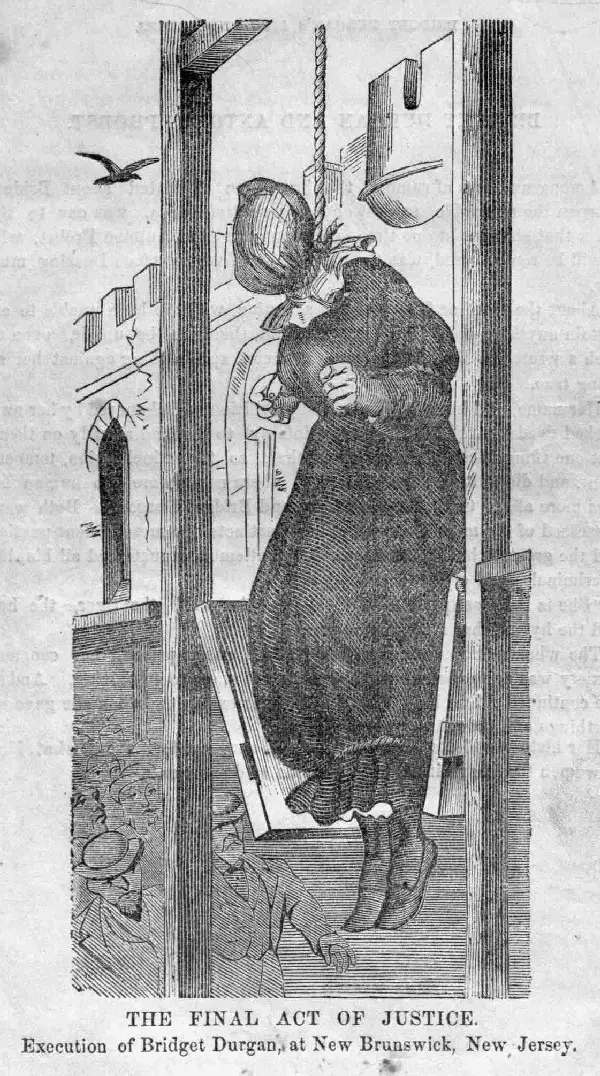
| Judicial Outcome | Sentenced to death by hanging; executed on August 30, 1867, at the New Brunswick jail yard, New Jersey |
1. Background and Psychopathy
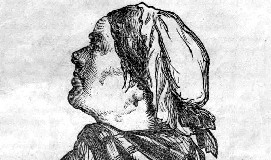
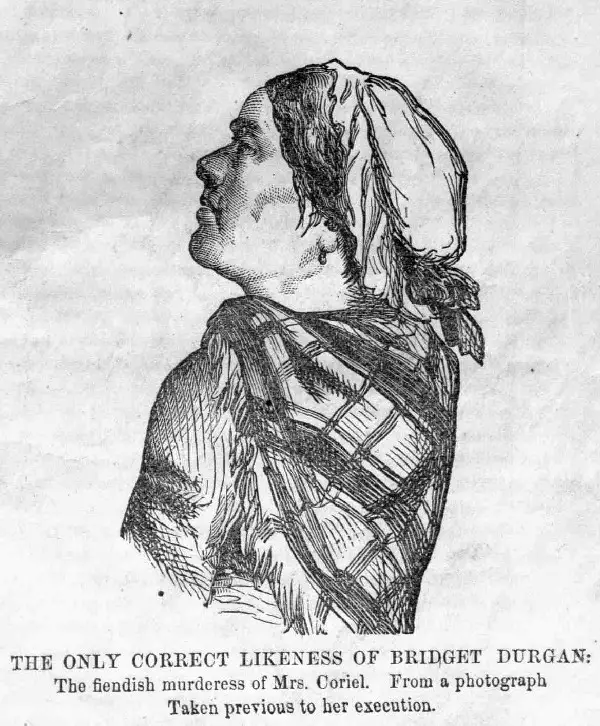
Bridget Durgan was born in Ireland around 1845. Emigrating to the United States after facing social ostracism and abandonment following an unwanted pregnancy by an employer's son in her homeland, she entered domestic service in New York. A series of abusive employment experiences and social rejections fostered an intense, pathological hatred toward her employers and the societal standards of the era.
2. Crime Spree
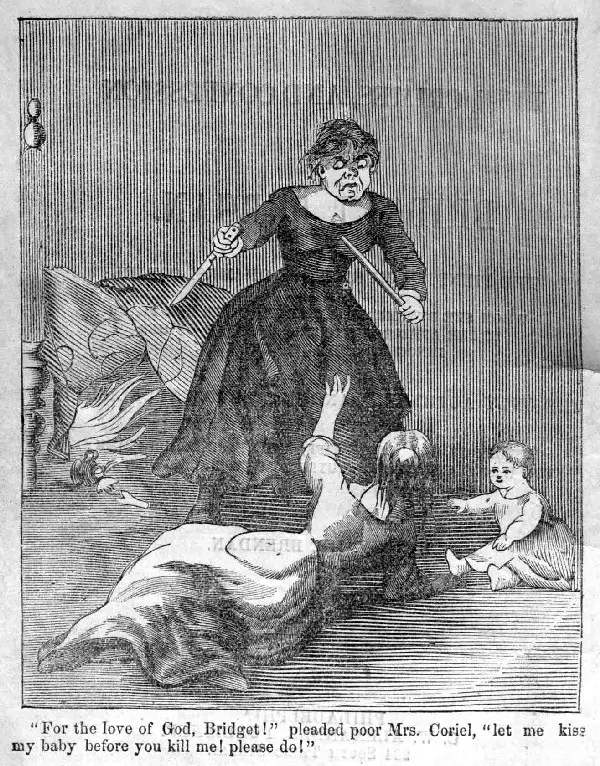
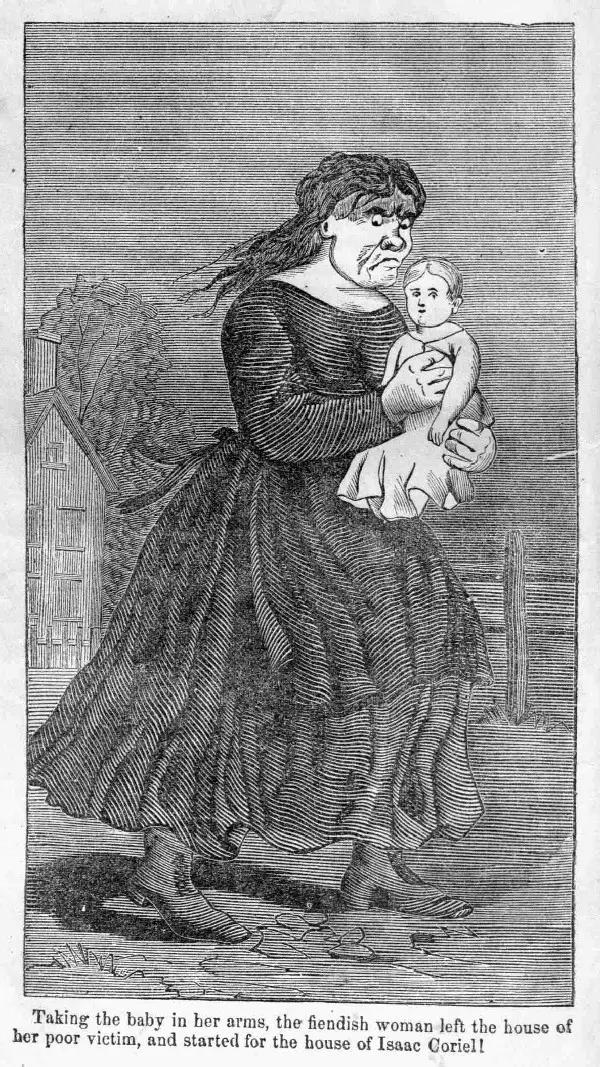
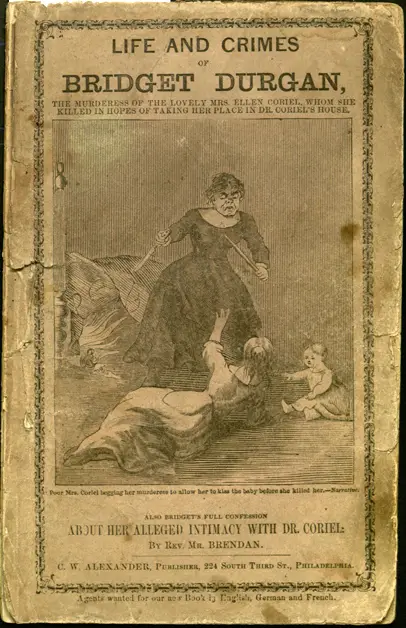
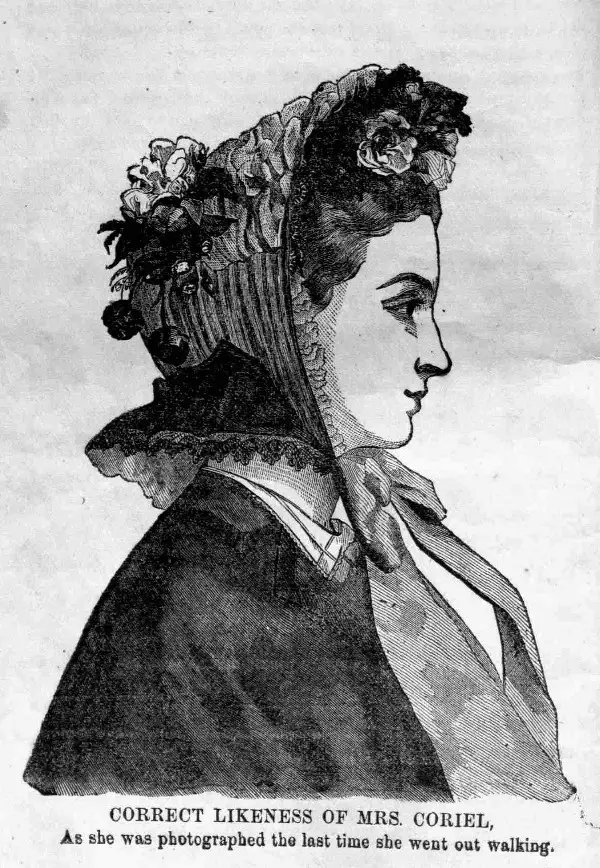
On the night of February 26, 1867, in Newmarket, New Jersey, Durgan executed the premeditated murder of Mary Ellen Coriel, the wife of her employer, Dr. Coriel. Driven by resentment and a desire to take over the household, Durgan stabbed and beat Mrs. Coriel to death. Afterward, she set the house on fire to conceal the murder, fled with the infant to a neighbor's house, and falsely claimed that robbers had attacked the residence.
3. Crime Scene Investigation and Forensic Pursuit
Durgan's fabricated narrative rapidly unraveled. Investigators noted the complete absence of forced entry into the home and identified clear indicators that the fire had been deliberately set from within. Her erratic demeanor and inconsistent statements at the neighbor's home focused suspicion entirely upon her as the primary suspect.
4. Arrest and Judicial Proceedings
Bridget Durgan was arrested on the very day of the murder, February 26, 1867. The prosecution established a robust circumstantial and forensic case linking her directly to the homicide. A jury convicted her of murder, and the presiding judge sentenced her to death by hanging. Throughout her imprisonment, she maintained a defiant posture, seemingly convinced that nineteenth-century judicial leniency toward female defendants would spare her life.
5. Psychological Evaluation and Outcome
Durgan's execution challenged prevailing nineteenth-century notions regarding female passivity and morality. Refusing to show remorse, she dictated a confession prior to her death detailing her grievances. She was executed by hanging on August 30, 1867, in the jail yard of New Brunswick, New Jersey, leaving behind a legacy as one of America's most notable historical female domestic murderers.