



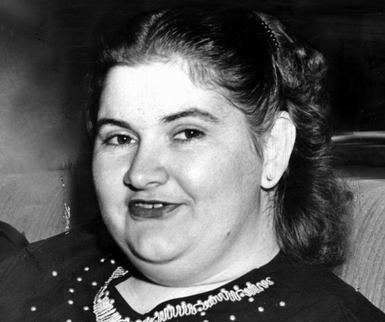
Forensic & Criminological Matrix
| Parameter | Forensic Detail |
|---|---|
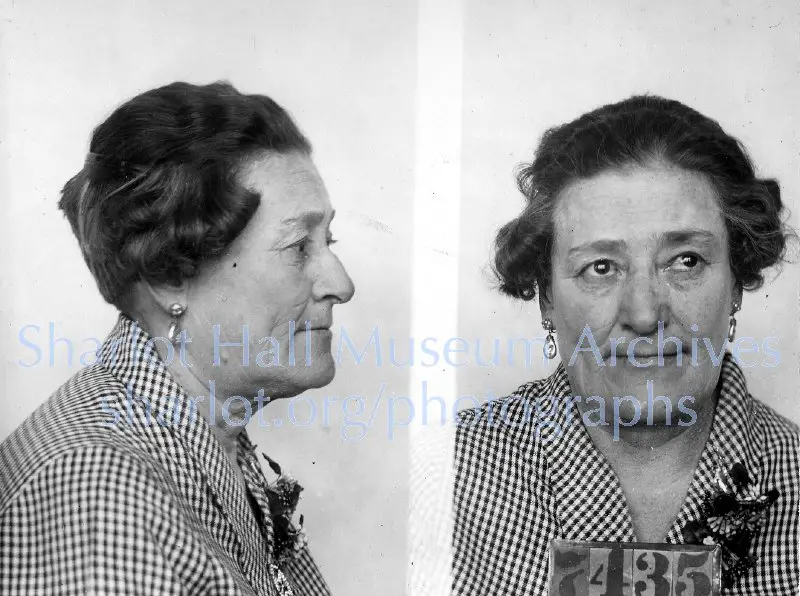
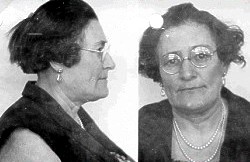
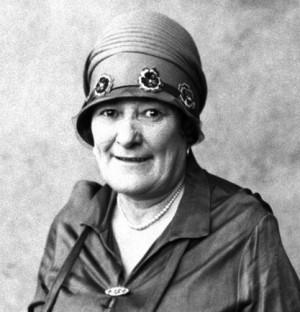
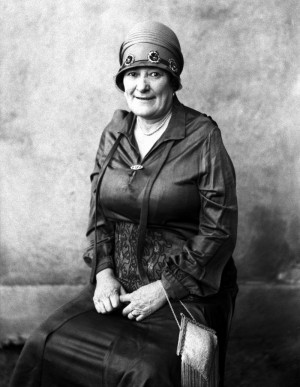
| Forensic Heading / Aliases | Cheerful Eva |
| Legal Identity | Eva Dugan |
| Confirmed Victims | 1 (Andrew J. Mathis) |
| Active Timeline | January 1927 |
| Jurisdiction / Area of Operations | Pima County, Arizona, United States |
| Criminological Classification | Profit-driven homicide offender / Opportunistic murderer |
| Forensic Modus Operandi | Blunt force trauma via axe attack, clandestine shallow burial, and fraudulent appropriation of victim's assets |
| Weapon / Mechanism of Death | Axe |
| Motive / Behavioral Dynamics | Financial gain / Material acquisition (vehicle and property theft) |
| Judicial Outcome | Convicted of first-degree murder and executed by hanging on February 21, 1930 |
1. Background and Psychopathy
Born in 1878, Eva Dugan led a transient life that took her north during her youth to participate in the Klondike Gold Rush in Alaska, where she worked as a cabaret singer. Over the years, she accumulated a marital history comprising five husbands, all of whom vanished under mysterious circumstances—a recurring pattern that later cast a retrospective shadow over her behavioral profile. Relocating to the American Southwest, she eventually settled in Arizona, supporting herself through casual employment.
2. Crime Spree
In early January 1927, Dugan was employed as a housekeeper by Andrew J. Mathis, an elderly chicken rancher residing in Pima County, Arizona. Within a couple of weeks, her employment was abruptly terminated under unclear circumstances. Shortly thereafter, Mathis disappeared along with his cash box, personal belongings, and Dodge Coupe automobile. Prior to vanishing from the area, Dugan attempted to liquidate several of the rancher's possessions among local neighbors.
3. Investigation and Forensic Pursuit
Pima County Sheriff Jim McDonald launched an extensive investigation into Mathis's disappearance. The nationwide manhunt intensified when authorities discovered that Dugan had sold the victim's Dodge Coupe in Kansas City for $600 while falsely posing as Mrs. Andrew Mathis and claiming she needed funds for her husband's surgery. Law enforcement successfully traced her to White Plains, New York, where she was employed at a hospital, after postal authorities intercepted a postcard addressed to her father in California. She was extradited back to Arizona in March 1927.
4. Arrest and Judicial Proceedings
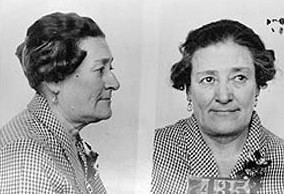
Initially prosecuted and convicted of auto theft, Dugan was incarcerated while investigators continued probing the rancher's disappearance. Nine months later, a tourist camping on the Mathis property accidentally uncovered a shallow grave while driving a tent stake into the ground. The decomposing remains were positively identified as those of Andrew J. Mathis, bearing evidence of severe trauma. Charged with first-degree murder, Dugan stood trial under a heavy weight of circumstantial evidence, lacking direct eyewitnesses or forensic fingerprint matches. Despite maintaining her innocence and exhausting two years of legal appeals supported by local advocates, she was sentenced to death by hanging.
5. Psychiatric Assessment and Aftermath
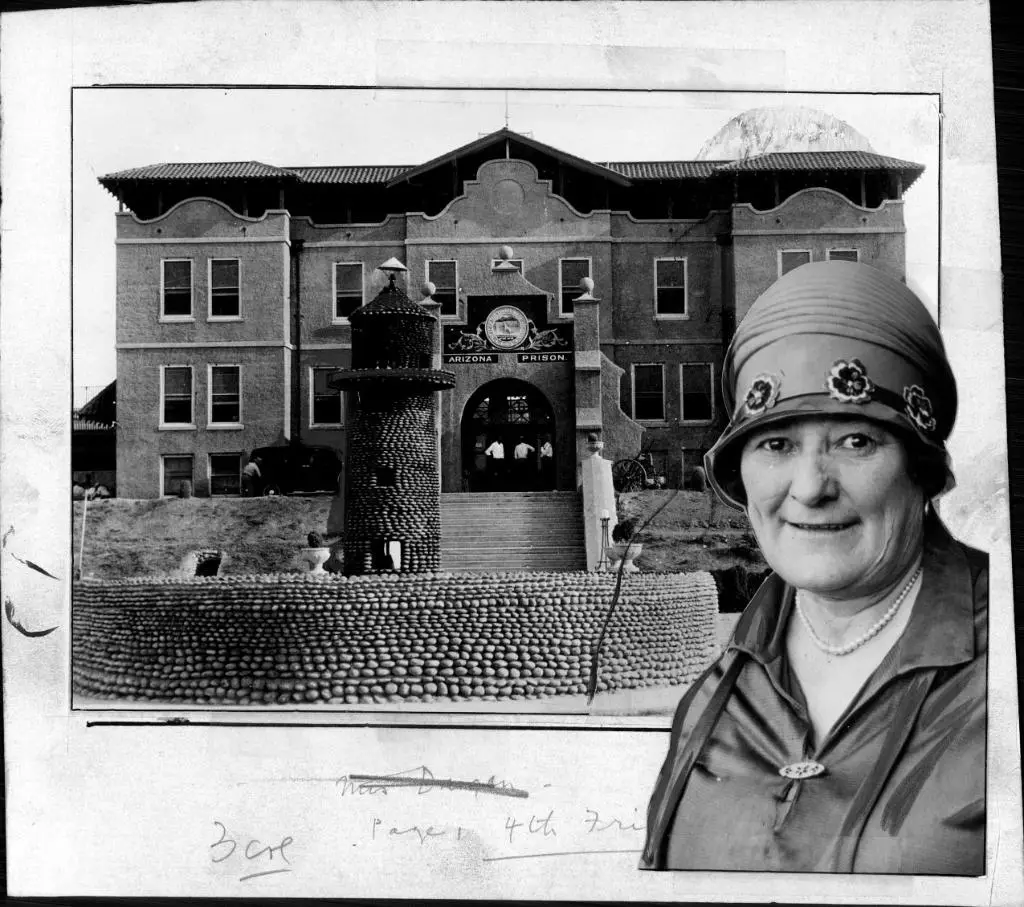
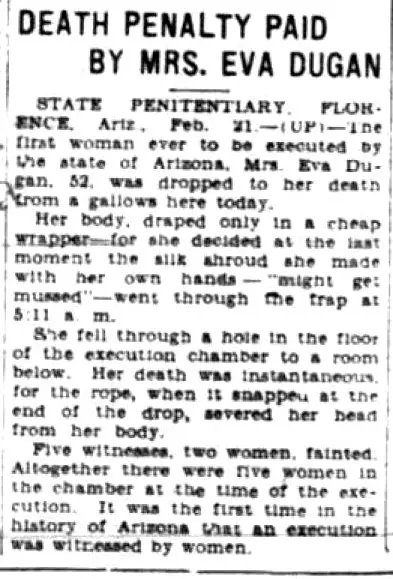
Throughout her time on death row, Dugan maintained remarkable composure, earning the moniker "Cheerful Eva" from the press. She sold embroidered handkerchiefs to pay for her own coffin and engaged openly with journalists. On February 21, 1930, following the denial of executive clemency and sanity appeals, she was led to the gallows at the Arizona State Prison in Florence. During the execution, the force of the drop resulted in her accidental decapitation, a gruesome spectacle witnessed by reporters and officials. This horrific mechanical failure profoundly shocked the public and lawmakers, leading Arizona to replace the gallows with the lethal gas chamber in 1934, cementing Dugan's legacy as the only woman executed by hanging in the state's history.