Forensic & Criminological Matrix
| Parameter | Forensic Detail |
|---|---|
| Forensic Heading / Aliases | Thomas Dudley |
| Legal Identity | Thomas Dudley |
| Confirmed Victims | 1 |
| Attributed / Indicted Victims | 1 |
| Active Timeline | 1884 |
| Jurisdiction / Area of Operations | South Atlantic Ocean |
| Criminological Classification | Homicide by necessity |
| Forensic Modus Operandi | Jugular incision with a penknife |
| Weapon / Mechanism of Death | Penknife |
| Motive / Behavioral Dynamics | Extreme survival |
| Judicial Outcome | Death sentence, commuted to 6 months imprisonment |
1. Background and Profile
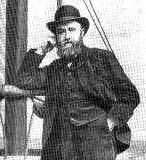
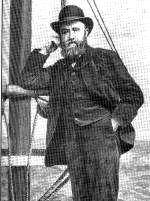
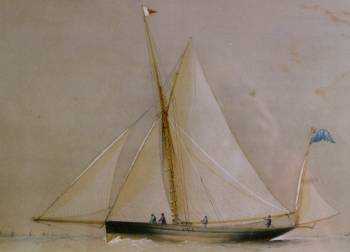
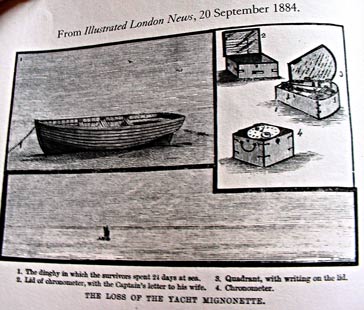
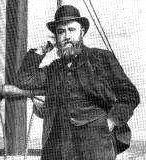
Thomas Dudley was a professional British sea captain. In 1884, he was tasked with sailing the yacht Mignonette from Southampton to Australia. His career was defined by his role in the infamous survival case that followed the sinking of his vessel.
2. Crime Spree
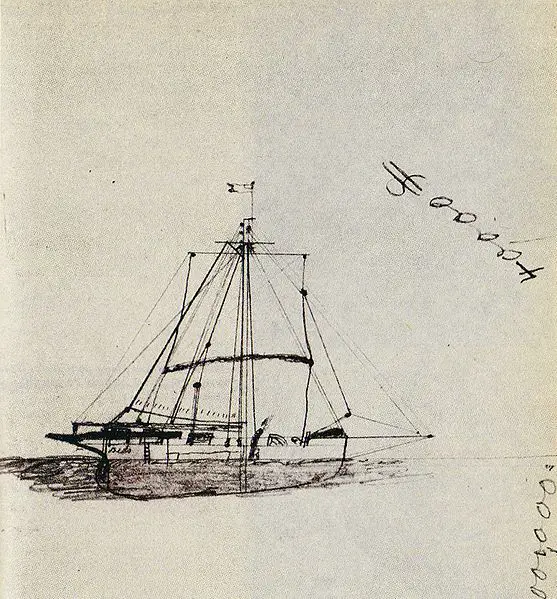
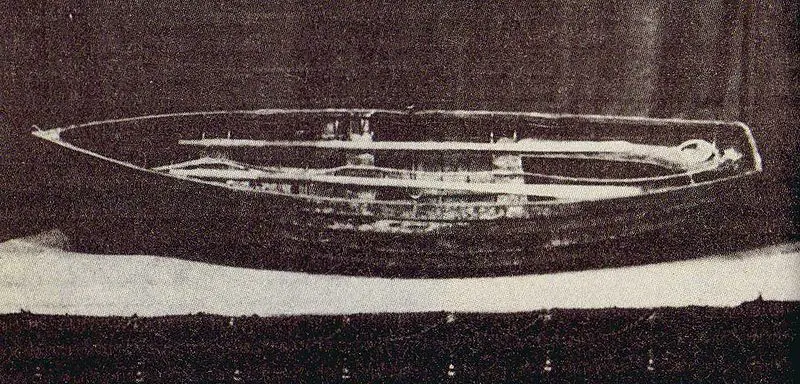
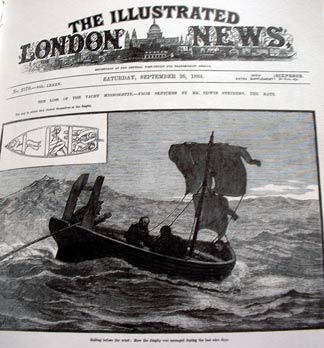
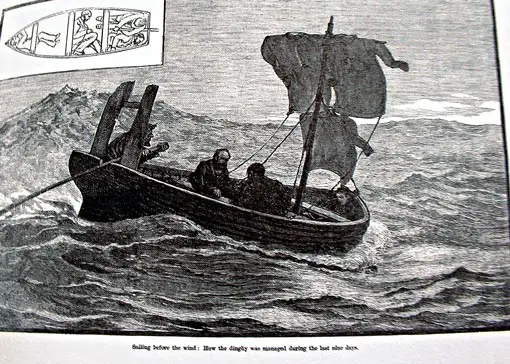
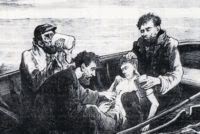
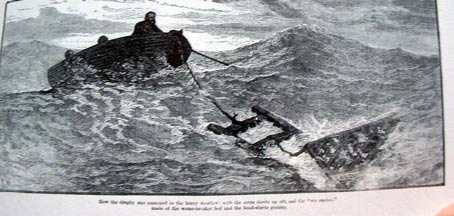
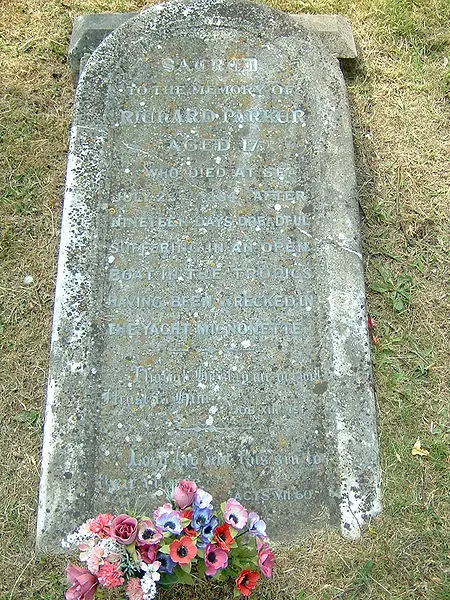
Following the sinking of the Mignonette on July 5, 1884, Dudley and three crew members were stranded in a lifeboat. After weeks of starvation, Dudley and Stephens killed the cabin boy, Richard Parker, to survive. Dudley used a penknife to cut Parker's jugular vein on July 25, 1884.
3. Investigation and Arrest
Upon their rescue by the German barque Moctezuma, the men were taken to Falmouth. Dudley's candid admission of the killing to the authorities led to their arrest, as he mistakenly believed the 'Custom of the Sea' provided a legal defense for their actions.
4. Legal Proceedings and Outcome
The Queen v. Dudley and Stephens (1884) established the precedent that necessity is not a defense to a charge of murder. The court rejected the plea, sentencing the men to death, which was later commuted to a six-month prison term by the Crown.
5. Psychiatric Evaluation and Conclusion
No psychiatric disorders were noted. The case remains a seminal study in legal ethics and the limits of the necessity defense in common law.