



Forensic & Criminological Matrix
| Parameter | Forensic Detail |
|---|---|
| Forensic Heading / Aliases | None |
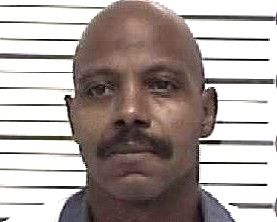
| Legal Identity | Wilbur Wiley Dobbs |
| Confirmed Victims | 1 |
| Attributed / Indicted Victims | 1 |
| Active Timeline | 1973 |
| Jurisdiction / Area of Operations | Walker County, Georgia, USA |
| Criminological Classification | Robber and Homicide Offender |
| Forensic Modus Operandi | Use of sawed-off shotgun, intimidation, and execution |
| Weapon / Mechanism of Death | Sawed-off shotgun |
| Motive / Behavioral Dynamics | Economic / Instrumental |
| Judicial Outcome | Death sentence (reviewed) |
1. Background and Profile
Wilbur Wiley Dobbs was an American offender whose criminal career reached its peak with a lethal robbery in Georgia. His profile is that of an opportunistic criminal who escalated his violence to lethal levels during the commission of property crimes.
2. Crime Spree
On December 14, 1973, Dobbs, accompanied by accomplices Walter Lee Harris and Charles Burke, targeted a grocery store and gas station owned by Roy L. Sizemore. Dobbs utilized a sawed-off shotgun to subdue the victims. After robbing Sizemore, Dobbs struck him with the shotgun butt and, despite the victim's pleas, fired a fatal shot into his abdomen. He also brutally assaulted Grace Foster, inflicting severe head injuries.
3. Investigation and Arrest
Law enforcement quickly identified the suspects through witness testimony and physical evidence. The getaway vehicle, a 1967 blue Chevrolet, was instrumental in the investigation. The testimony of survivor William Austin was critical in establishing Dobbs as the primary shooter.
4. Legal Proceedings and Outcome
Dobbs was arrested shortly after the crime. He was tried in the Walker County Superior Court in May 1974. He was convicted on all counts, including murder, armed robbery, and aggravated assault. He was sentenced to death for the murder, alongside prison terms for the other charges. The case became a landmark in Georgia for its challenges to the constitutionality of the death penalty.
5. Psychiatric Assessment and Final Outcome
Throughout his long incarceration, Dobbs remained vocal about his opposition to the death penalty, claiming it was applied unfairly against the poor. Judicial disposition: Resentenced to life without parole in December 2016 and died in custody on March 6, 2026.