



Forensic & Criminological Matrix
| Parameter | Forensic Detail |
|---|---|
| Forensic Heading / Aliases | Richard Kenneth Djerf |
| Legal Identity | Richard Kenneth Djerf |
| Confirmed Victims | 4 |
| Attributed / Indicted Victims | 4 |
| Active Timeline | September 14, 1993 |
| Jurisdiction / Area of Operations | Phoenix, Arizona, USA |
| Criminological Classification | Mass Murderer / Revenge-driven homicide |
| Forensic Modus Operandi | Intrusion, restraint, sexual assault, execution via firearm and blunt force, arson attempt |
| Weapon / Mechanism of Death | Firearm, knife, baseball bat, gasoline |
| Motive / Behavioral Dynamics | Personal revenge for an alleged burglary |
| Judicial Outcome | Death sentence (1996), executed October 17, 2025 |
1. Background and Profile
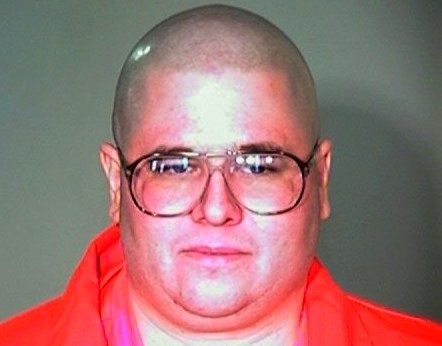
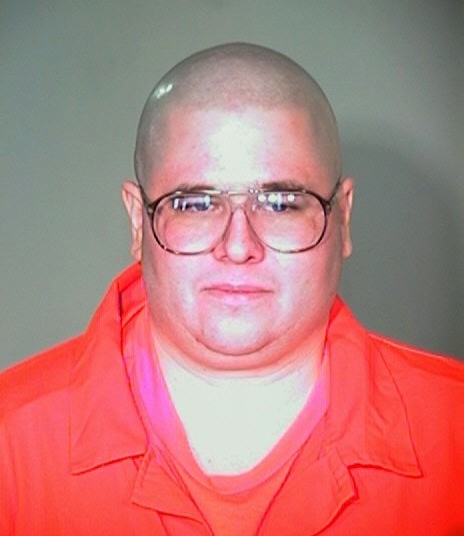
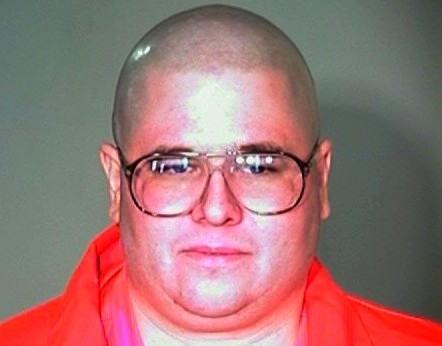
Richard Kenneth Djerf (born 1969) was an American offender responsible for the mass murder of the Luna family. Despite his claims of having a normal childhood and no history of mental illness, his actions demonstrated a high level of premeditation and cold-blooded execution. His motive was rooted in a deep-seated resentment toward Albert Luna Jr., whom he accused of burglarizing his home.
2. Criminal Career and Modus Operandi
On September 14, 1993, Djerf engaged in a seven-hour violent spree. He forced his way into the Luna residence, binding Patricia Luna and her 5-year-old son, Damien. Upon the arrival of 17-year-old Rochelle Luna, he sexually assaulted and murdered her. Albert Luna Sr. was later handcuffed and beaten with a baseball bat. When Luna Sr. regained consciousness and attempted to fight back, Djerf shot him, followed by the execution of Patricia and Damien. He attempted to destroy the evidence by setting the house on fire.
3. Investigation and Arrest
Law enforcement quickly identified Djerf as the perpetrator. The forensic evidence, including the physical restraints and the failed arson attempt, provided a clear link to the suspect. Djerf's own admissions during the legal proceedings solidified the prosecution's case.
4. Legal Proceedings and Outcome
The legal case was significant for Djerf's insistence on self-representation, which he used to enter a guilty plea and bypass a jury trial. He was sentenced to death in 1996. His case became a landmark in Arizona capital punishment law, specifically regarding the role of judges versus juries in sentencing. After years of appeals, Djerf was executed on October 17, 2025.