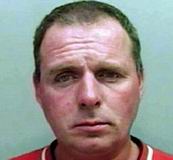
Forensic & Criminological Matrix
| Parameter | Forensic Detail |
|---|---|
| Forensic Heading / Aliases | N/A |
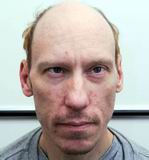
| Legal Identity | Mark Philip Dixie |
| Confirmed Victims | 1 |
| Attributed / Indicted Victims | 1 |
| Active Timeline | 1986-2006 |
| Jurisdiction / Area of Operations | United Kingdom, Australia |
| Criminological Classification | Sexual Murderer / Serial Predator |
| Forensic Modus Operandi | Stabbing, rape, and robbery |
| Weapon / Mechanism of Death | Knife (bladed weapon) |
| Motive / Behavioral Dynamics | Sadistic sexual impulses |
| Judicial Outcome | Life imprisonment (34-year minimum) |
1. Background and Profile
Mark Philip Dixie was born on September 24, 1970, in Streatham, London. His early life was characterized by family instability; his parents separated when he was 18 months old, and he later adopted his stepfather's surname, McDonald. His criminal record began in 1986, featuring a progression of offenses including robbery, burglary, and indecent assault. His behavioral history indicates a chronic pattern of substance abuse and sexual deviancy.
2. Crime Spree
On September 25, 2005, Dixie murdered 18-year-old Sally Anne Bowman in South Croydon. The victim was stabbed in the neck and stomach before being raped. Dixie stole her personal items, including her handbag and mobile phone. Forensic evidence later linked him to a 1998 sexual assault in Subiaco, Western Australia, where he had similarly attacked a woman during a burglary.
3. Investigation and Arrest
Police initially suspected the victim's boyfriend, Lewis Sproston, but he was cleared by DNA evidence. Dixie remained unidentified until June 2006, when he was arrested for a public order offense in Crawley. A DNA sample taken during his arrest matched the evidence found at the Bowman crime scene, leading to his indictment.
4. Legal Proceedings and Outcome
At his trial at the Old Bailey, Dixie claimed he had discovered the victim's body and engaged in necrophilic acts, a defense rejected by the jury. On February 22, 2008, he was found guilty of murder and sentenced to life imprisonment with a minimum term of 34 years. The case highlighted the critical importance of national DNA databases in solving cold cases.