



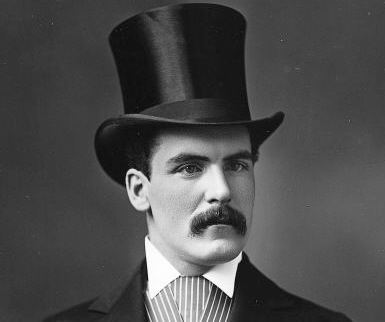
Forensic & Criminological Matrix
| Parameter | Forensic Detail |
|---|---|
| Forensic Heading / Aliases | None |
| Legal Identity | John Alexander Dickman |
| Confirmed Victims | 1 |
| Attributed / Indicted Victims | 3 |
| Active Timeline | 1908-1910 |
| Jurisdiction / Area of Operations | Newcastle, Sunderland, Kent (UK) |
| Criminological Classification | Predatory murderer / Train robber |
| Forensic Modus Operandi | Execution by firearm in public transport |
| Weapon / Mechanism of Death | Firearm (pistol) |
| Motive / Behavioral Dynamics | Financial gain (gambling debts) |
| Judicial Outcome | Death sentence by hanging |
1. Background and Profile
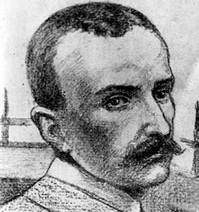
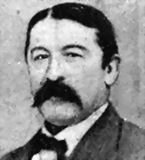
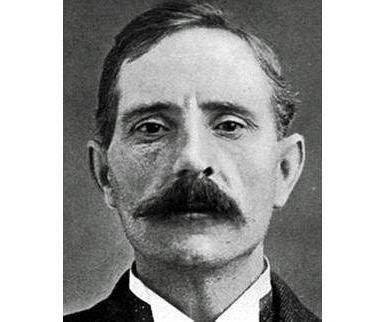
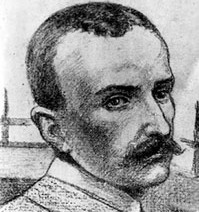
John Alexander Dickman (1864–1910) was a British professional gambler whose life was defined by financial instability. His criminological profile indicates a progression toward violent crime driven by economic desperation. He was linked to the 1910 murder of John Innes Nisbet and suspected of involvement in the unsolved deaths of Caroline Mary Luard (1908) and Hermann Cohen (1909).
2. Crime Spree
On March 18, 1910, John Innes Nisbet, a 44-year-old wages clerk, was shot dead on a train traveling from Newcastle to Morpeth. The perpetrator stole a satchel containing nearly 400 pounds. Dickman was identified as the man seen traveling with the victim. His modus operandi involved targeting individuals carrying large sums of money, utilizing a firearm to ensure a swift, lethal outcome in confined spaces.
3. Investigation and Arrest
Police investigation led to a search of Dickman's residence, where blood-stained trousers and gold sovereigns were discovered. Despite defense claims that the gunshot wounds suggested two shooters, the prosecution maintained a single-perpetrator theory. Identification by witnesses during a parade was the primary evidence, though it was later criticized for its potential inaccuracy.
4. Legal Proceedings and Outcome
Dickman was tried on July 4, 1910, at Newcastle Assizes before Lord Coleridge. He was found guilty and sentenced to death. The conviction sparked public outcry, with critics citing incompetent legal defense and weak circumstantial evidence. Despite campaigns for a reprieve, the sentence was carried out.
5. Forensic Conclusion
John Alexander Dickman was hanged at Newcastle Prison on August 10, 1910, by executioners John Ellis and William Willis. The case remains a subject of historical debate, with some modern analyses suggesting the possibility of a miscarriage of justice or the involvement of other unidentified parties.