



Forensic & Criminological Matrix
| Parameter | Forensic Detail |
|---|---|
| Forensic Heading / Aliases | None |
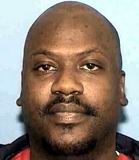
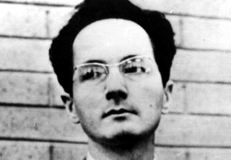
| Legal Identity | Geza De Kaplany |
| Confirmed Victims | 1 |
| Attributed / Indicted Victims | 1 |
| Active Timeline | August 28, 1962 |
| Jurisdiction / Area of Operations | San Jose, California, USA |
| Criminological Classification | Passionate murderer / Torturer |
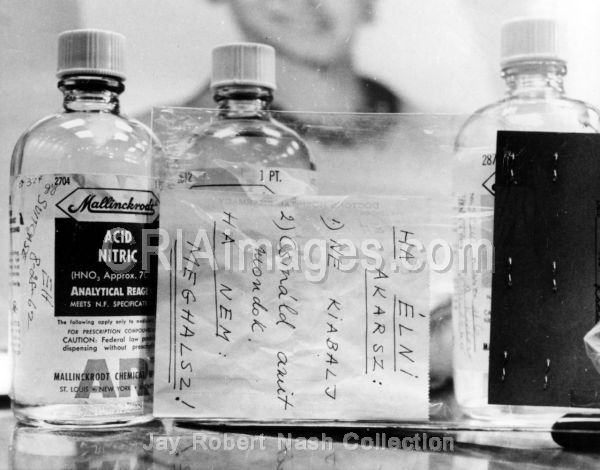
| Forensic Modus Operandi | Chemical torture using sulfuric and nitric acids |
| Weapon / Mechanism of Death | Corrosive acids and knife |
| Motive / Behavioral Dynamics | Paranoia, jealousy, personality disorder |
| Judicial Outcome | Life imprisonment (1963), paroled (1975) |
1. Background and Profile
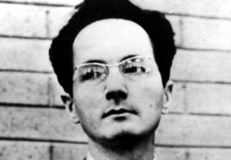
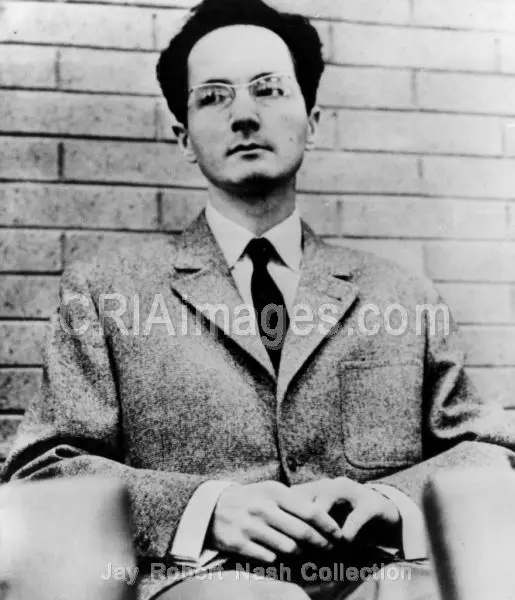
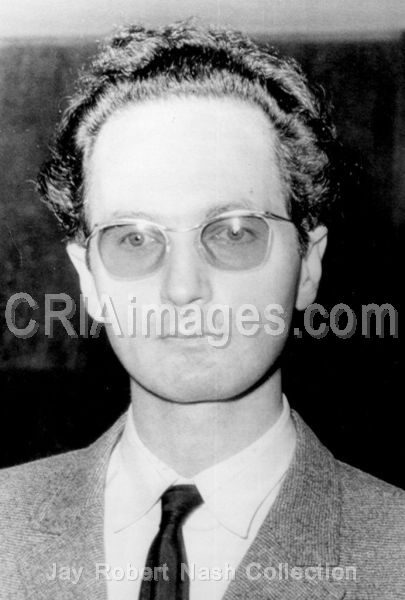
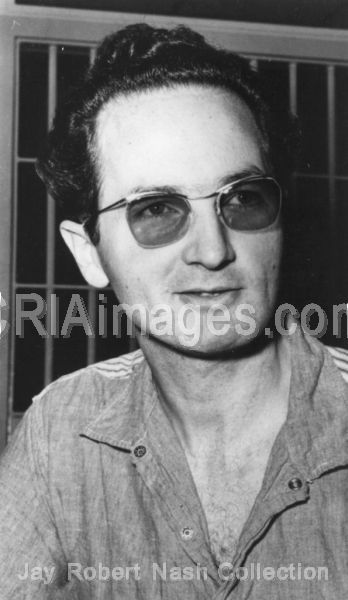
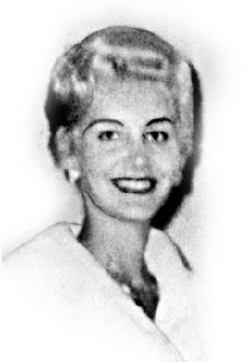
Geza De Kaplany was a Hungarian-born anesthesiologist with an impressive medical background, having studied at Yale and Harvard. Despite his professional success, he suffered from severe psychological instability, including paranoia and deep-seated emotional issues. In 1962, he was living in California with his wife of five weeks, Hajna De Kaplany.
2. Criminal Career and Modus Operandi
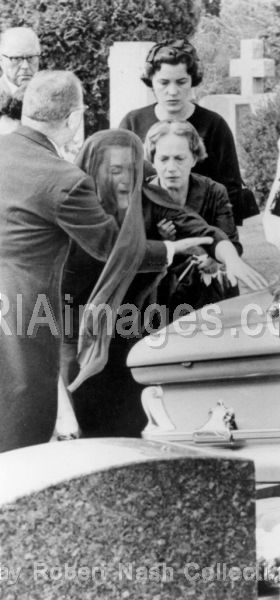
On the night of August 28, 1962, De Kaplany committed a horrific act of torture against his wife at their apartment. He bound her to a bed and doused her with sulfuric and nitric acids, while also using a knife to mutilate her. The victim suffered third-degree burns over 60% of her body and severe genital mutilation, dying after 33 days of intense suffering.
3. Investigation and Arrest
Police arrived at the scene after neighbors reported screams and loud music. De Kaplany admitted to the crime, claiming his wife had been unfaithful and that he wanted to destroy her beauty. The use of acid as a primary weapon of torture remains one of the most notorious cases in California history.
4. Legal Proceedings and Outcome
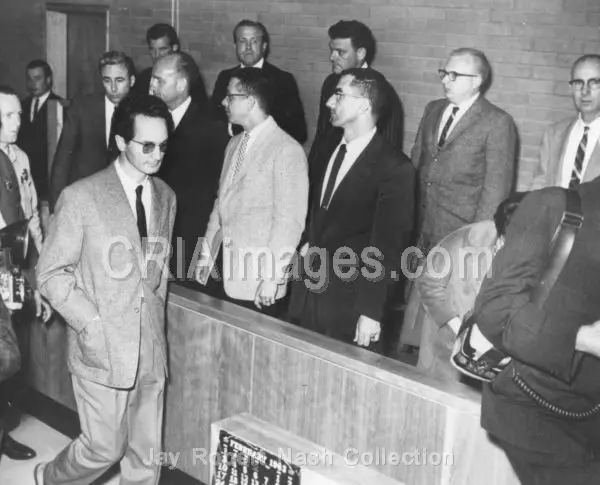
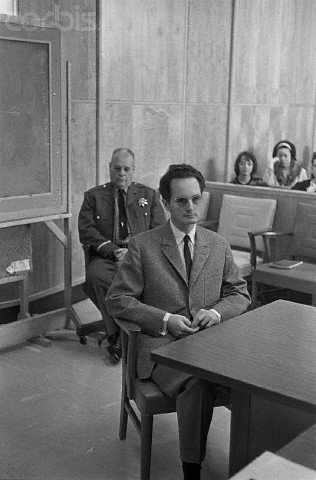
The 1963 trial was a sensation. The defense pleaded not guilty by reason of insanity, claiming the existence of an alter ego, "Pierre de la Roche." He was convicted of first-degree murder. Because "life without parole" was not a sentencing option in California at the time, he was sentenced to life imprisonment with the possibility of parole.
5. Psychiatric Evaluation and Aftermath
De Kaplany was granted parole in 1975 after serving less than 12 years. He subsequently moved to Taiwan and later to Germany, where he became a naturalized citizen, effectively avoiding further legal consequences in the United States. He was located by journalists in 2002, living in Germany.