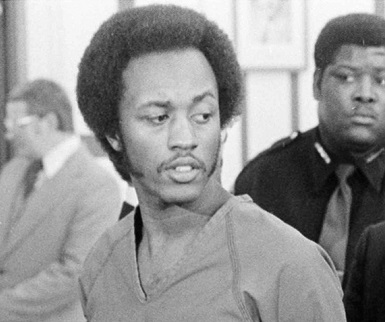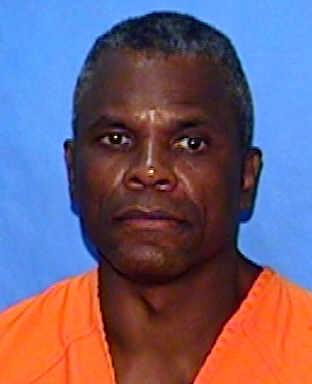





Forensic & Criminological Matrix
| Parameter | Forensic Detail |
|---|---|
| Forensic Heading / Aliases | The .22 Caliber Killer |
| Legal Identity | Girvies L. Davis |
| Confirmed Victims | 4 |
| Attributed / Indicted Victims | 4 |
| Active Timeline | 1978-1979 |
| Jurisdiction / Area of Operations | Illinois, United States |
| Criminological Classification | Serial Killer |
| Forensic Modus Operandi | Home invasions targeting the elderly with .22 caliber firearms |
| Weapon / Mechanism of Death | .22 caliber handgun |
| Motive / Behavioral Dynamics | Financial gain and witness elimination |
| Judicial Outcome | Executed by lethal injection on May 17, 1995 |
1. Background and Profile
Born into extreme poverty in East St. Louis, Girvies L. Davis grew up in a household plagued by alcoholism and criminal influence. He dropped out of school in the fourth grade and remained functionally illiterate for most of his life. Medical evaluations noted brain damage from a childhood accident and borderline intellectual functioning.
2. Crime Spree
Davis and his accomplice, Richard 'Ricky' Holman, terrorized the elderly in Illinois. Their modus operandi involved breaking into homes to commit robberies, followed by the execution of the victims to prevent identification. Davis famously remarked that killing witnesses was easier than wearing masks.
3. Investigation and Arrest
Davis was arrested following an unrelated robbery. Police obtained confessions to multiple murders, which Davis later claimed were coerced under threat of death during late-night police transport. His inability to read at the time of signing these confessions became a central point of contention in his appeals.
4. Legal Proceedings and Outcome
His trial was criticized for the exclusion of Black jurors and the lack of physical evidence linking him to the crimes. Despite his later efforts to prove his innocence and his personal rehabilitation on death row—where he became an ordained minister—his appeals were exhausted.
5. Forensic Psychiatric and Final Outcome
Davis was executed by the State of Illinois on May 17, 1995. His case remains a significant study in the debate over the death penalty, particularly regarding the treatment of defendants with cognitive impairments and the reliability of coerced confessions.