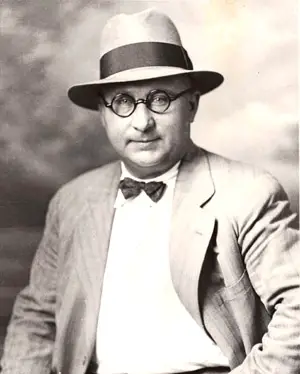
Forensic & Criminological Matrix
| Parameter | Forensic Detail |
|---|---|
| Forensic Heading / Aliases | George J. Davies |
| Legal Identity | George J. Davies |
| Confirmed Victims | 2 |
| Attributed / Indicted Victims | 2 |
| Active Timeline | 1959 |
| Jurisdiction / Area of Operations | Waterbury, Connecticut, USA |
| Criminological Classification | Serial sexual murderer |
| Forensic Modus Operandi | Kidnapping, sexual assault, and homicide |
| Weapon / Mechanism of Death | Strangulation / Asphyxiation |
| Motive / Behavioral Dynamics | Sexual predation |
| Judicial Outcome | Executed |
1. Background and Profile
George J. Davies was a paroled sex offender whose criminal history indicated a high risk of recidivism. His behavioral profile was characterized by impulsive sexual aggression and a lack of remorse.
2. Crime Spree
Davies targeted young women in the Waterbury area. His crimes were marked by a consistent pattern of abduction followed by sexual violence and murder. The disappearance of 16-year-old Gaetane Boivin on May 9, 1959, served as the primary case that led to his apprehension.
3. Investigation and Arrest
Following the discovery of Gaetane Boivin's body twelve days after her abduction, local law enforcement intensified their efforts. Davies was identified as a suspect due to his prior criminal record and proximity to the events.
4. Legal Proceedings and Outcome
Upon his arrest, Davies provided an immediate confession to two murders. This confession was pivotal in the judicial proceedings, leading to a swift conviction and the imposition of the death penalty.
5. Forensic Conclusion
George J. Davies was executed in 1959. His case remains a documented example of the failure of parole systems in managing high-risk sexual offenders during that era.