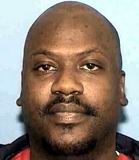
Forensic & Criminological Matrix
| Parameter | Forensic Detail |
|---|---|
| Forensic Heading / Aliases | The Phantom of the Opera |
| Legal Identity | Craig S. Crimmins |
| Confirmed Victims | 1 |
| Attributed / Indicted Victims | 1 |
| Active Timeline | July 23, 1980 |
| Jurisdiction / Area of Operations | Metropolitan Opera House, New York |
| Criminological Classification | Opportunistic offender |
| Forensic Modus Operandi | Physical assault and homicide via precipitation |
| Weapon / Mechanism of Death | Blunt force trauma and fall from height |
| Motive / Behavioral Dynamics | Attempted sexual assault |
| Judicial Outcome | Sentenced to 20 years to life; released on parole |
1. Background and Profile
Craig S. Crimmins (born 1959) was employed as a stagehand at the Metropolitan Opera House. Forensic evaluations during his trial revealed significant verbal learning disabilities, short attention span, and high suggestibility, which became central points in his defense strategy.
2. Criminal Career and Modus Operandi
On July 23, 1980, during a performance of the Berlin Ballet, Crimmins encountered violinist Helen Hagnes Muntiks in the backstage corridors. Under the influence of alcohol and drugs, he attempted to sexually assault her. When she resisted, he beat her and forced her into a ventilation shaft, causing her death.
3. Investigation and Arrest
The murder caused a media sensation, leading the press to dub the unknown killer "The Phantom of the Opera." Detectives eventually focused on theater staff, leading to Crimmins's arrest and subsequent confession, which his defense later argued was coerced by investigators.
4. Legal Proceedings and Outcome
In 1981, Crimmins was convicted of murder and attempted rape. He was sentenced to 20 years to life. He remained incarcerated for decades, with multiple parole hearings denied due to the heinous nature of the crime and his continued behavioral issues within the correctional system. He was eventually released on parole.