



Forensic & Criminological Matrix
| Parameter | Forensic Detail |
|---|---|
| Forensic Heading / Aliases | Rachel Capra |
| Legal Identity | Rachel Capra Craig |
| Confirmed Victims | 1 (Chelsea Craig, 14-year-old daughter) |
| Active Timeline | March 19, 2001 |
| Jurisdiction / Area of Operations | Pointe-Claire, Quebec, Canada |
| Criminological Classification | Parricide / Poisoner driven by paranoid delusional disorder and severe caregiving strain |
| Forensic Modus Operandi | Administration of a lethal prescription drug cocktail to the victim followed by an attempted suicide by the perpetrator |
| Weapon / Mechanism of Death | Prescription drug intoxication |
| Motive / Behavioral Dynamics | Paranoid delusional disorder, severe depression, and extreme psychological stress associated with severe disability care |
| Judicial Outcome | Found not criminally responsible due to mental disorder on February 20, 2002; committed suicide while on unmonitored psychiatric leave in July 2002 |
1. Background and Psychopathy
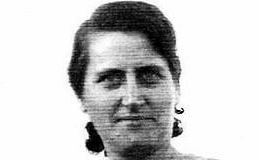
Rachel Capra Craig was a Canadian homemaker residing in Pointe-Claire, Quebec. She was the primary caregiver for her 14-year-old daughter, Chelsea, who suffered from severe Rett syndrome—a neurological disorder that left her entirely dependent, unable to speak, walk, or care for herself. Accumulated caregiver fatigue, historical vulnerability, and underlying psychiatric vulnerabilities predisposed Rachel to severe clinical depression and the eventual onset of a paranoid delusional disorder.
2. Crime Spree
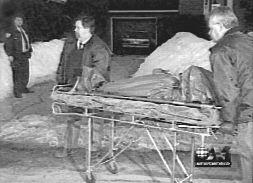
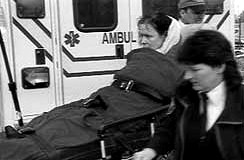
On March 19, 2001, following a routine afternoon neighborhood walk with her daughter, Rachel prepared a lethal prescription drug mixture. She administered the substance to Chelsea, who died in her bed, and subsequently ingested a dose herself in a suicide attempt. Her husband discovered the tragedy upon returning home from work later that afternoon.
3. Investigation Police and Forensic Hunt
Local authorities quickly secured the crime scene and recovered a suicide note written by Rachel detailing instructions for her savings and insurance funds. Forensic investigations immediately probed Rachel's assertions regarding alleged sexual abuse by the father; however, autopsies and expert psychological evaluations confirmed that these accusations were entirely unfounded and stemmed from her paranoid delusions.
4. Arrest and Judicial Proceedings
Following her recovery from the self-administered overdose, Rachel was charged with first-degree murder. The legal proceedings rapidly transitioned into a psychiatric inquiry. On February 20, 2002, Quebec Superior Court Justice Fraser Martin officially ruled that Rachel Capra Craig was not criminally responsible for her daughter's death by reason of a mental disorder, mandating her psychiatric confinement.
5. Psychiatric Evaluation and Outcome
Forensic psychiatrists testified that Rachel's actions were driven by a severe psychotic state, characterized by delusions that she needed to protect her daughter, coupled with a despairing fear of leaving the disabled child behind. Although initially placed in a psychiatric facility for treatment, Rachel was granted temporary unsupervised outings. On July 8, 2002, during one such leave, she successfully committed suicide, bringing a tragic end to the case.