


Forensic & Criminological Matrix
| Parameter | Forensic Detail |
|---|---|
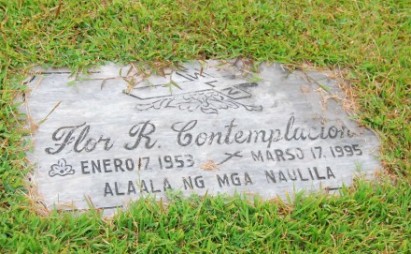
| Forensic Heading / Aliases | Flor Contemplacion |
| Legal Identity | Flor R. Contemplacion |
| Confirmed Victims | Delia Maga and Nicholas Huang (3 years old) |
| Active Timeline | May 4, 1991 |
| Jurisdiction / Area of Operations | Singapore |
| Criminological Classification | Homicidal domestic worker |
| Forensic Modus Operandi | Strangulation and immersion asphyxiation (drowning) |
| Weapon / Mechanism of Death | Physical force / Manual |
| Motive / Behavioral Dynamics | Disputed initial confession of murder / Interpersonal and workplace conflict |
| Judicial Outcome | Sentenced to death by hanging. Executed on March 17, 1995, at Changi Prison. |
1. Background and Psychopathy
Flor R. Contemplacion was born in January 1953 in the Philippines. She worked as an overseas domestic worker in Singapore, part of a vast diaspora of Filipino laborers seeking better economic prospects abroad. Her trial and execution transformed her personal narrative into a defining international criminological and geopolitical focal point regarding migrant labor conditions.
2. Crime Spree
On May 4, 1991, Delia Maga, another Filipina domestic worker in Singapore, was found strangled to death in a residential apartment. In the same premises, the body of four-year-old Nicholas Huang—the son of Maga's employers—was discovered drowned in a bathtub. Police investigation utilized entries from Maga's personal diary to identify Flor Contemplacion as a person of interest. Upon interrogation, Contemplacion confessed to the murders of both Maga and the child.
3. Police Investigation and Forensic Hunt
Singaporean law enforcement relied heavily on Contemplacion's initial confession. Although allegations arose later claiming the confession was extracted under duress or that the defendant suffered from diminished mental capacity, investigative reviews found insufficient legal basis to invalidate the confession. During her pre-trial incarceration, she was visited multiple times by Philippine embassy officials without registering formal complaints of coercion during those interactions.
4. Arrest and Judicial Process
Contemplacion was prosecuted, found guilty, and sentenced to death by hanging under Singaporean law. As the execution date approached in March 1995, intense diplomatic friction emerged. Philippine President Fidel Ramos made personal appeals for a stay of execution based on late testimony from fellow inmates alleging that the child had accidentally drowned during an epileptic fit and that the father had committed the murders in a rage before framing Contemplacion. Singaporean authorities thoroughly examined and dismissed these claims as fabricated.
5. Psychiatric Assessment and Outcome
Despite high-level diplomatic intervention and widespread public outrage in the Philippines, the government of Singapore proceeded with the execution. Contemplacion was hanged at dawn on March 17, 1995, at Changi Prison. The event triggered a severe diplomatic rift between Singapore and Manila, serving as a watershed moment for the analysis of migrant worker vulnerabilities, consular protection, and capital punishment in international jurisprudence.