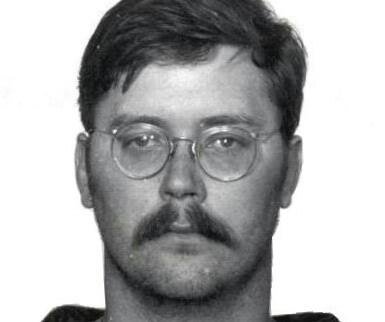
Forensic & Criminological Matrix
| Parameter | Forensic Detail |
|---|---|
| Forensic Heading / Aliases | The Tamiami Trail Strangler |
| Legal Identity | Rory Enrique Conde |
| Confirmed Victims | 6 |
| Attributed / Indicted Victims | 6 |
| Active Timeline | 1994-1995 |
| Jurisdiction / Area of Operations | Miami, Florida, USA |
| Criminological Classification | Serial Killer |
| Forensic Modus Operandi | Strangulation following sexual contact |
| Weapon / Mechanism of Death | Manual strangulation / ligature |
| Motive / Behavioral Dynamics | Sexual predation |
| Judicial Outcome | Life imprisonment |
1. Background and Profile
Rory Enrique Conde, born in 1965, was an American serial killer who terrorized the Miami area in the mid-1990s. He targeted vulnerable individuals, specifically sex workers, demonstrating a clear pattern of predatory behavior.
2. Criminal Career and Modus Operandi
Conde's modus operandi involved picking up sex workers, engaging in sexual acts, and subsequently murdering them via strangulation. He disposed of the victims' bodies in remote areas along the Tamiami Trail.
3. Investigation and Arrest
Law enforcement agencies in Miami linked the series of murders through forensic evidence and witness testimony. Conde was apprehended in 1995 following an intensive investigation into the string of disappearances.
4. Legal Proceedings and Outcome
Conde was indicted on six counts of first-degree murder. In 2000, he was sentenced to death for the murder of one victim, but in 2001, he received life sentences for the remaining five counts, effectively removing him from society.
5. Forensic Conclusion
Conde remains incarcerated. His case highlights the extreme risks faced by marginalized populations and the importance of forensic linkage in serial murder investigations.