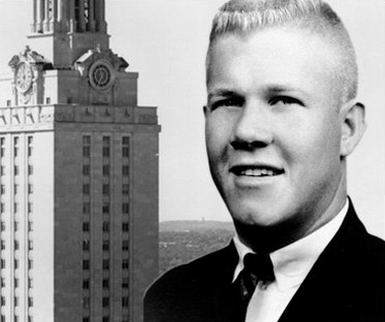





Charles Whitman: «The Texas Tower Sniper», the Austin Massacre, and the Glioblastoma Neuroforensic Enigma
Executive Summary
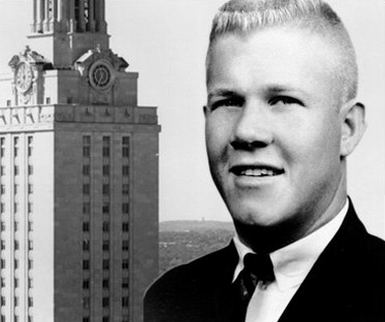
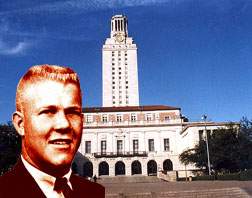
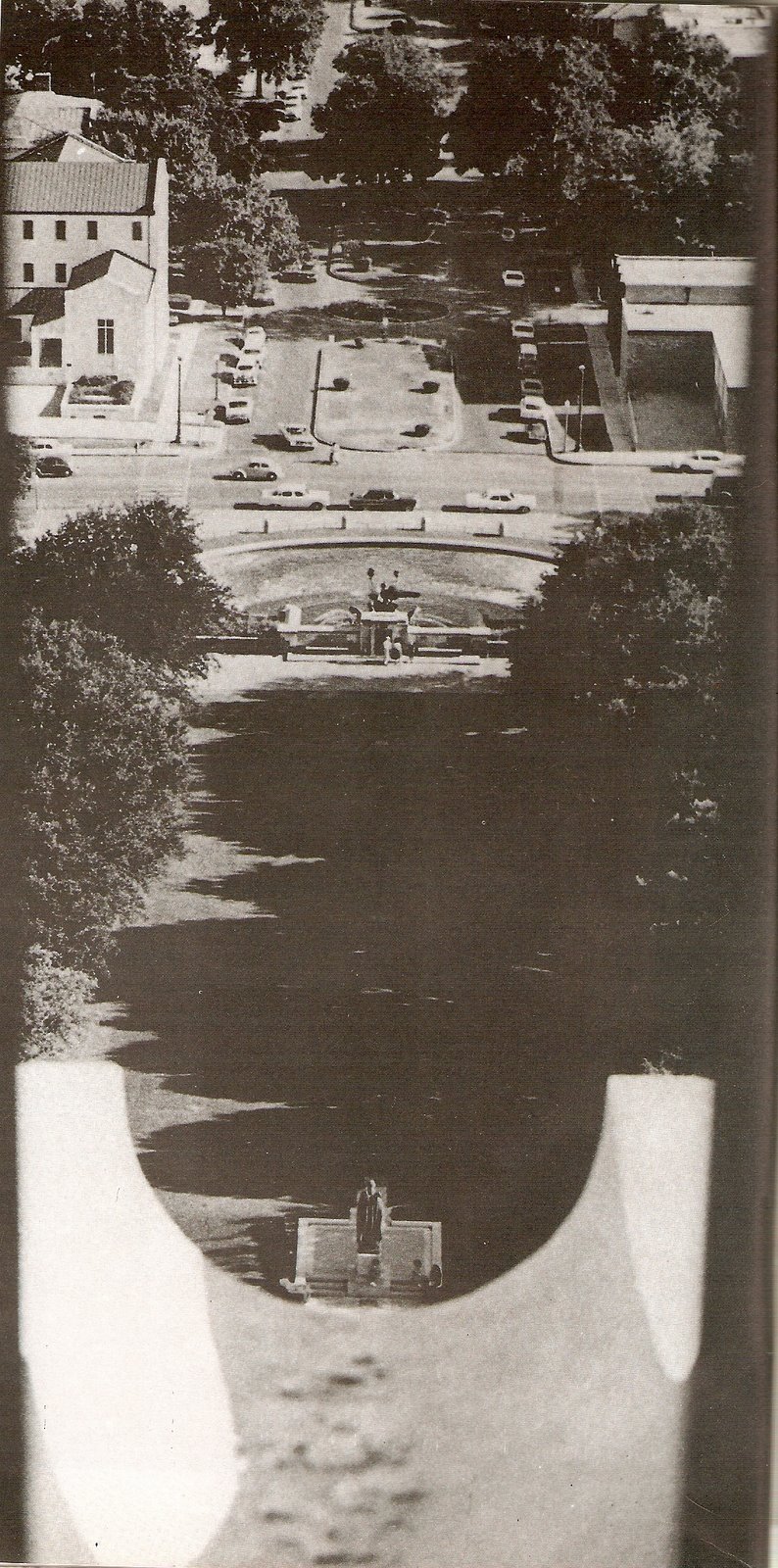
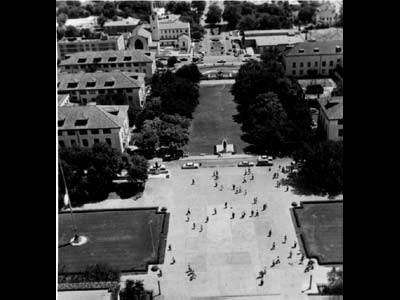
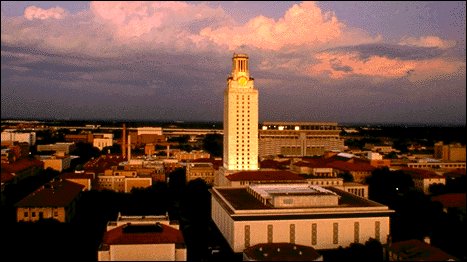
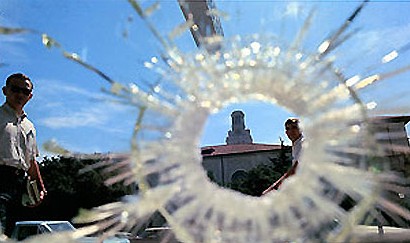
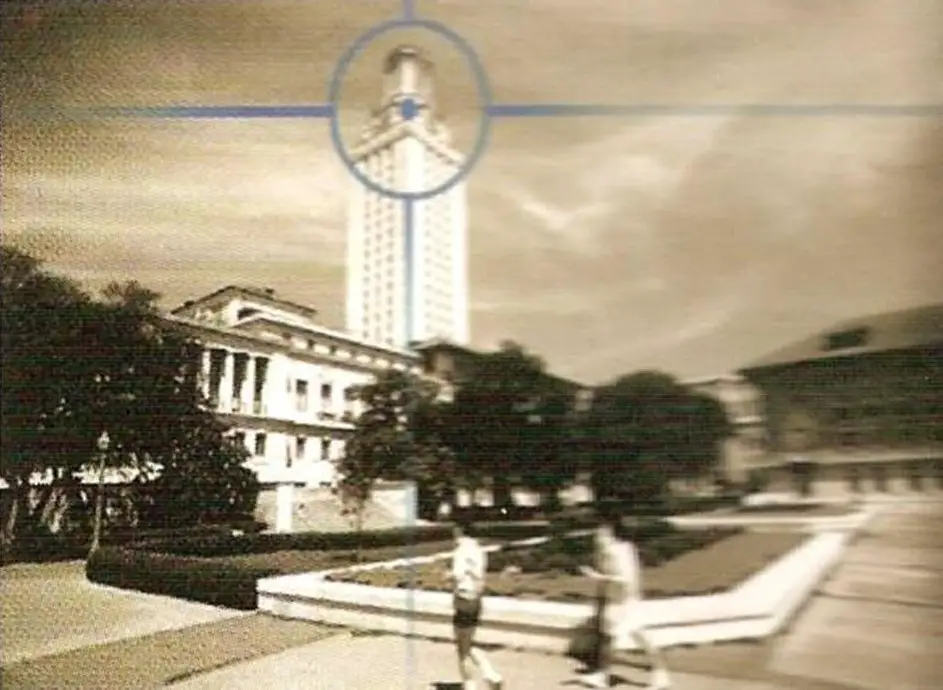
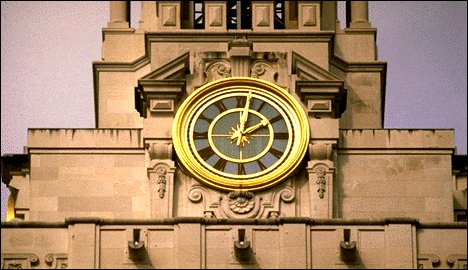
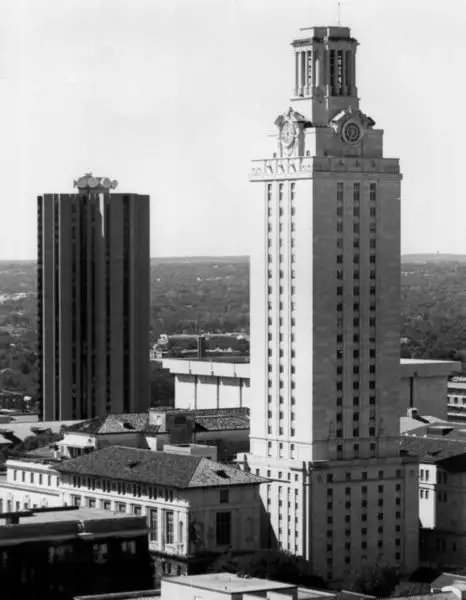
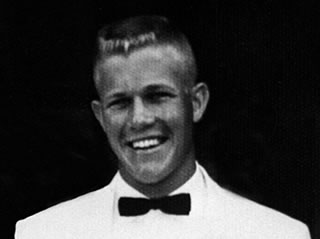
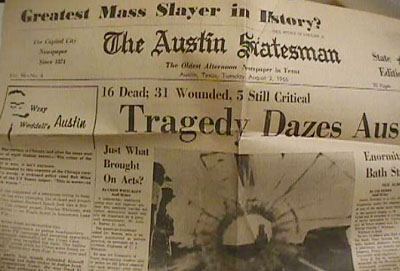
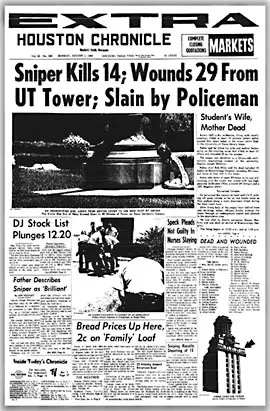
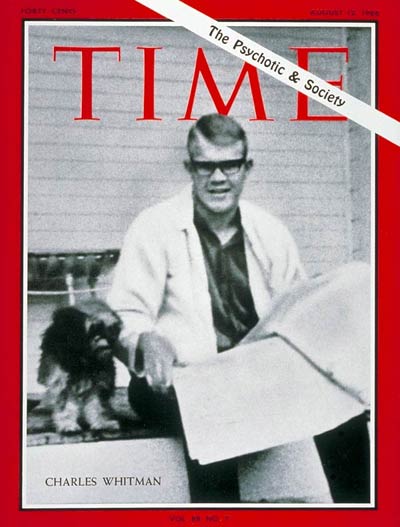
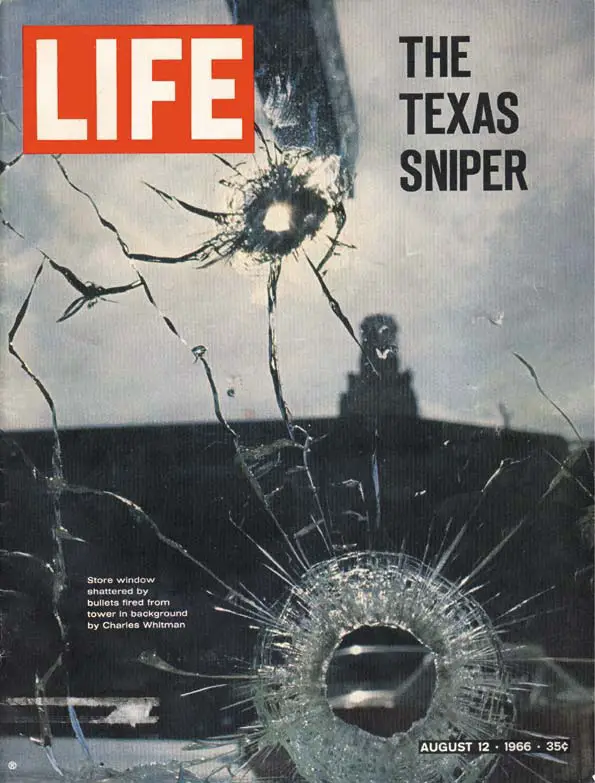
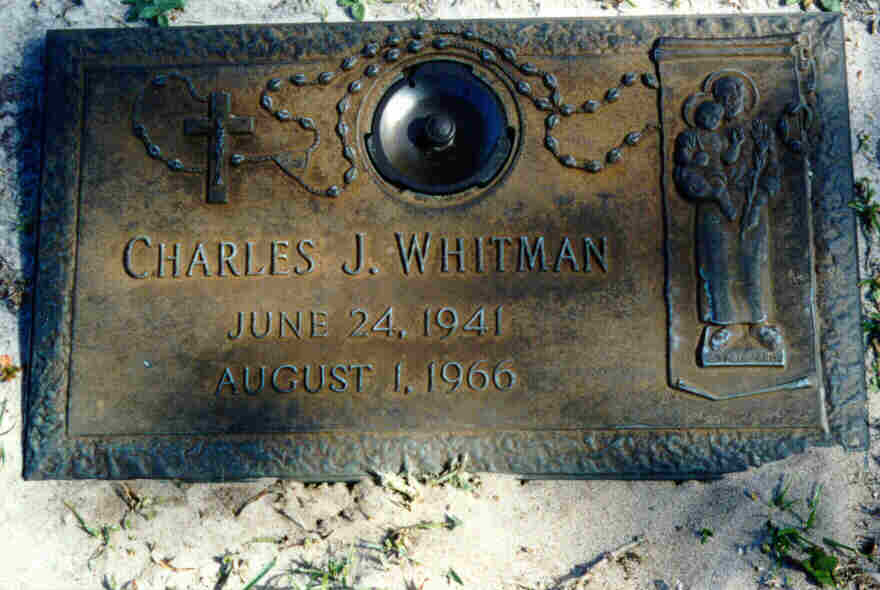
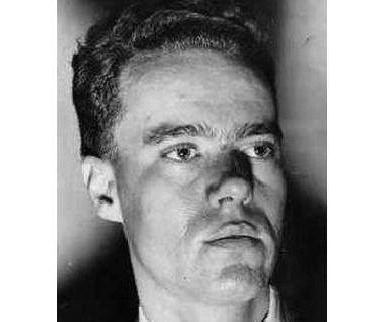
Charles Whitman (born Charles Joseph Whitman; June 24, 1941 – August 1, 1966), known in contemporary criminological history as «The Texas Tower Sniper», was an American former Marine, architectural engineering student, and expert marksman responsible for the first televised active-shooter mass murder on a university campus in modern history. On August 1, 1966, in Austin, Texas, Whitman initially murdered his mother and his wife in their respective homes—stating in posthumous typewritten notes that he wished to "spare them the embarrassment and sorrow of what he was about to do." He subsequently ascended heavily armed to the 28th-floor observation deck of the iconic Main Building Tower at the University of Texas at Austin, maintaining 96 minutes of sustained sniper fire upon students, faculty, and pedestrians below.
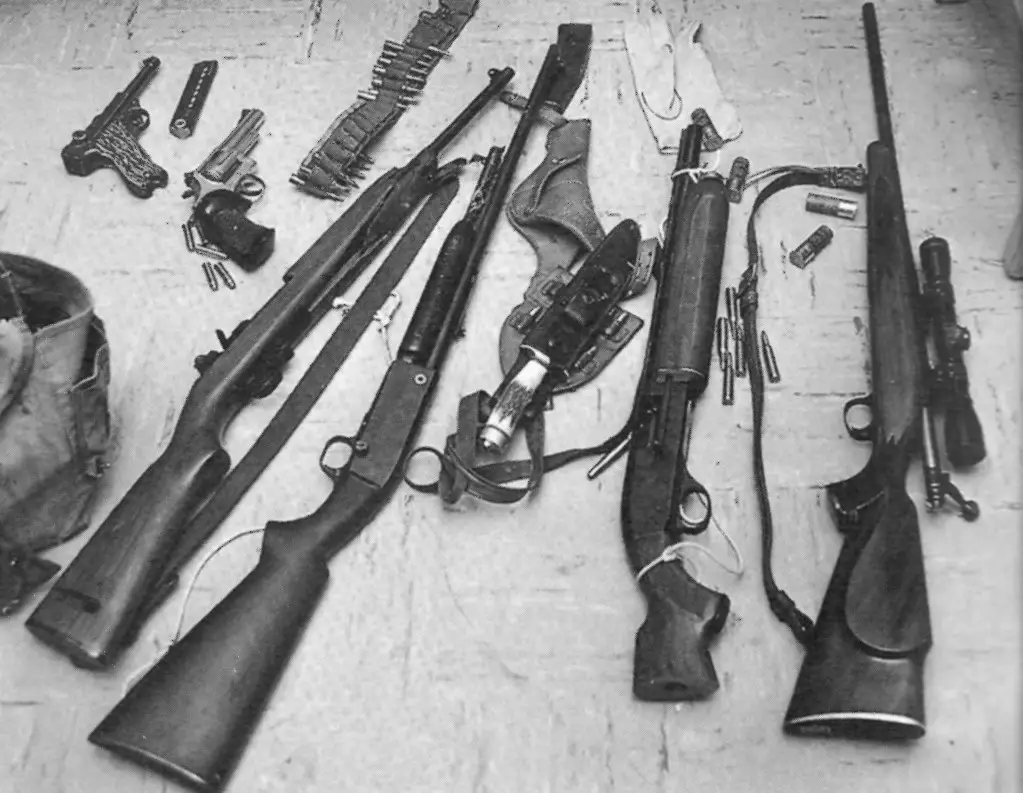
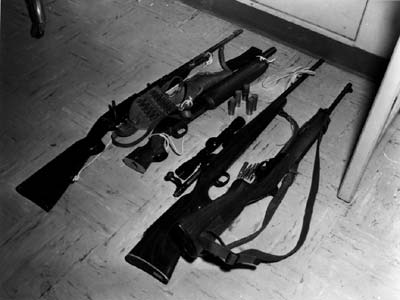
Concealed behind limestone parapets more than seventy meters above ground and utilizing a bolt-action hunting rifle equipped with a 4x telescopic sight, semiautomatic carbines, and sawed-off shotguns, Whitman killed fourteen people on the campus and critically injured thirty-one others—including an eight-month-pregnant woman whose unborn fetus died instantly—before being neutralized in a daring tactical frontal assault by Austin Police Department officers Ramiro Martínez and Houston McCoy, assisted by civilian volunteer Allen Crum. Factoring in his mother, his wife, and a victim who died years later from chronic renal failure resulting from gunshot trauma, the final fatality toll was formally established at 17 victims.
The Whitman case transformed international criminology, forensic neurobiology, and tactical policing:
- The Neuroanatomical Inquest: In his suicide note found on his desk, Whitman explicitly requested that a forensic autopsy be performed on his brain to verify whether an organic lesion accounted for his relentless, excruciating headaches and uncontrollable violent impulses. Post-mortem neuropathology and the subsequent Governor's Task Force identified a pecan-sized brain tumor (astrocytoma / glioblastoma multiforme) compressing the amygdaloid nucleus and the thalamus, key limbic structures governing emotional regulation, fear responses, and impulse modulation.
- Birth of Modern SWAT Units: The demonstrated vulnerability of conventional patrol forces when confronting an elevated, barricaded active shooter catalyzed the immediate development and deployment of SWAT (Special Weapons and Tactics) tactical units in Los Angeles and throughout the United States.
Forensic & Criminological Matrix
| Parameter | Forensic Detail |
|---|---|
| Legal Identity | Charles Joseph Whitman |
| Public Identity | Charles Whitman |
| Criminological Aliases | "The Texas Tower Sniper" |
| Date of Birth | June 24, 1941 (Lake Worth, Florida, U.S.) |
| Date of Death | August 1, 1966 (University of Texas Tower, Austin; aged 25) |
| Medical Cause of Death | Multiple point-blank penetrating gunshot wounds (chest and skull) in tactical firefight |
| Criminological Classification | Mass Murderer / Elevated Barricaded Active Sniper |
| Total Fatalities | 17 (14 at the tower, 2 preceding familicides, 1 deferred death from renal organ failure) |
| Injured Survivors | 31 individuals sustaining bullet and shrapnel trauma |
| Primary Crime Scene | 28th-floor observation deck, University of Texas Main Building Tower, Austin, Texas |
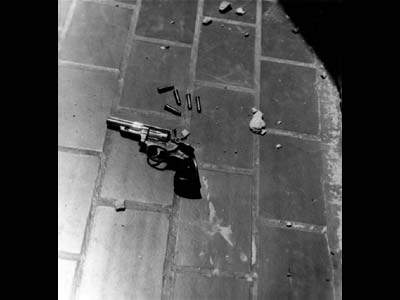
| Weapons Employed | Remington 700 6mm with 4x Leupold scope; .30 cal M1 carbine; Remington .35 rifle; Sears 12-gauge sawed-off shotgun; Smith & Wesson .357 Magnum revolver; Luger 9mm pistol |
| Forensic Neuropathology Finding | Glial brain tumor (astrocytoma / incipient glioblastoma) compressing the amygdala |
| Officers Neutralizing Suspect | Officers Ramiro Martínez and Houston McCoy (Austin Police Department) and Allen Crum |
| Judicial Disposition | Deceased at crime scene; case closed via abatement of criminal prosecution |
Early Life, Military Discipline, and Marine Corps Training (1941–1965)
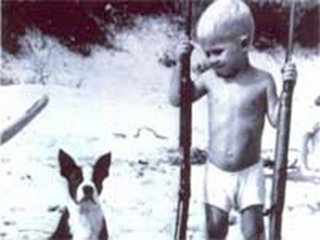
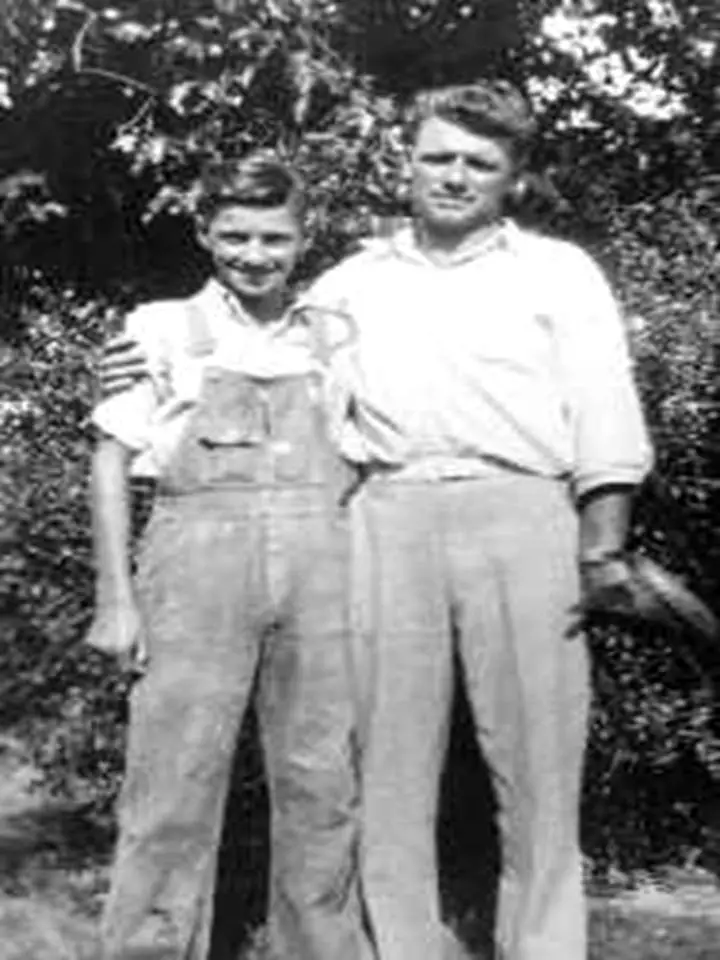
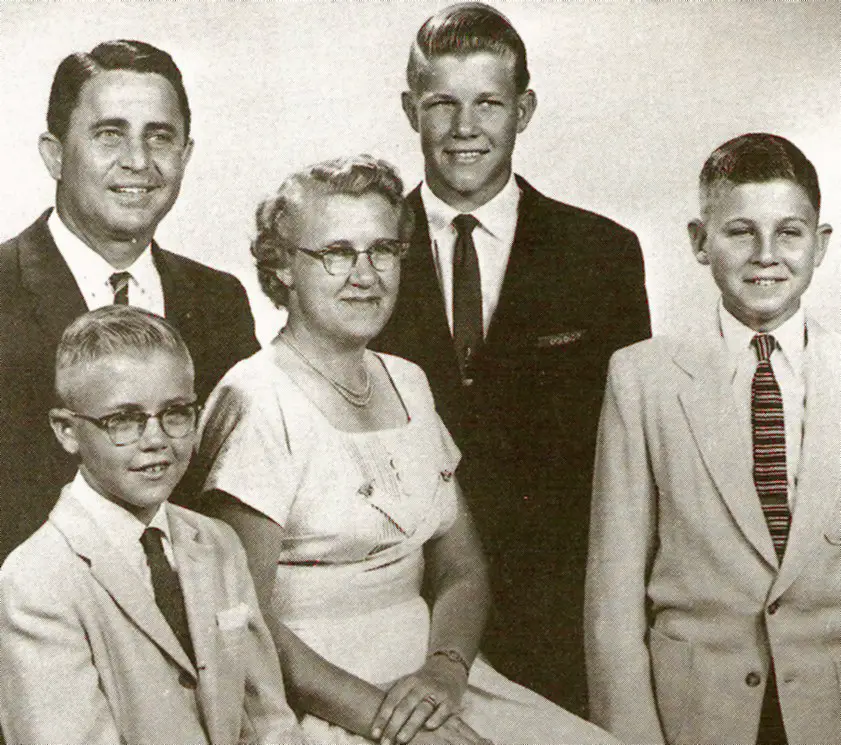
Charles Joseph Whitman grew up in Lake Worth, Florida, within an affluent household dominated by the violent authoritarianism of his father, Charles Adolphus Whitman, a successful plumbing contractor. His father subjected his wife Margaret and three sons to military-style regimentation, punishing trivial mistakes with severe physical beatings:
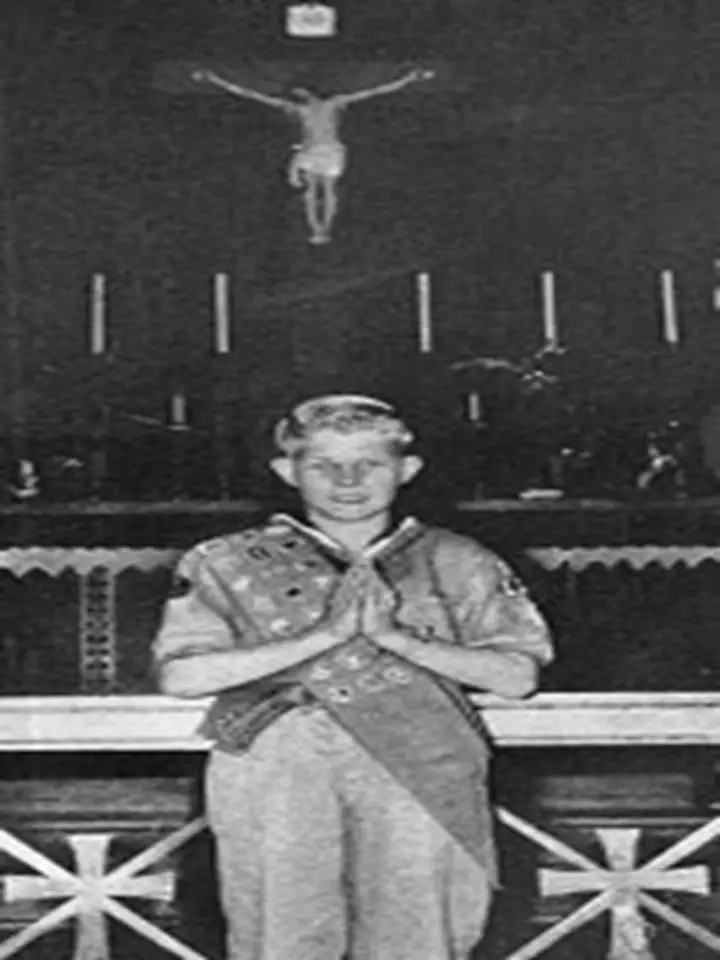
- Despite household domestic violence, Charles was an intellectually gifted youth (tested with an IQ of 139), serving as an altar boy, accomplished pianist, and becoming one of the youngest Eagle Scouts in Boy Scouts of America history at age twelve.
- His father, an obsessive firearms collector, taught Charles from childhood to shoot, maintain, and sight firearms, instilling sharpshooting marksmanship.
- In June 1959, following a severe physical altercation in which his father beat him and hurled him into the family swimming pool, Whitman enlisted in the United States Marine Corps (USMC). Stationed at Guantánamo Bay, Cuba, and Camp Lejeune, North Carolina, he earned the Marine Corps Sharpshooter Badge, exhibiting rapid long-distance accuracy on moving targets.
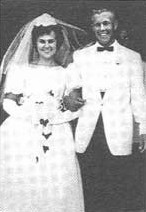
In 1961, military command awarded him a Naval Reserve Officer Training Corps scholarship to study mechanical engineering at the University of Texas at Austin. There he met Kathleen "Kathy" Leissner, an education student whom he married in August 1962. However, his academic career unraveled:
- Whitman accumulated illegal gambling debts and faced a court-martial in 1963 for usury and unauthorized possession of a personal pistol on base, losing his scholarship and rank.
- Honorably discharged from the Marines in December 1964, he returned to Austin as a civilian to resume architectural engineering, working night shifts as a bank collector to support his household.
Psychological Collapse, the Farewell Note, and Familicides (July 1966)
In early 1966, Whitman's psychological equilibrium disintegrated. Following his parents' divorce, his mother relocated to Austin, triggering relentless telephone harassment and threats from his father. Whitman experienced debilitating headaches, bouts of depersonalization, and unprovoked violent rages:
- In March 1966, he visited the University of Texas Health Center, consulting staff psychiatrist Dr. Maurice Dean Heatly. In a fifty-minute session, Whitman confessed to being "overwhelmed by violent impulses," admitting a recurring fantasy of "going up on the tower with a deer rifle and shooting people." The psychiatrist scheduled a follow-up, but Whitman never returned.
- He consumed large quantities of dextroamphetamine (Dexedrine) to manage chronic exhaustion and work through nights.
On the evening of July 31, 1966, Whitman sat at his typewriter in his Jewel Street home:
"I do not quite understand what it is that compels me to type this letter. Perhaps it is to leave some vague reason for the actions I have recently have performed. I do not really understand myself these days. I am supposed to be an average reasonable and intelligent young man. However, lately (I cannot recall when it started) I have been a victim of many unusual and irrational thoughts... It was after much thought that I decided to kill my wife, Kathy, tonight... I love her dearly, and she has been as fine a wife to me as any man could ever hope to have. I cannot truthfully give any logical reason for doing this, except I want to spare her from the embarrassment and grief my actions would cause her."
Around midnight, he drove to his mother's apartment at 1515 Guadalupe Street. Following a brief struggle in the hallway, he stabbed Margaret (43) through the heart and shot her in the back of the head, placing her in bed and drawing a sheet over her. Returning home, he waited for his wife Kathy (23) to fall asleep, fatally stabbing her three times in the chest. Beside both bodies, he left typed notes begging forgiveness and expressing love.
96 Minutes of Terror at the Austin Tower (August 1, 1966)
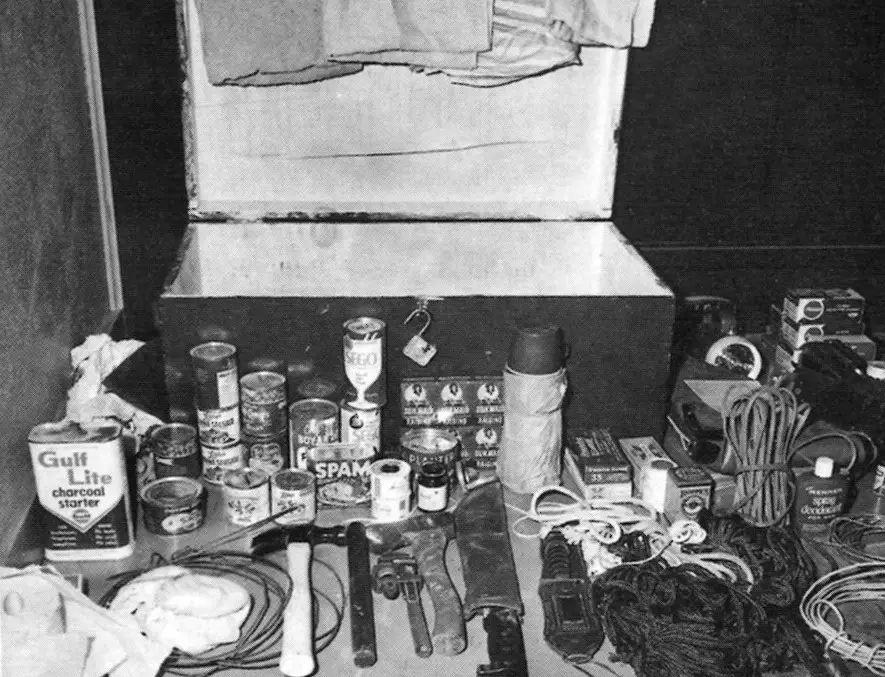
Early Monday morning, August 1, Whitman purchased ammunition, an M1 carbine, and a shotgun at local hardware and gun stores, sawing off the shotgun barrels in his garage. Renting a three-wheeled handcart, he packed a heavy footlocker with siege provisions (gasoline, water jugs, canned rations, hunting knives, transistor radio, binoculars, and over 700 rounds of ammunition).
At 11:25, dressed in mechanic's overalls, he entered the Main Building Tower, telling staff he was an elevator repairman:
- The 28th-Floor Reception Room: On the observation floor, he encountered receptionist Edna Townsley (51), bludgeoning her with a rifle butt and concealing her dying body behind a sofa. Moments later, he ambushed tourists ascending the stairs: opening fire with the sawed-off shotgun, killing Marguerite Lamport and 16-year-old Mark Gabour, while critically wounding two others. He shot Townsley through the head and barricaded the door with a desk.
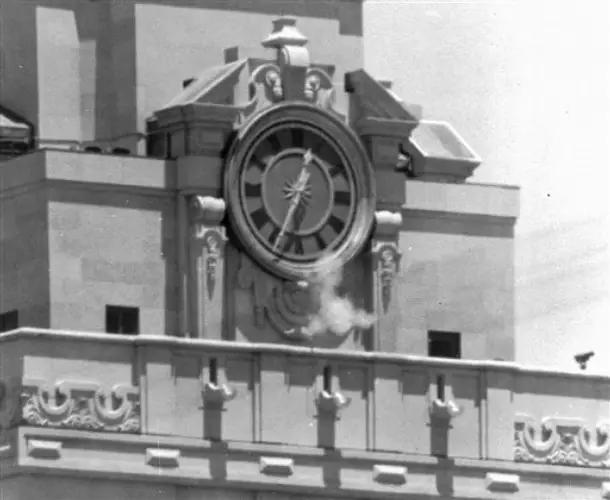
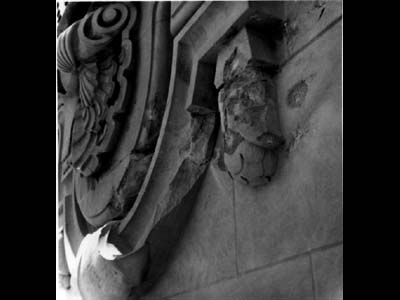
- Sniper Fire Over Campus: At 11:48, Whitman stepped out onto the open parapet surrounded by a 45-centimeter-thick limestone wall. Armed with his Remington 700 6mm scoped rifle, he initiated sustained precision fire:
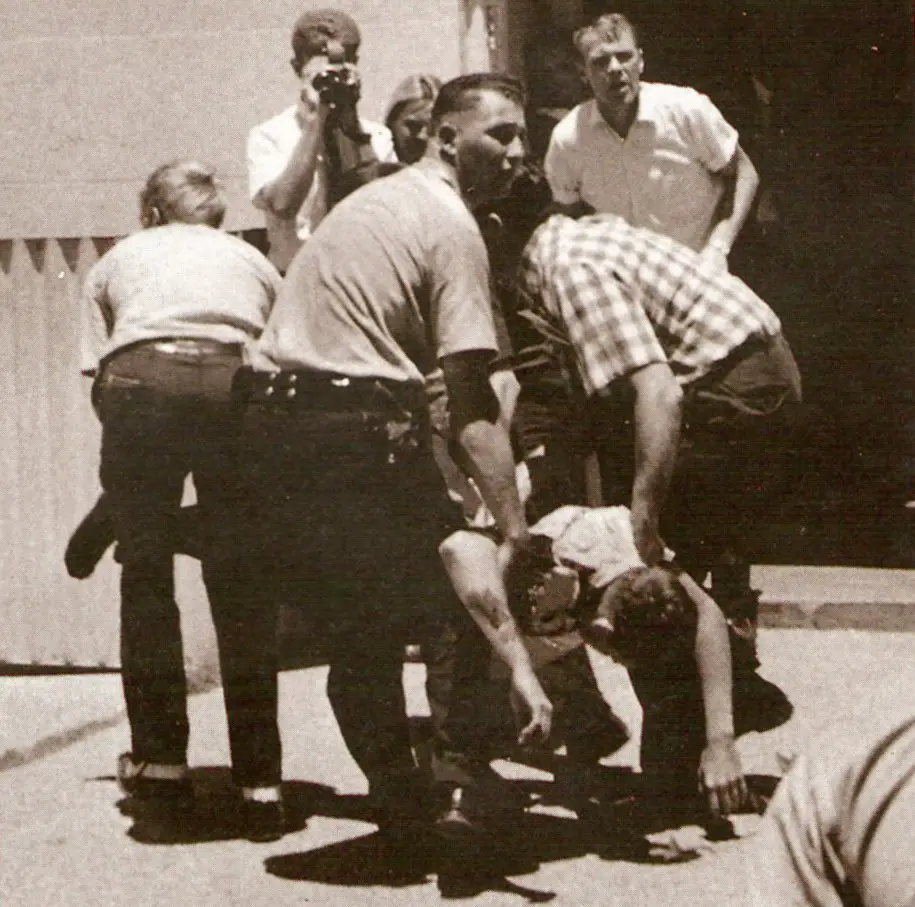
- His initial round struck Claire Wilson, an eight-month-pregnant student crossing the South Mall; the bullet shattered the pelvis, killing her unborn child instantly. Her fiancé, Thomas Eckmann (18), was shot through the chest and killed as he tried to assist her.
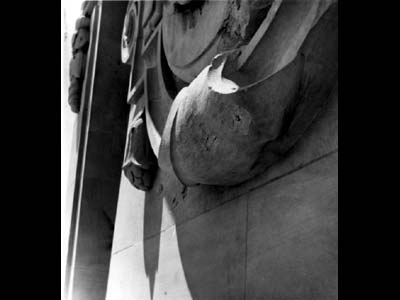
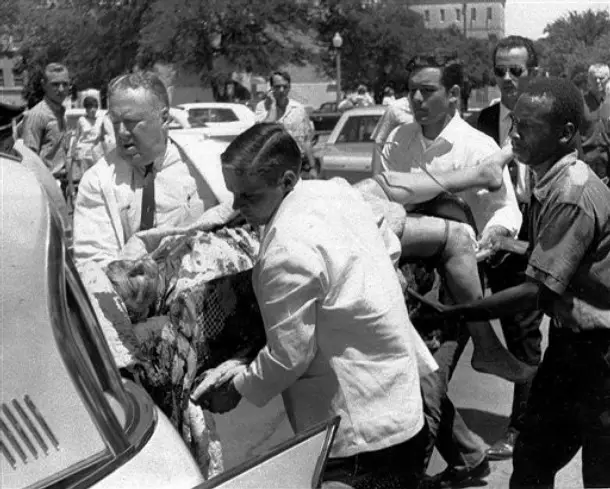
- For over ninety minutes, he sniped targets across distances from 100 to 400 meters: killing patrol officer Billy Speed through the gap of an ornamental stone balustrade, students leaving class, and pedestrians attempting rescues on the sunbaked pavement.
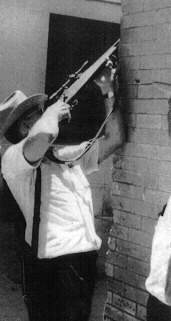
- Civilian and Police Response: Lacking rifles, Austin patrolmen faced ineffective range with standard service revolvers. Dozens of local citizens and students brought personal deer hunting rifles from their trucks, creating a perimeter of return fire aimed at the observation deck. Although civilians did not hit the sniper, the barrage forced Whitman to shoot through low drainage spouts, drastically degrading his firing rate.
The Tactical Breach and Neutralization of Whitman
Shortly after 13:00, Austin Police Officer Ramiro Martínez, partner Houston McCoy, and Officer Jerry Day ascended into the tower, accompanied by civilian volunteer Allen Crum, an Air Force veteran and university bookstore employee.
Clearing the barricade and moving past casualties, Martínez, McCoy, and Crum navigated onto the outdoor deck:
- Crum moved along the west wing and fired a warning shot into the wall, inadvertently alerting Whitman.
- Rounding the northeast corner, Whitman turned toward Officer Ramiro Martínez, who immediately emptied his .38 Special service revolver into the shooter.
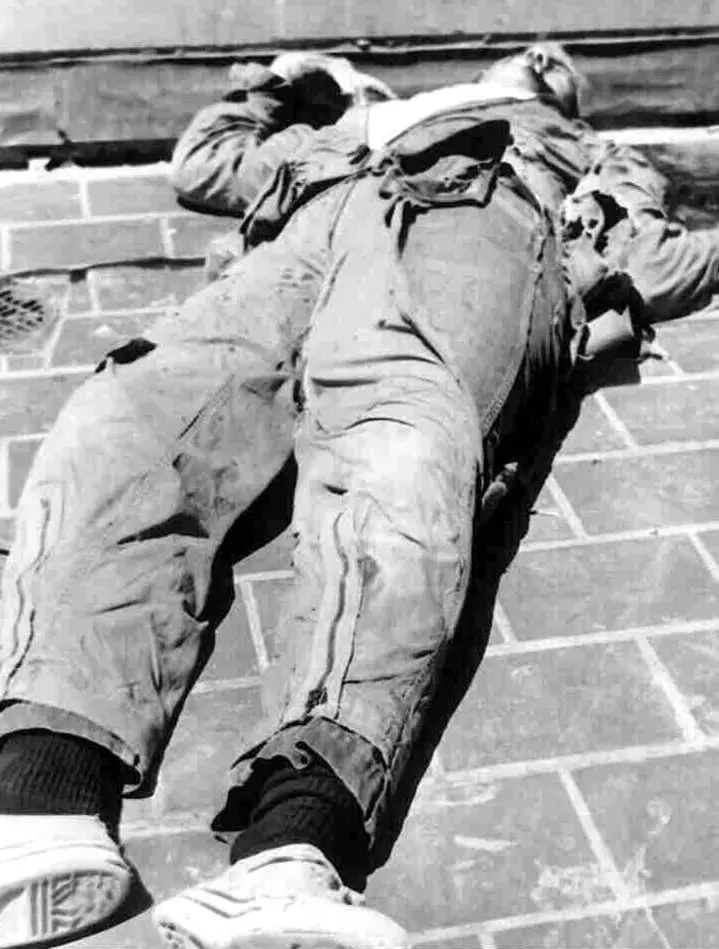
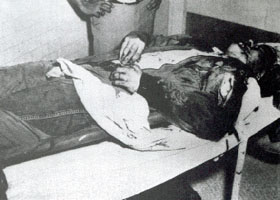
- Simultaneously, Officer Houston McCoy rounded the corner with a 12-gauge pump shotgun loaded with 00 buckshot, firing two blasts into Whitman's neck and chest, dropping him dead against the parapet. Martínez grabbed the shotgun and delivered a final stabilizing shot. At 13:24, the tower siege was broken.
The Neuroforensic Enigma: Brain Astrocytoma
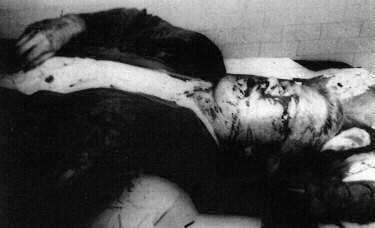
In accordance with Whitman's typed request, Dr. R. J. Chenar, Travis County medical examiner, conducted a forensic autopsy hours after the shooting.
Upon opening the cranial cavity, examiners located a firm, grayish, walnut-sized tumor (approximately two centimeters in diameter) embedded in the medial temporal subcortical region:
- Histopathological analysis identified the mass as a fibrillary astrocytoma with focal areas characteristic of incipient glioblastoma multiforme, exerting direct mechanical compression on the thalamus, hypothalamus, and the amygdala.
- In response to intense national debate, Texas Governor John Connally appointed a specialized Commission of neurosurgeons, psychiatrists, and pathologists chaired by Dr. William C. Levin. The commission's official report concluded:
"The anatomical location of the tumor in the limbic circuits regulating emotional responses, aggression, and impulse modulation may have played a significant contributing physiological role in Whitman's inability to control his homicidal impulses, compounded by his documented consumption of central nervous system amphetamine stimulants."
The Whitman dossier remains a primary text in neuroethics and forensic psychiatry concerning the interface between organic brain pathology and legal culpability.
Nominal Register: Fatal Victims of the Texas Tower Massacre
| Victim Identity | Age | Description / Occupation | Incident Location | Medico-Legal Cause of Death |
|---|---|---|---|---|
| Margaret Whitman | 43 | Mother of shooter; cashier | 1515 Guadalupe St. residence | Penetrating chest stab wound to heart and gunshot wound to head |
| Kathleen «Kathy» Whitman | 23 | Wife of shooter; schoolteacher | Jewel St. marital residence | Three penetrating stab wounds to the heart/chest |
| Edna Townsley | 51 | Tower observation deck receptionist | 28th Floor, Main Building | Rifle butt cranial trauma and craniocerebral gunshot wound |
| Marguerite Lamport | 45 | Tourist visiting campus | 28th Floor stairway | Point-blank 12-gauge shotgun blast to chest |
| Mark Gabour | 16 | High school student from Texarkana | 28th Floor stairway | Point-blank shotgun wound to head |
| Thomas Eckmann | 18 | University freshman student | South Mall plaza | 6mm Remington rifle bullet to chest |
| Baby Boy Wilson | 8 mos. | Unborn fetus of Claire Wilson | South Mall plaza | Intrauterine fetal demise via penetrating transfixion bullet |
| Dr. Robert Boyer | 33 | Visiting Professor of Mathematics | South Mall grounds | Rifle bullet to back with fatal cardiac involvement |
| Thomas Ashton | 22 | Peace Corps volunteer | Near Student Union | High-velocity rifle bullet wound to chest |
| Karen Griffith | 17 | High school student | Street outside campus | Chest wound; died following seven days in hospital |
| Thomas Karr | 24 | University student | Street outside campus | Gunshot wound to thoracic spine and vascular severance |
| Billy Speed | 22 | Austin Police patrol officer | Campus stone balustrade | Rifle bullet penetrating armpit into thoracic cavity |
| Harry Walchuk | 38 | Doctoral student and lecturer | Newsstand across campus | Rifle bullet wound to neck and throat |
| Paul Sonntag | 18 | High school graduate | Outside Snyder's Drugstore | Gunshot wound to head while assisting his fiancée |
| Claudia Rutt | 18 | Fiancée of Paul Sonntag | Outside Snyder's Drugstore | Gunshot wound to chest severing the aorta |
| Roy Dell Schmidt | 29 | Electrical technician | University parking lot | Penetrating rifle bullet to abdomen |
| David Gunby | 23 | Electrical engineering student | Campus grounds | Gunshot wound to back; died in 2001 from direct chronic renal failure sequelae |