



Forensic & Criminological Matrix
| Parameter | Forensic Detail |
|---|---|
| Forensic Heading / Aliases | The Badlands Killer / The Plains Spree Killer |
| Legal Identity | Charles Raymond Starkweather |
| Confirmed Victims | 11 |
| Active Timeline | November 1957 – January 1958 |
| Jurisdiction / Area of Operations | Nebraska and Wyoming, USA |
| Criminological Classification | Spree Killer |
| Forensic Modus Operandi | Close-range gunshot wounds, stabbing, and blunt force trauma |
| Weapon / Mechanism of Death | .22 caliber rifle, .410 gauge shotgun, hunting knife |
| Motive / Behavioral Dynamics | Antisocial personality disorder, social resentment, and affective obsession |
| Judicial Outcome | Executed via electric chair on June 25, 1959 |
1. Background and Profile
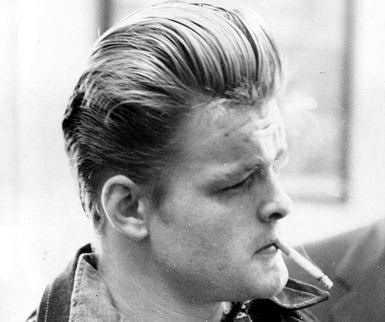
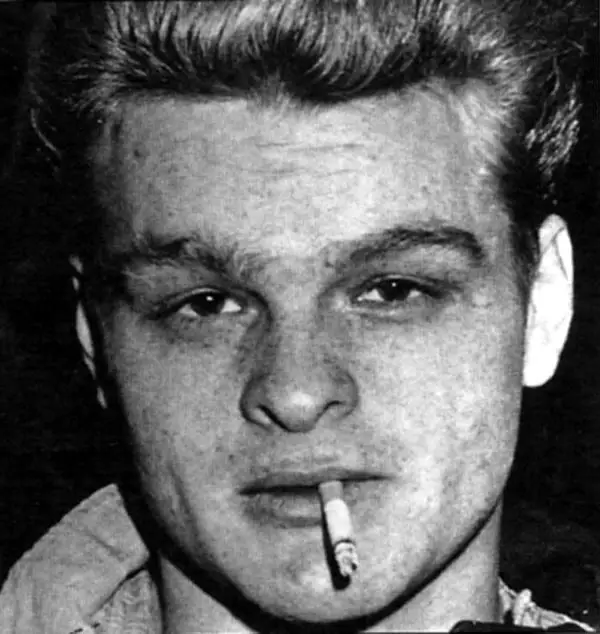
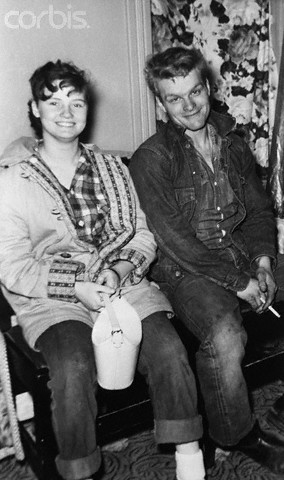
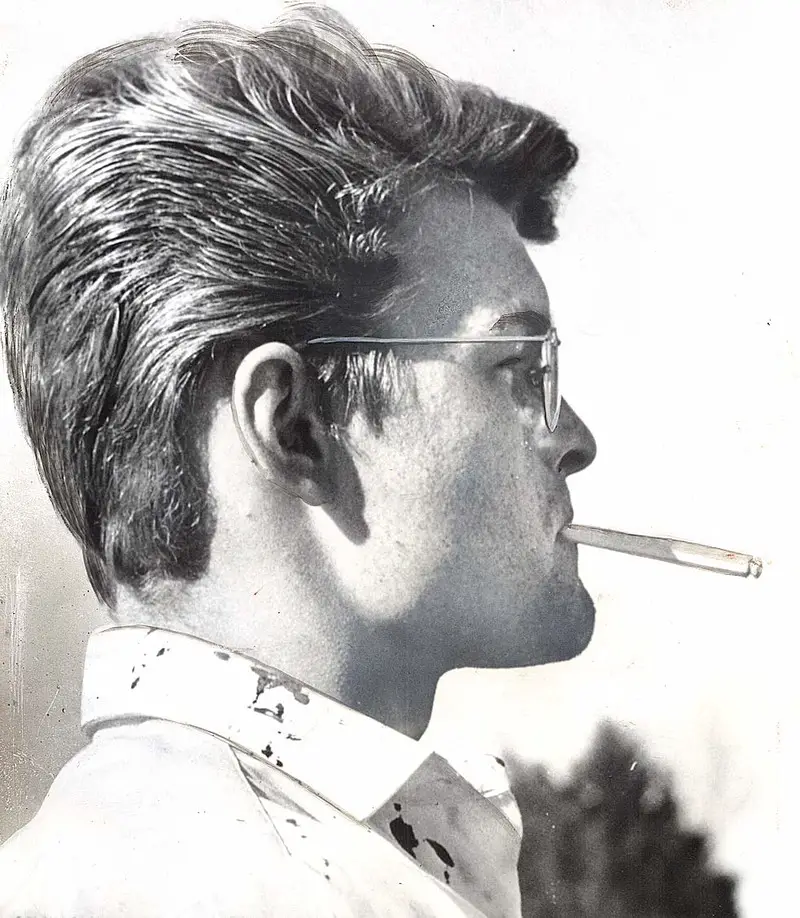
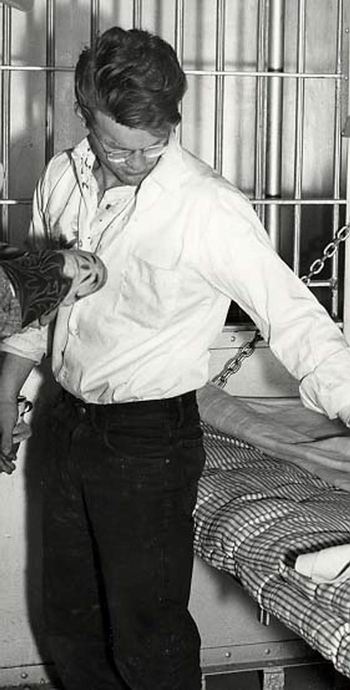
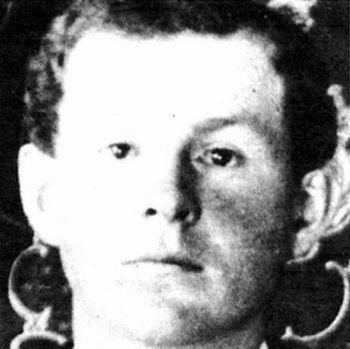
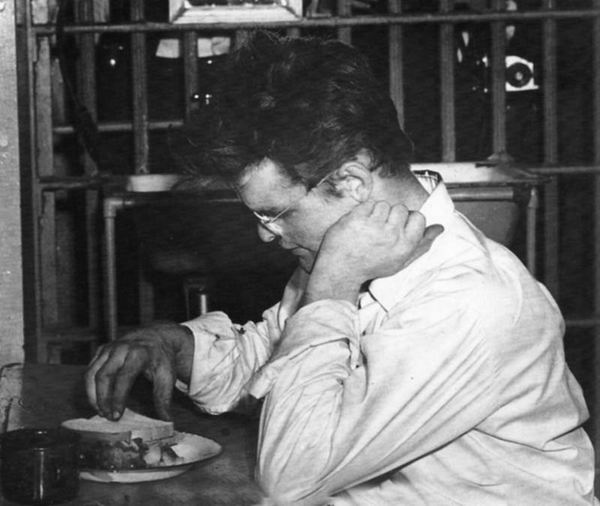
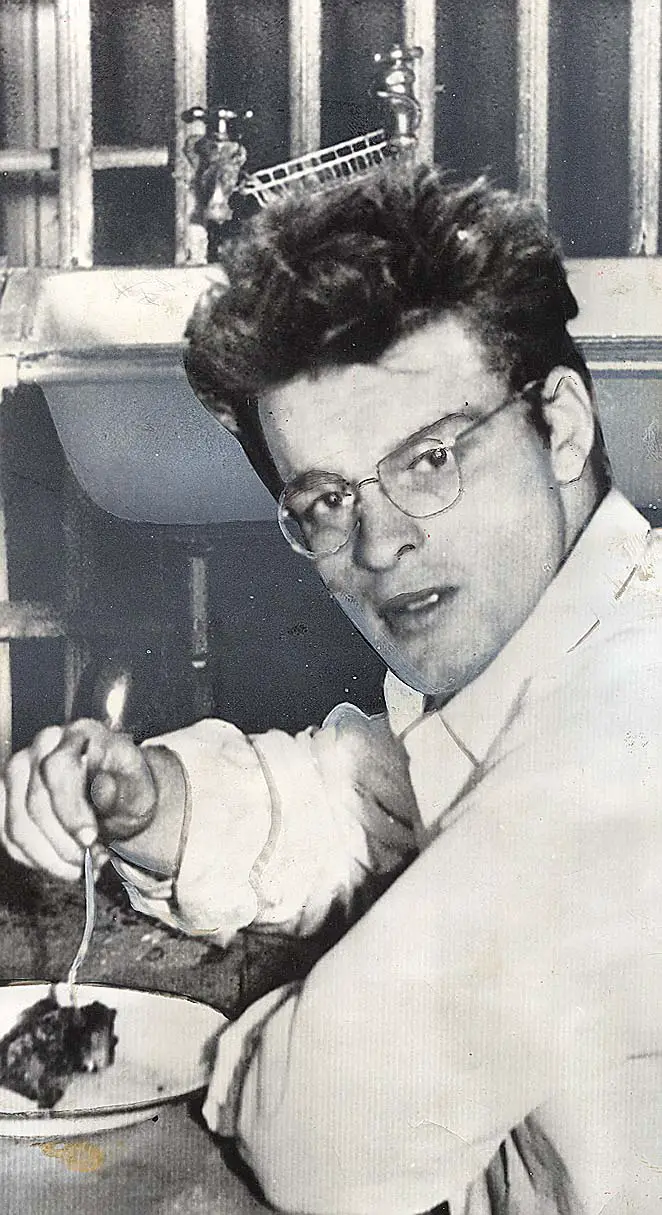
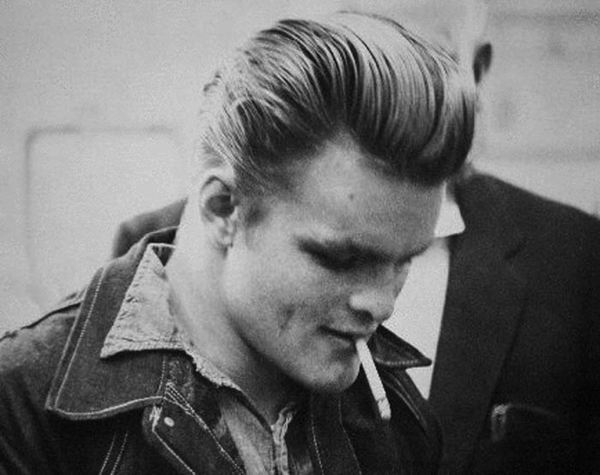
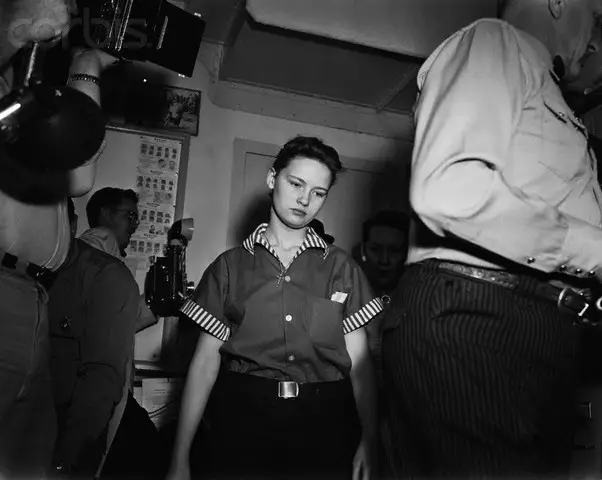
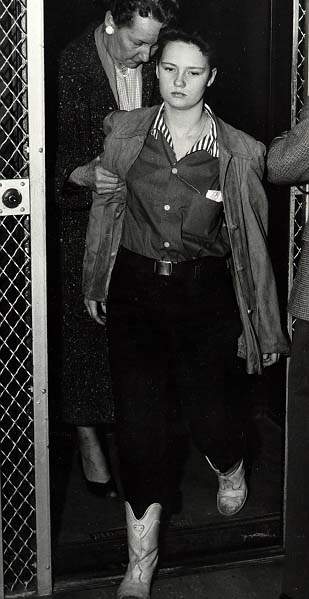
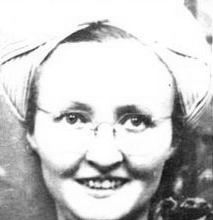
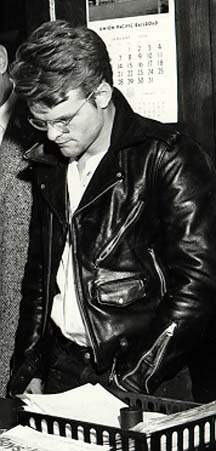
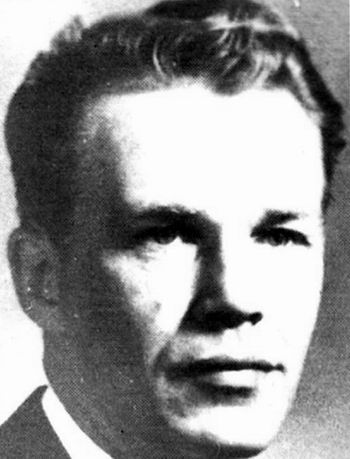
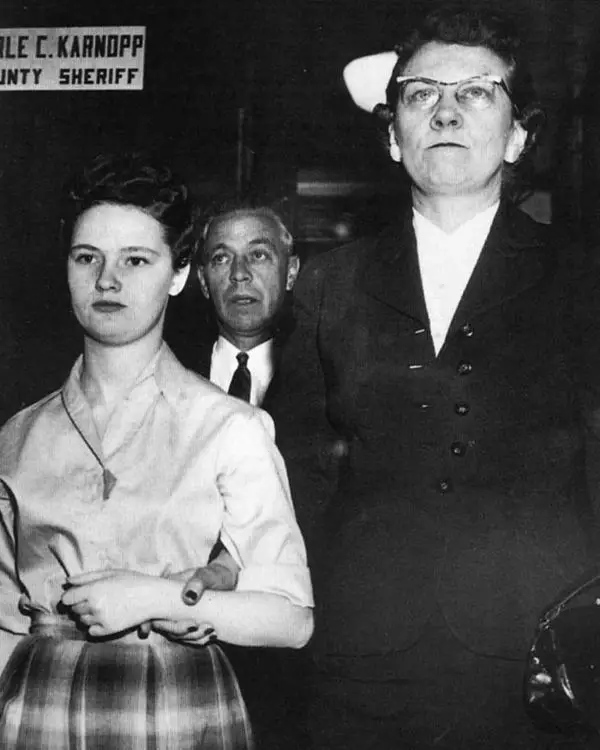
Charles Raymond Starkweather was born in Lincoln, Nebraska, into a working-class family struggling through the aftermath of the Depression. He suffered from congenital physical defects, including strabismus and bowed legs, which led to chronic bullying during his school years. This fostered a profound sense of inadequacy and resentment. By his late teens, he adopted a defiant persona modeled after James Dean, exhibiting volatile and antisocial behavior. His psychological deterioration was marked by an inability to maintain employment and an obsessive relationship with 13-year-old Caril Ann Fugate.
2. Criminal Career and Modus Operandi
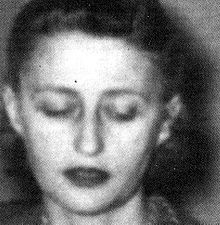
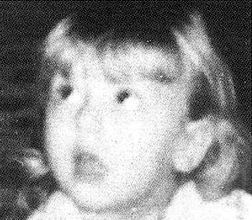
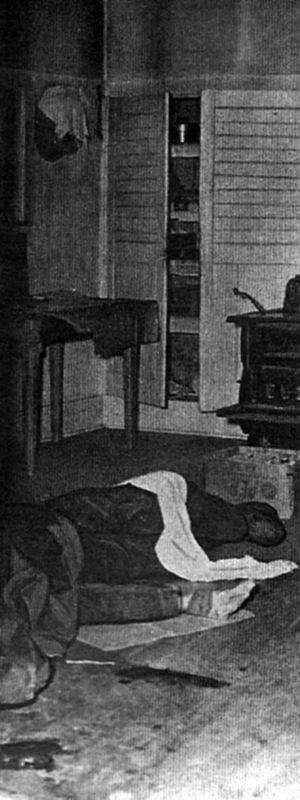
Starkweather's lethal trajectory began on November 30, 1957, with the robbery and murder of gas station attendant Robert Colvert. The primary spree erupted on January 21, 1958, when he murdered Fugate's mother, stepfather, and two-year-old half-sister. His modus operandi involved extreme, unnecessary violence, including point-blank shootings and stabbings. The duo then embarked on a multi-state rampage, killing both acquaintances and strangers to secure vehicles and supplies, demonstrating a complete lack of empathy and the disorganized tactical nature typical of spree killers.
3. Investigation and Arrest
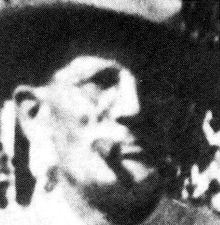
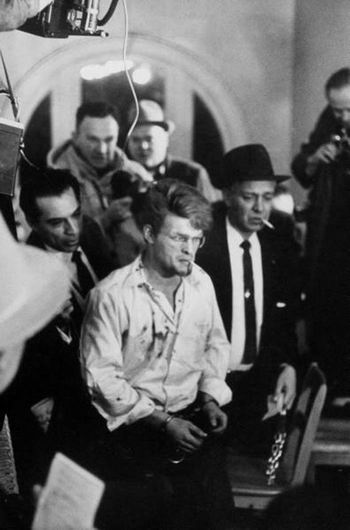
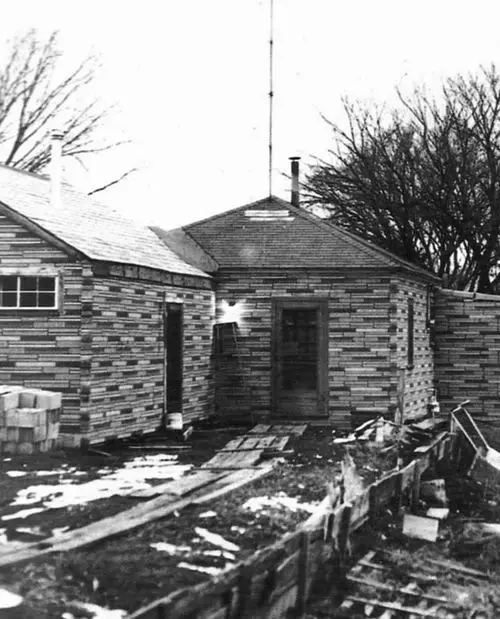
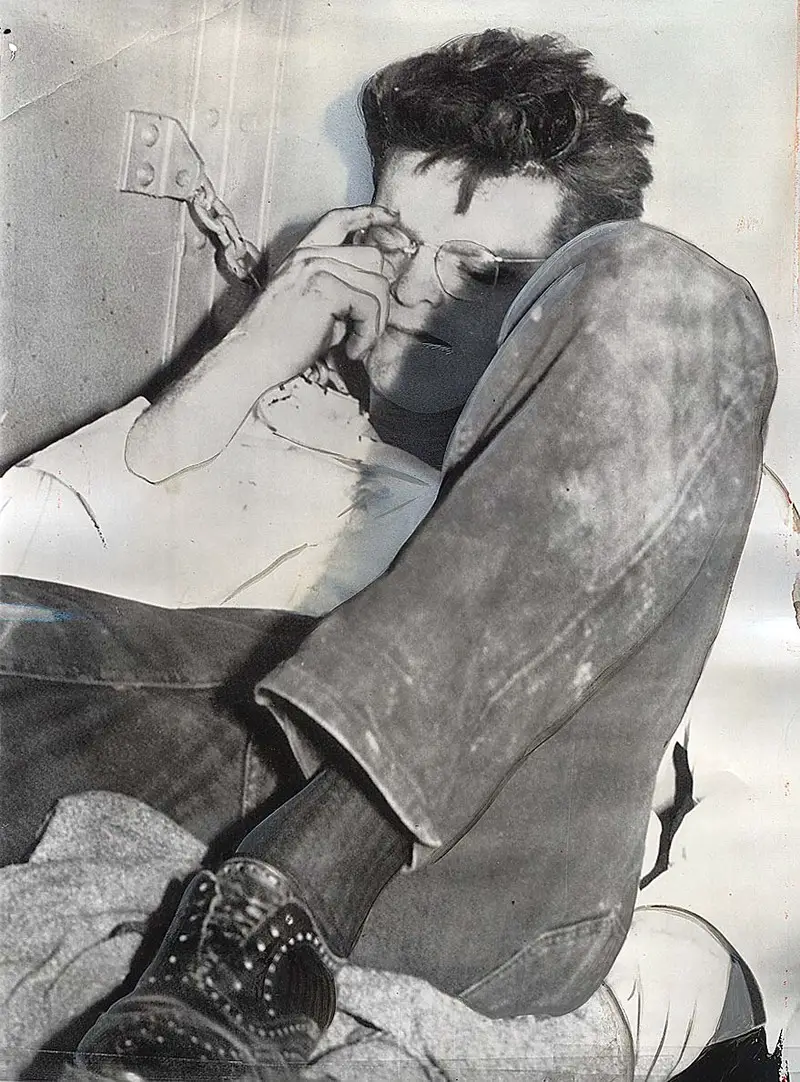
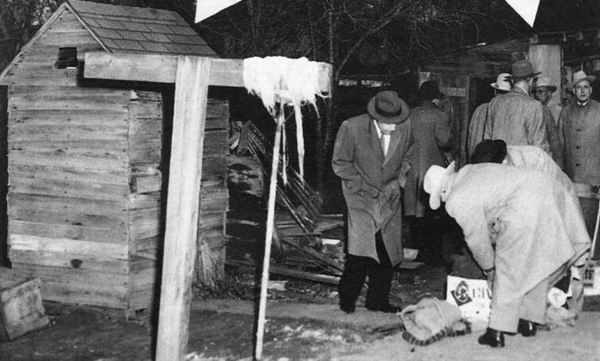
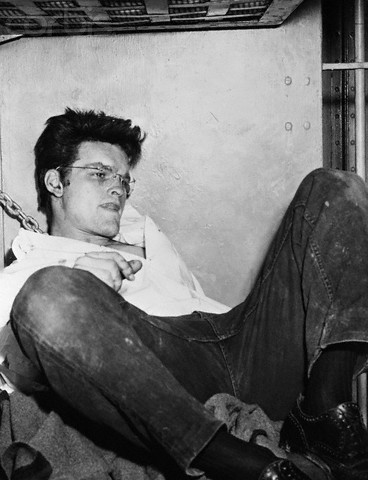
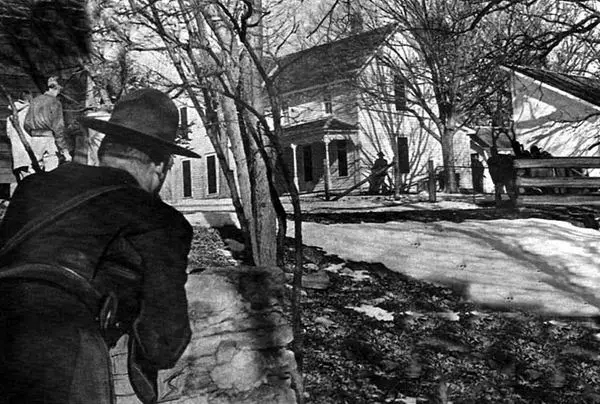
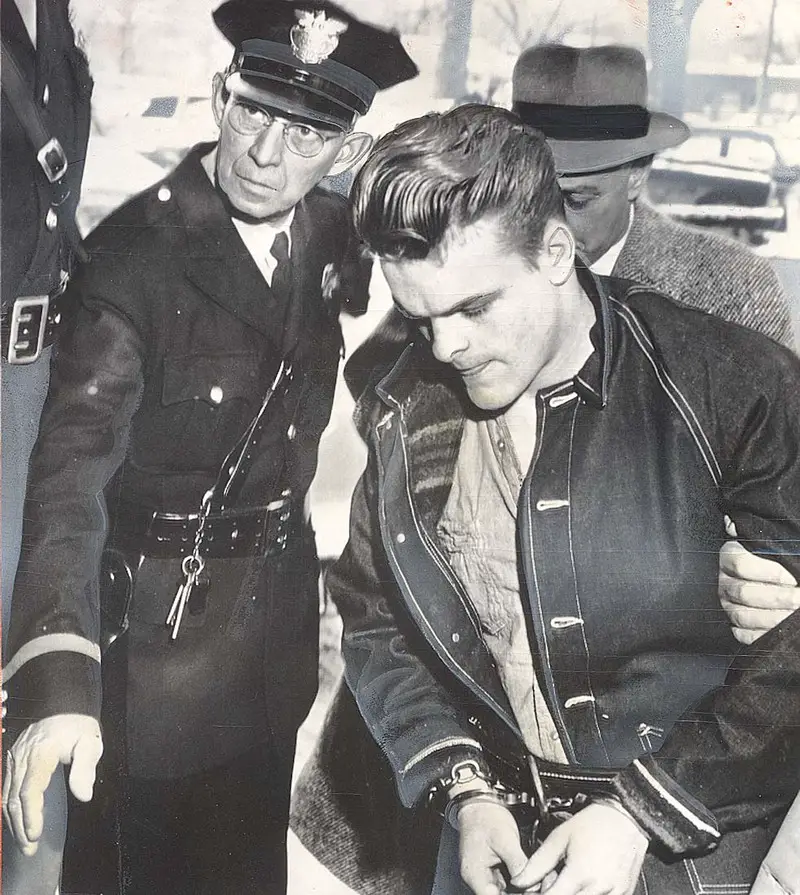
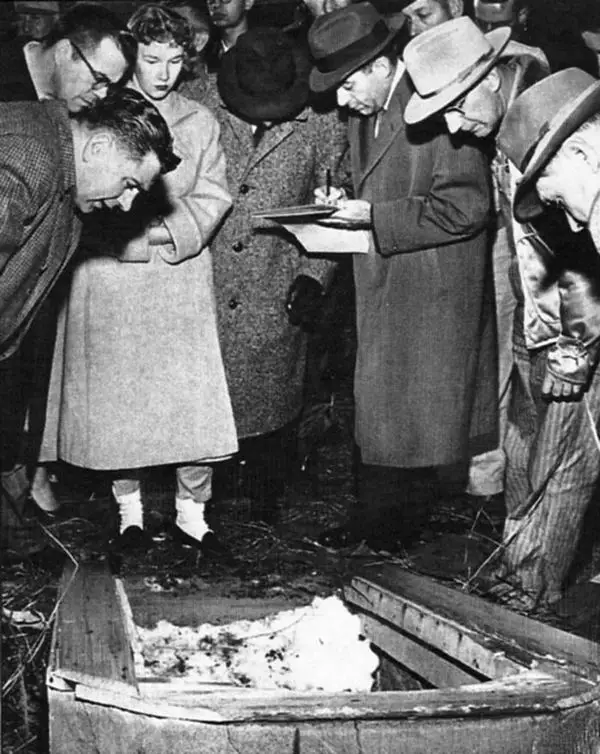
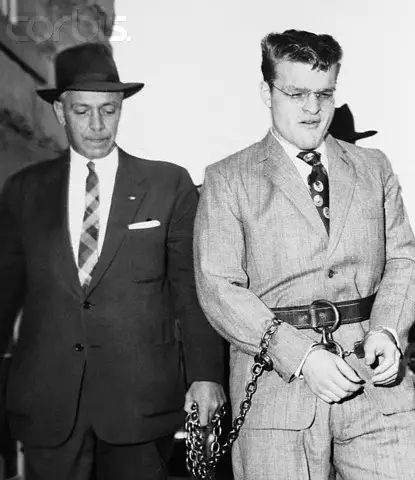
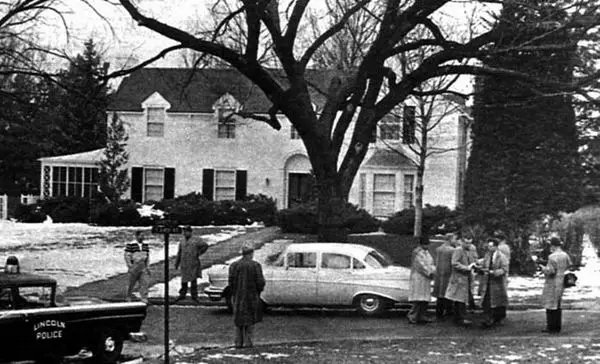
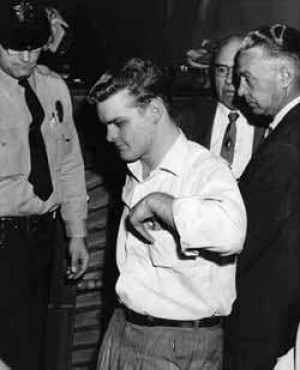
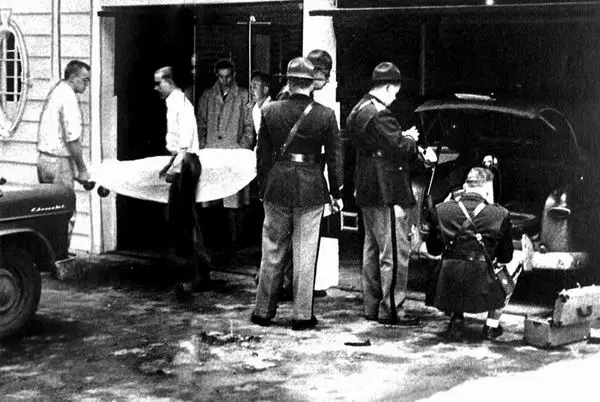
The discovery of the crimes was delayed by a deceptive "flu" sign posted on the Bartlett residence. Once the bodies were found on January 27, a massive manhunt involving the National Guard and the FBI was launched. The capture occurred on January 29, 1958, near Douglas, Wyoming, after Starkweather murdered traveling salesman Merle Collison. A civilian witness alerted a deputy, leading to a high-speed pursuit and Starkweather's eventual surrender after he believed he was bleeding to death from a glass shard wound.
4. Legal Proceedings and Outcome
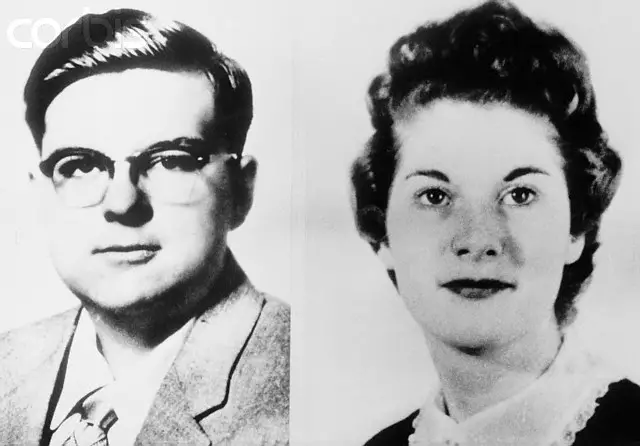
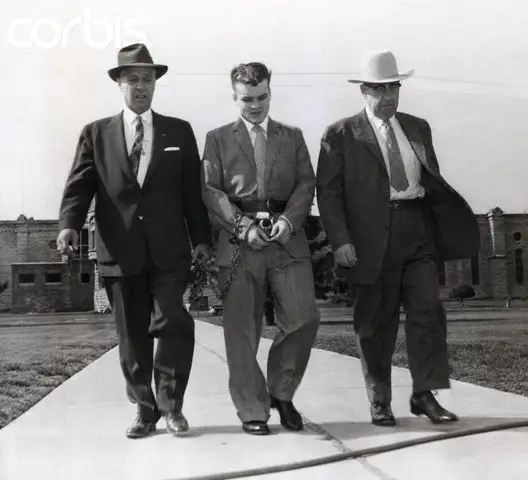
Starkweather's legal defense attempted to plead insanity, but forensic evaluations determined he was legally sane and aware of the nature of his crimes. During the trial, Starkweather's testimony shifted from protecting Fugate to accusing her of active participation in the murders. He was convicted of first-degree murder for the death of Robert Jensen and sentenced to death. Charles Starkweather was executed in the electric chair at the Nebraska State Penitentiary on June 25, 1959, at the age of 20.