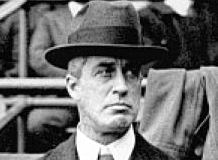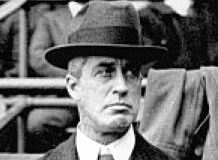
Forensic & Criminological Matrix
| Parameter | Forensic Detail |
|---|---|
| Forensic Heading / Aliases | The Rose Man of Sing Sing |
| Legal Identity | Charles E. Chapin |
| Confirmed Victims | 1 |
| Attributed / Indicted Victims | 1 |
| Active Timeline | 1918 |
| Jurisdiction / Area of Operations | New York, USA |
| Criminological Classification | Domestic Homicide |
| Forensic Modus Operandi | Firearm usage in a private setting |
| Weapon / Mechanism of Death | Handgun |
| Motive / Behavioral Dynamics | Financial crisis and depression |
| Judicial Outcome | Life imprisonment |
1. Background and Profile
Charles E. Chapin was a high-profile editor for Joseph Pulitzer’s 'Evening World'. Despite his professional stature, he suffered from severe emotional instability and financial ruin, which ultimately precipitated his criminal act.
2. Criminal Career and Modus Operandi
In 1918, Chapin murdered his wife by shooting her while she slept. The act was a result of his deteriorating mental state and mounting personal pressures.
3. Investigation and Arrest
Chapin did not attempt to evade justice. Following the discovery of the crime, he was promptly arrested and processed by the New York authorities.
4. Legal Proceedings and Outcome
He was convicted and sentenced to 20 years to life in prison, serving his time at the Sing Sing Correctional Facility.
5. Forensic Psychiatry and Conclusion
While incarcerated, Chapin underwent a significant behavioral shift. He became famous for cultivating the prison gardens, earning the moniker 'The Rose Man of Sing Sing' before his death in 1930.