Forensic & Criminological Matrix
| Parameter | Forensic Detail |
|---|---|
| Forensic Heading / Aliases | None |
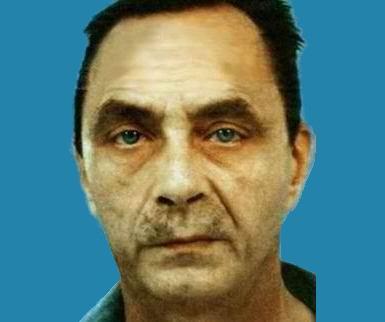
| Legal Identity | Cédric Tornay |
| Confirmed Victims | 2 |
| Attributed / Indicted Victims | 2 |
| Active Timeline | May 4, 1998 |
| Jurisdiction / Area of Operations | Vatican City |
| Criminological Classification | Passionate killer / Suicide |
| Forensic Modus Operandi | Use of service firearm (SIG P75) |
| Weapon / Mechanism of Death | Service pistol |
| Motive / Behavioral Dynamics | Passionate conflict and hierarchical resentment |
| Judicial Outcome | Case closed due to perpetrator's suicide |
1. Background and Psychopathy
Cédric Tornay was a Swiss Guard corporal from the Valais canton. He felt marginalized within the Swiss Guard, which was dominated by German-speaking Swiss. Reports indicate a turbulent homosexual relationship with his commander, Alois Estermann, which soured due to professional grievances and personal betrayal.
2. Crime Spree
On May 4, 1998, the same day Estermann was confirmed as commander, Tornay entered Estermann's apartment. He shot and killed Estermann and his wife, Gladys Meza, before taking his own life with his service weapon.
3. Investigation and Arrest
Official Vatican investigations ruled the event a murder-suicide triggered by mental instability. Independent forensic experts hired by Tornay's family challenged these findings, citing inconsistencies in the autopsy and the crime scene, leading to persistent theories of a cover-up.
4. Legal Proceedings and Outcome
No criminal trial occurred as the perpetrator died at the scene. The Vatican concluded its investigation after nine months, maintaining the official narrative of a crime of passion committed by a mentally unstable guard.