




Forensic & Criminological Matrix
| Parameter | Forensic Detail |
|---|---|
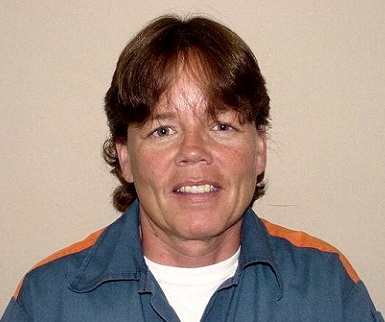
| Forensic Heading / Aliases | Virginia Caudill |
| Legal Identity | Virginia Susan Caudill |
| Confirmed Victims | 1 (Lonetta White, 73) |
| Active Timeline | March 15, 1998 |
| Jurisdiction / Area of Operations | Lexington, Fayette County, Kentucky, USA |
| Criminological Classification | Accomplice Murderer / Substance Abuse-Driven Violent Offender |
| Forensic Modus Operandi | Ruse or forced home invasion, brutal blunt-force trauma to the skull utilizing a hammer, property theft, placing the body in the victim's car trunk, and torching the vehicle in a rural area to destroy forensic evidence. |
| Weapon / Mechanism of Death | Roofer's hammer / blunt force trauma combined with thermal injuries from arson |
| Motive / Behavioral Dynamics | Acquisition of money to purchase crack cocaine and personal grievances |
| Judicial Outcome | Sentenced to death on March 24, 2000, by the Fayette Circuit Court for murder, first-degree robbery, first-degree burglary, second-degree arson, and tampering with physical evidence. Convictions upheld on appeal by the Kentucky Supreme Court. |
1. Background and Psychopathy
Virginia Susan Caudill was born on September 10, 1960. Her life trajectory prior to the capital offense was heavily influenced by chronic substance abuse, specifically crack cocaine addiction. She had been cohabitating with Steve White, the victim's son, but the relationship deteriorated and ended abruptly days before the murder following arguments over her drug habits. After leaving the residence, Caudill frequented local crack houses in Lexington, associating with marginal networks involved in petty crime and illicit substances.
2. Crime Spree
During the early morning hours of March 15, 1998, Virginia Caudill and accomplice Johnathan Wayne Goforth targeted the home of 73-year-old Lonetta White in Lexington, Kentucky, primarily motivated by the immediate need for cash to buy drugs. Gaining entry through manipulation or forced breach—differing accounts were provided by both defendants at trial—the elderly victim was savagely beaten with a hammer and heavy objects, resulting in catastrophic cranial destruction.
Following the homicide, the perpetrators ransacked the residence, stealing firearms, jewelry, and a mink coat. In an effort to conceal the crime and obliterate forensic traces, they wrapped White's body in a carpet, loaded it into the trunk of her own automobile, and drove both vehicles to an isolated rural location in Fayette County, where they doused the car in gasoline and set it ablaze, rendering the victim's body unrecognizable.
3. Investigation and Arrest
The forensic investigation commenced immediately following the discovery of the burning vehicle and the charred remains inside. Autopsy and dental records positively identified the victim as Lonetta White. Police detectives rapidly focused on Caudill through circumstantial evidence, jailhouse informant testimonies, and blood spatter analysis conducted by forensic examiners on Caudill's footwear.
4. Legal Proceedings and Outcome
Caudill and Goforth were jointly tried before a jury in the Fayette Circuit Court. Throughout the proceedings, each defendant attempted to shift primary blame onto the other regarding the actual infliction of lethal force. The jury rejected their defenses and found both guilty of murder, first-degree robbery, first-degree burglary, second-degree arson, and tampering with physical evidence. On March 24, 2000, Caudill was sentenced to death, making her for years the sole female inmate on Kentucky's death row. Subsequent appeals claiming ineffective assistance of counsel and evidentiary errors were denied by the state Supreme Court.
5. Psychiatric Evaluation and Outcome
From a criminological perspective, Caudill's offense exemplifies an instrumental homicide driven by chemical dependency and acute desperation. Her actions reflected a profound betrayal of domestic trust paired with excessive physical brutality aimed at witness elimination and forensic obfuscation via arson. The case remains a prominent landmark in Kentucky penal jurisprudence regarding capital co-defendant liability and forensic bloodstain interpretation.