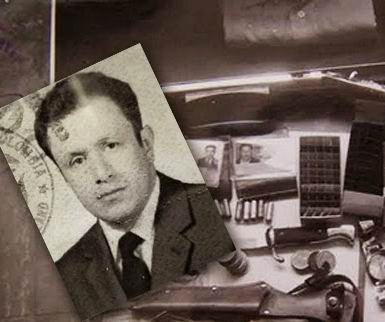




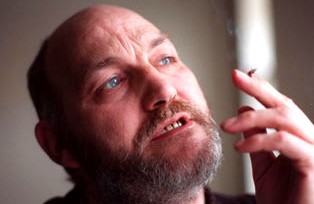
Forensic & Criminological Matrix
| Parameter | Forensic Detail |
|---|---|
| Full Legal Name | Campo Elías Delgado Morales |
| Media Monikers | The Pozzetto Massacre Killer, The Butcher of Chapinero |
| Nationality | Colombian (veteran serviceman of the United States Army) |
| Date of Birth | May 14, 1934 (or June 24, 1934), Durania, Norte de Santander, Colombia |
| Date of Death | December 4, 1986 (aged 52, killed inside the Pozzetto restaurant during police tactical assault) |
| Historical Penal Status | Deceased at the crime scene following armed confrontation with law enforcement |
| Confirmed Murder Victims | 29 verified fatalities (including his biological mother and a 15-year-old student) |
| Injured Survivors | 15 wounded victims suffering severe firearm and stab injuries |
| Date of Mass Spree | Thursday, December 4, 1986 (from 14:00 to 22:30 COT) |
| Geographic Crime Locations | Bogotá, Colombia: Chicó Norte residence, Calle 52 apartment complex (Chapinero), and Pozzetto Restaurant (Carrera 7 with Calle 61) |
| Lethal Weaponry | Llama .32 Long caliber revolver loaded with expanding ammunition, fixed-blade military combat knife, and extensive reserve cartridges |
| Forensic & Cultural Significance | Deadliest individual mass shooting spree in modern Colombian history; served as the central subject of Mario Mendoza's celebrated novel Satanás and its cinematic adaptation |
| Diagnostic Motive | Acute paranoid psychotic breakdown, combat-related chronic post-traumatic stress disorder (PTSD), misanthropy, and unresolved matricidal rage |
1. Criminological Trajectory and Military Background
Campo Elías Delgado Morales was born in rural Norte de Santander. Emotionally traumatized by his father's early suicide, he endured a deeply suffocating, conflictive relationship with his mother, Rita Elisa Morales.
In the 1960s, Delgado migrated to the United States and enlisted in the U.S. Army. He served two tours in the Vietnam War as an infantryman and field medical technician. The combat horrors of Southeast Asia produced profound psychiatric pathology: persistent nightmares, emotional numbing, explosive hostility, and clinical paranoia.
Repatriating to Colombia in the 1980s, Delgado resided in a modest Chapinero apartment in Bogotá with his aging mother. He supported himself as a private English tutor and literature scholar, frequenting university libraries. Neighbors described him as an eccentric, impeccably dressed loner obsessively fascinated by Robert Louis Stevenson's Strange Case of Dr Jekyll and Mr Hyde.
2. The Spree Begins (December 4, 1986)
On the morning of December 4, 1986, Delgado closed his bank account, withdrawing all savings in cash. That afternoon, he embarked on his catastrophic multi-site rampage:
- The Chicó Norte Slayings: At 2:00 PM, he arrived at the apartment of his 15-year-old English pupil, Claudia Rincón, on Calle 118. Inside, Delgado gagged and bound both Claudia and her mother, Nora Becerra. He then slaughtered both by slitting their throats with his military combat knife.
- Matricide in Chapinero: At 5:30 PM, Delgado returned to his home apartment. Following a confrontation with his 72-year-old mother, he severed her jugular with his knife, wrapped her corpse in newspapers and bedsheets, doused it in gasoline, and set it on fire.
- The Apartment Stairwell Massacre: Armed with his .32 revolver and knife, he ran through the corridors shouting that a fire had erupted. When panicked neighbors opened their doors to assist, Delgado gunned them down and stabbed them at point-blank range, killing six residents, including two university students.
3. The Pozzetto Restaurant Massacre
Hailing a taxi on the street, Delgado traveled to Carrera 7 and Calle 61, arriving at Pozzetto, an upscale Italian restaurant he frequented:
- The Calm Dinner: Carrying an executive briefcase containing his revolver and hundreds of rounds of ammunition, he entered at 7:30 PM. He requested a corner table, ordered spaghetti bolognese, and drank two glasses of vodka in total tranquility.
- The Indiscriminate Shooting: At 8:15 PM, having settled the check, Delgado stood up, drew his .32 revolver, and discharged a point-blank shot into the head of a woman dining at an adjacent table. He systematically swept through the dining room firing at patrons, waitstaff, and entire families.
- Tactical Reloading: As he depleted the revolver's cylinder, he took tactical cover behind architectural pillars to reload loose ammunition from his overcoat pockets, delivering coup-de-grâce shots to injured victims trapped beneath tables. Inside the restaurant alone, he murdered 22 people and wounded fifteen others.
4. Police Intervention and Fatal Climax
Responding to emergency dispatches, National Police patrol officers approached the restaurant and were repelled by heavy gunfire from the windows. Moments later, a heavily armed tactical police assault team breached the premises:
- A sustained firefight ensued in the smoke-filled, dim interior of the dining hall.
- Delgado was brought down in the central aisle after taking multiple police rounds to the chest and neck (although post-mortem forensic reports also identified a potential self-inflicted contact wound to the left temple as police closed in).
- The final toll stood at 29 dead and 15 wounded, marking one of the darkest and most infamous massacres in South American criminal annals.