Forensic & Criminological Matrix
| Parameter | Forensic Detail |
|---|---|
| Forensic Heading / Aliases | Geno, Gino |
| Legal Identity | Genaro Ruiz Camacho Jr. |
| Confirmed Victims | 3 |
| Attributed / Indicted Victims | 5 |
| Active Timeline | 1988 |
| Jurisdiction / Area of Operations | Texas, United States |
| Criminological Classification | Organized Murderer / Drug Trafficker |
| Forensic Modus Operandi | Kidnapping, summary execution, and body disposal |
| Weapon / Mechanism of Death | Firearm (gunshot wound to the head) |
| Motive / Behavioral Dynamics | Drug debt collection and criminal intimidation |
| Judicial Outcome | Death penalty (lethal injection) |
1. Background and Profile
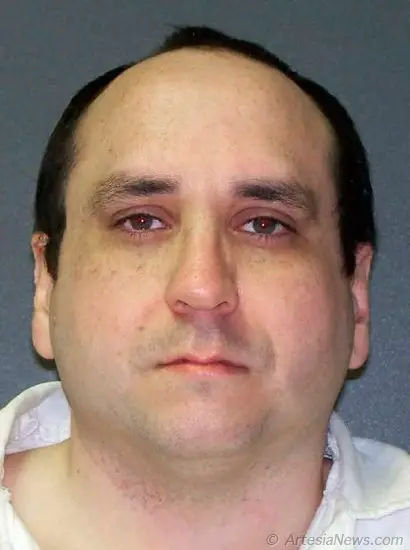
Genaro Ruiz Camacho Jr. was a mid-level drug dealer operating in the Dallas, Texas area. He was characterized by law enforcement as a ruthless individual who utilized extreme violence to enforce drug debts and maintain control over his criminal enterprise.
2. Criminal Career and Modus Operandi
On May 20, 1988, Camacho led a group to a home in Pleasant Grove to collect a heroin debt. David L. Wilburn was shot in the back of the head upon their arrival. Camacho subsequently abducted Evellyn Banks and her three-year-old son, Andre, executing them three days later and burying their bodies in Oklahoma.
3. Investigation and Arrest
Following the murders, Camacho fled to Mexico. The FBI tracked him to Arcelia, Guerrero, but deemed a direct arrest too dangerous due to the presence of local drug cartels. He was eventually lured back to the United States and arrested near McAllen, Texas.
4. Legal Proceedings and Outcome
Camacho was convicted in federal court. Despite defense arguments regarding witness credibility and alleged evidence withholding, he was sentenced to death. He was executed on August 26, 1998, at the Walls Unit in Huntsville, Texas.