



Forensic & Criminological Matrix
| Parameter | Forensic Detail |
|---|---|
| Forensic Heading / Aliases | The Gaffney Killer |
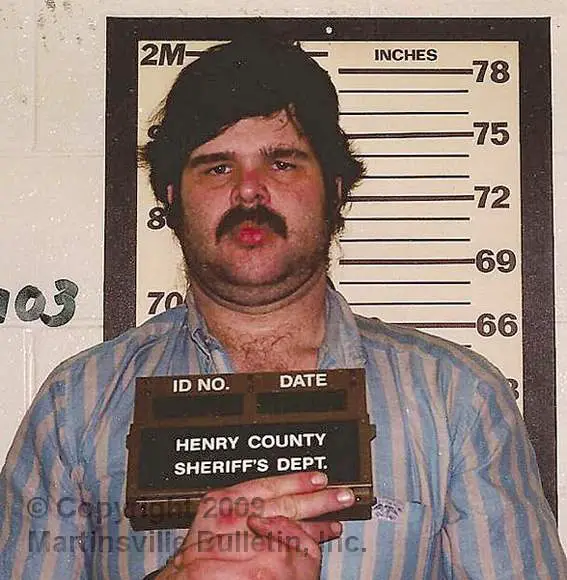
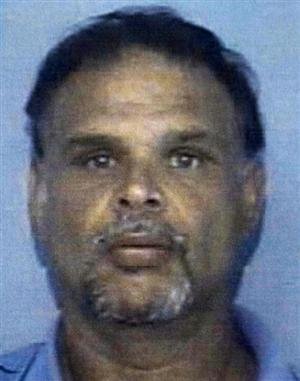
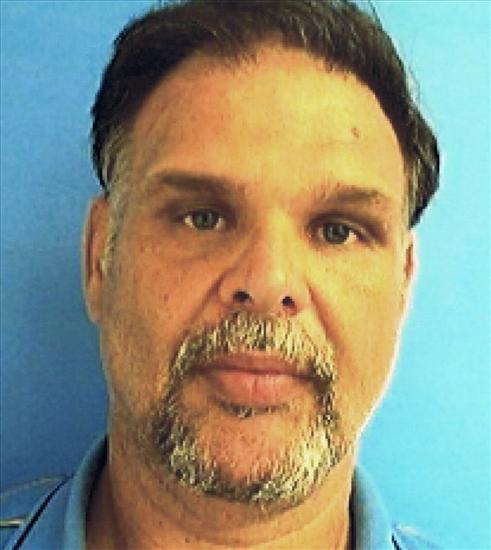
| Legal Identity | Patrick Tracy Burris |
| Confirmed Victims | 5 |
| Attributed / Indicted Victims | 6 |
| Active Timeline | June 27, 2009 – July 4, 2009 |
| Jurisdiction / Area of Operations | Gaffney, South Carolina & Dallas, North Carolina, USA |
| Criminological Classification | Serial Killer / Habitual Criminal |
| Forensic Modus Operandi | Rural home and business invasions, subduing victims with restraints, and executing them with small-caliber firearms |
| Weapon / Mechanism of Death | Semiautomatic handgun (ballistically linked to murders) |
| Motive / Behavioral Dynamics | Financial gain, robbery, and chronic violent criminality supported by a 25-page rap sheet |
| Judicial Outcome | Shot and killed by police in a shootout on July 6, 2009 (prosecution abated by death) |
1. Background and Profile
Patrick Tracy Burris possessed a lengthy criminal record spanning over 25 pages, featuring convictions for property crimes, burglaries, armed robberies, and extortion. Law enforcement officials characterized him as an unpredictable, highly dangerous repeat offender. He had recently completed an eight-year prison sentence in North Carolina and was released on supervised parole in April 2009. Shortly after his release, he began violating parole conditions, prompting authorities to issue a warrant for his arrest just prior to his lethal crime spree.
2. Crime Spree and Modus Operandi
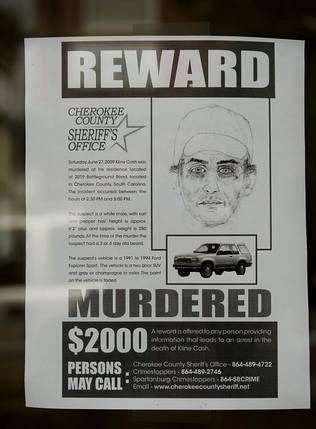
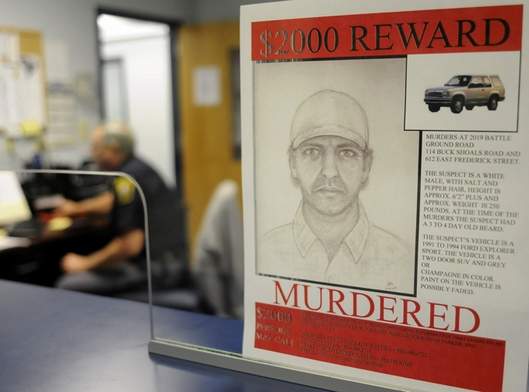
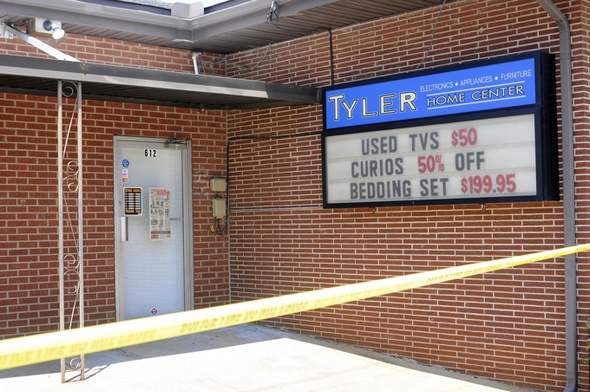
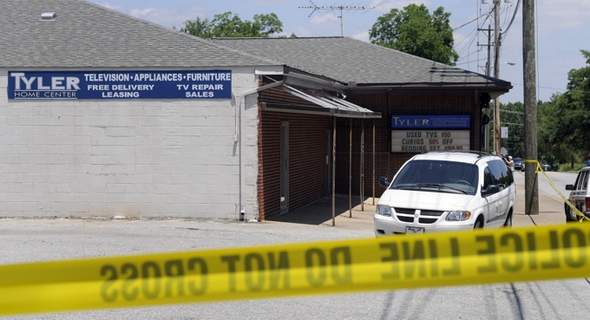
Burris's murder spree unfolded over six days in Cherokee County, South Carolina. On June 27, 2009, he committed his first known murder in Gaffney, shooting 63-year-old peach farmer Kline Cash in his living room after posing as a prospective hay buyer. On July 1, he broke into another home, binding and executing 83-year-old Hazel Linder and her 50-year-old daughter, Gena Linder Parker. On July 2, he attacked a family appliance store in Gaffney, killing 45-year-old Stephen Tyler and severely injuring his 15-year-old daughter Abby, who succumbed to her injuries on July 4, bringing the death toll to five.
3. Investigation and Manhunt
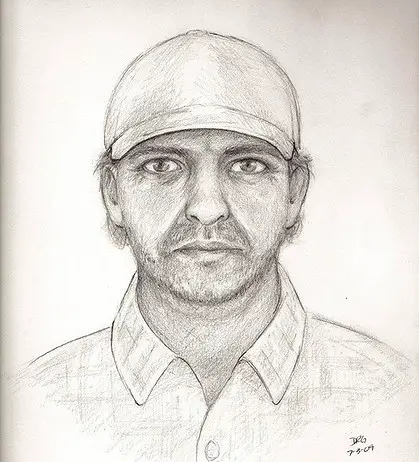
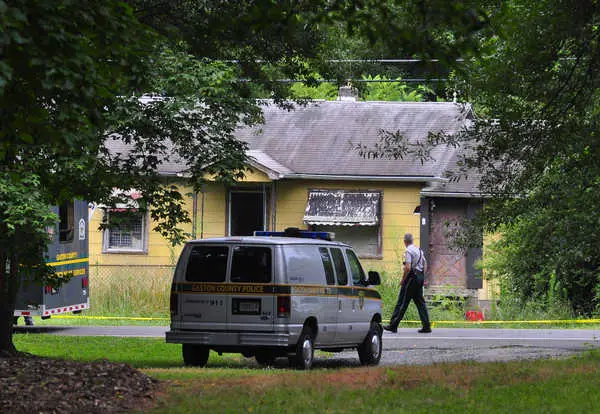
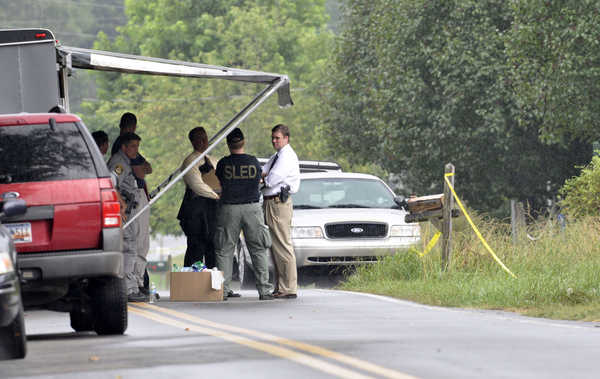
The rapid sequence of murders triggered a massive joint task force involving law enforcement agencies from South and North Carolina, including the SLED and the SBI. Ballistic testing from the crime scenes quickly established that the same firearm was used in all the Gaffney homicides. Investigators also examined potential links between Burris and other unsolved regional crimes, such as a home invasion murder in Mooresville earlier that June.
4. Investigation and Arrest
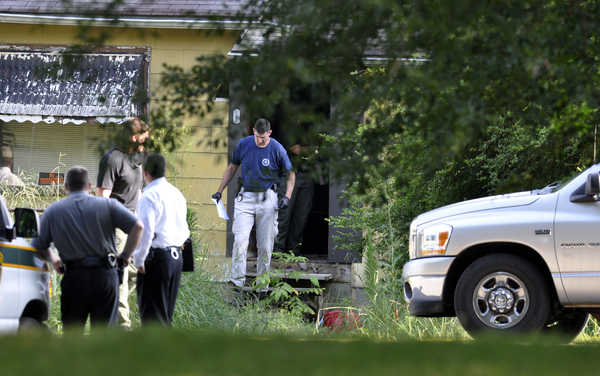
On July 6, 2009, police officers in Dallas, North Carolina, responded to a reported burglary at an unoccupied residence. Upon entering, they encountered Burris and checked his background, discovering an active warrant for probation violation. When officers attempted to arrest him, Burris opened fire, striking a police officer in the leg. Officers returned fire, killing Burris at the scene. Subsequent forensic and ballistic analysis confirmed that Burris's handgun matched the bullets recovered from the Gaffney murder victims.
5. Psychiatric Assessment and Aftermath
Because Burris died during the shootout with law enforcement, criminal prosecution was abated by death. Investigators and forensic experts described him as a predatory and volatile offender whose release highlighted systemic shortcomings in supervising career criminals. Ballistic and physical evidence conclusively closed the active investigation into the Gaffney murders, resolving one of the most violent serial sprees in the region's recent history.