




Forensic & Criminological Matrix
| Parameter | Forensic Detail |
|---|---|
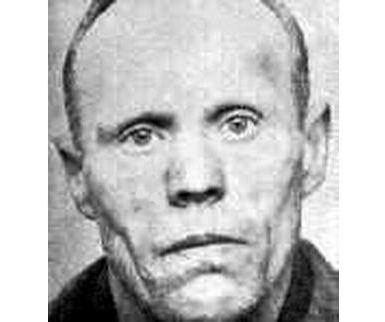
| Forensic Heading / Aliases | Tommy Burns |
| Legal Identity | Tom Lionel Burns |
| Confirmed Victims | 0 (Unconvicted due to insanity ruling) |
| Attributed / Indicted Victims | 2 |
| Active Timeline | June 1958 |
| Jurisdiction / Area of Operations | Barrow-in-Furness, Cumbria, United Kingdom |
| Criminological Classification | Child serial/multiple killer / Sadistic sexual offender |
| Forensic Modus Operandi | Abduction and sexual assault followed by knife wounds and concealment of bodies within a residential bedroom |
| Weapon / Mechanism of Death | Edged weapon (knife) |
| Motive / Behavioral Dynamics | Severe psychiatric disorder, criminal deviance, and sadistic sexual gratification |
| Judicial Outcome | Found insane and unfit to plead at Lancaster Assizes (October 1958); remanded indefinitely to a secure psychiatric facility |
1. Background and Profile
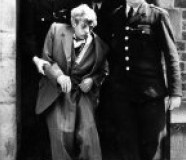
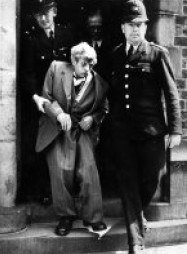
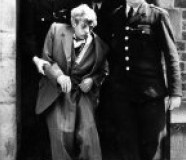
Tom Lionel Burns, a 70-year-old chauffeur originally from the south of England, resided in Barrow-in-Furness, Cumbria. Locally recognized for his distinct physical appearance—suffering from a severe spinal curvature (hunchback)—and his penchant for playing the piano, Burns maintained the facade of an ordinary citizen while harboring severe psychopathological deviations directed toward minors.
2. Crime Spree
In June 1958, two five-year-old girls went missing in Barrow-in-Furness, triggering an extensive community-wide search. After two days, the naked bodies of both children were discovered hidden inside a bedroom at 32 York Street. Post-mortem examinations confirmed that the victims had been subjected to severe sexual violence and fatal knife wounds.
3. Investigation and Arrest
British police rapidly zeroed in on Burns as the primary suspect. Investigators gathered critical physical evidence linking him to the crime scene. According to police testimony at the time, Burns made incriminating statements indicating that sexual impulses drove him to commit the murders. The gruesome nature of the crimes provoked intense public outrage, resulting in hostile demonstrations by local residents outside his residence.
4. Legal Proceedings and Outcome
Burns was formally arraigned and stood trial at Lancaster Assizes in October 1958. However, psychiatric evaluations demonstrated that he was mentally incapacitated and incapable of understanding the charges or participating in his own defense. Consequently, the jury returned a verdict of insanity, finding him unfit to stand trial.
5. Psychiatric Assessment and Aftermath
Because of his legal classification as insane, Burns avoided standard criminal sentencing and was committed indefinitely to a secure psychiatric hospital. The case remains a chilling milestone in British forensic history, leaving a lasting stigma on the property and the local community of Barrow-in-Furness.