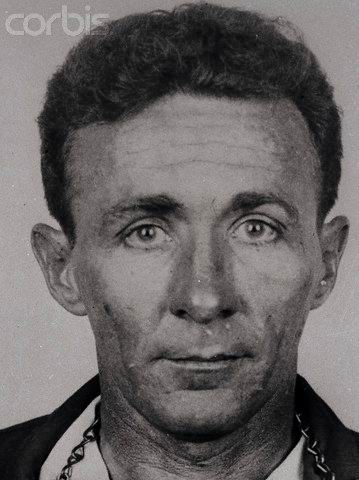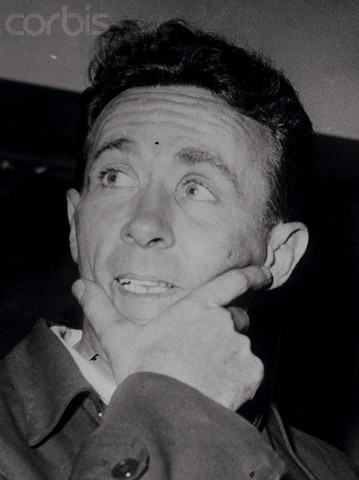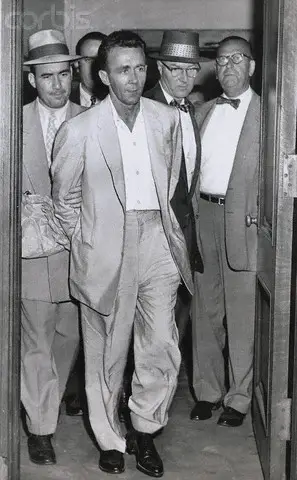




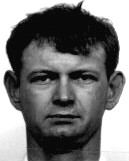
Forensic & Criminological Matrix
| Parameter | Forensic Detail |
|---|---|
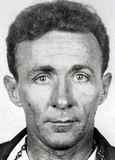
| Forensic Heading / Aliases | Trigger |
| Legal Identity | Elmer Francis Burke |
| Confirmed Victims | 2 |
| Attributed / Indicted Victims | 2 |
| Active Timeline | 1940 - 1950 |
| Jurisdiction / Area of Operations | New York, USA |
| Criminological Classification | Contract Killer / Organized Crime Enforcer |
| Forensic Modus Operandi | Targeted executions via close-range shots behind the ear and systematic shakedowns |
| Weapon / Mechanism of Death | Firearms (handgun) |
| Motive / Behavioral Dynamics | Personal vengeance, organized crime, and financial gain |
| Judicial Outcome | Sentenced to death and executed by electrocution in 1958 |
1. Background and Profile
Elmer Francis Burke was brought up by his older brother, Charlie. In 1941, he was sent to a reform school, a sentence that was later commuted when he enlisted in the United States Army. He served valiantly as an Army Ranger during the Italian campaign. Following his discharge, his involvement in criminal activities persisted, leading to prison sentences for robbery and armed holdups.
2. Crime Spree and Modus Operandi
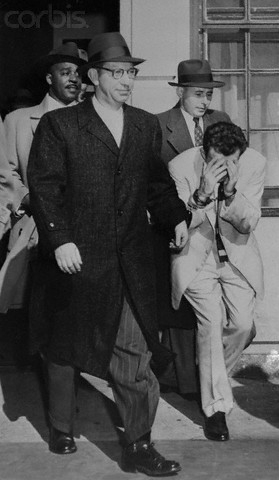
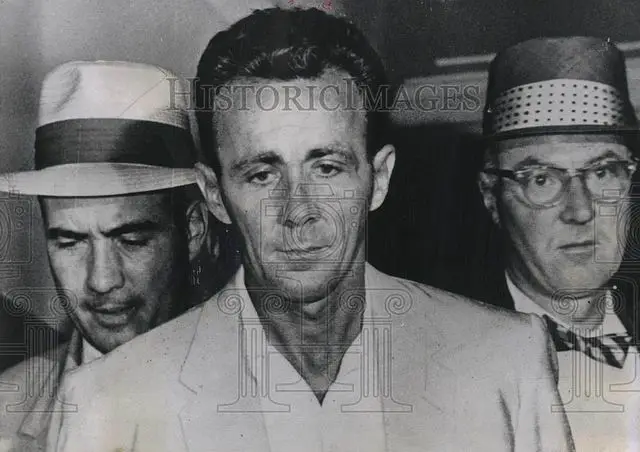
Earning the moniker "Trigger" because of his signature execution style—shooting victims directly behind the ear—Burke operated as an enforcer and hitman in Manhattan. He systematically shook down local businesses for protection money. His life took a definitive violent turn when his brother and idol, Charlie, was murdered by George Goll. After Goll was arrested and subsequently released, Burke tracked him down and shot him dead in Manhattan to avenge his brother.
3. Investigation and Law Enforcement Pursuit
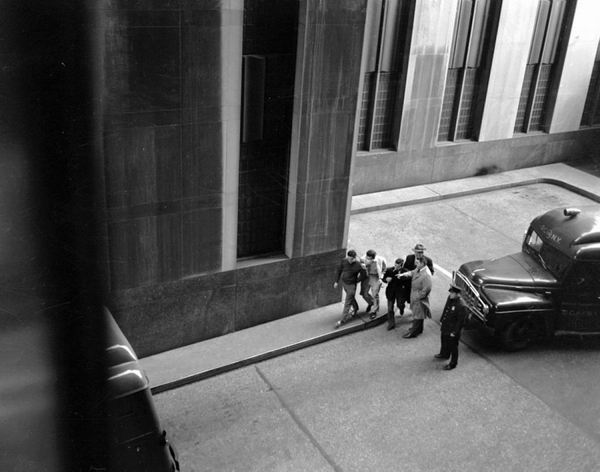
New York law enforcement agencies targeted Burke due to his escalating pattern of contract hits and protection rackets. His distinctive modus operandi linked him to multiple violent incidents across the metropolitan area, culminating in an intensive manhunt by city detectives.
4. Legal Proceedings and Outcome
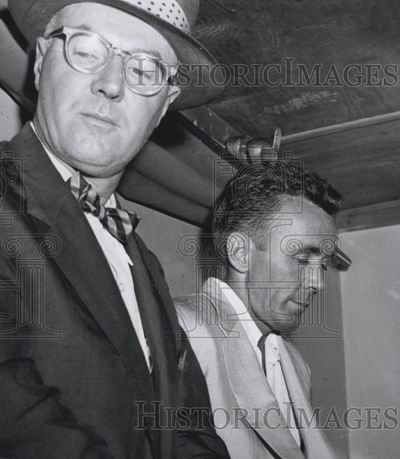
Burke was eventually captured, prosecuted, and convicted of murder and related felony charges. The judicial system handed down a death sentence, sealing his fate within the state's penal system.
5. Psychiatric Evaluation and Final Disposition
Criminological evaluations depicted Burke as a callous, remorseless offender acclimated to extreme street violence. Demonstrating extreme cynicism toward authority, he famously remarked: "He didn't hold up the police station only because they get paid by checks." He was executed in the electric chair in 1958.