



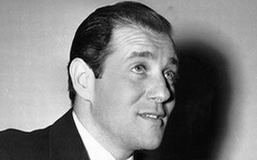
Forensic & Criminological Matrix
| Parameter | Forensic Detail |
|---|---|
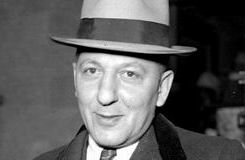
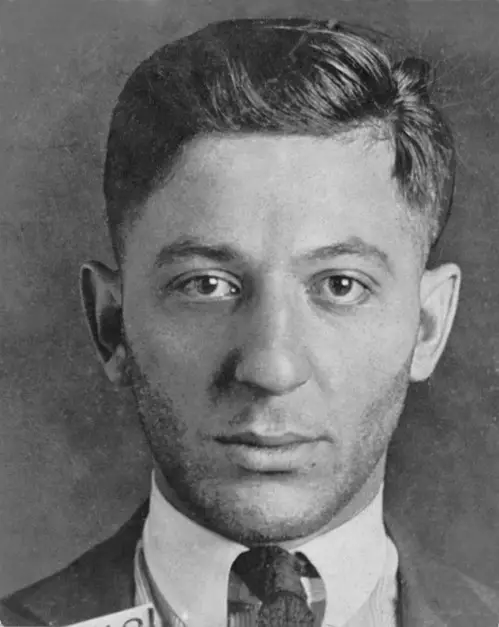
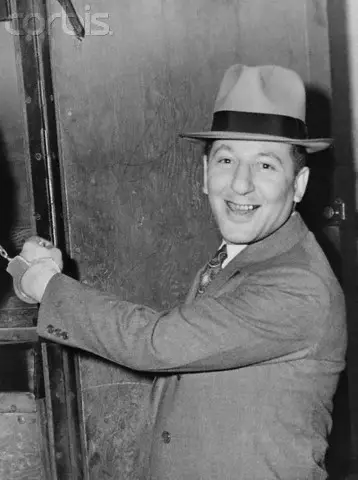
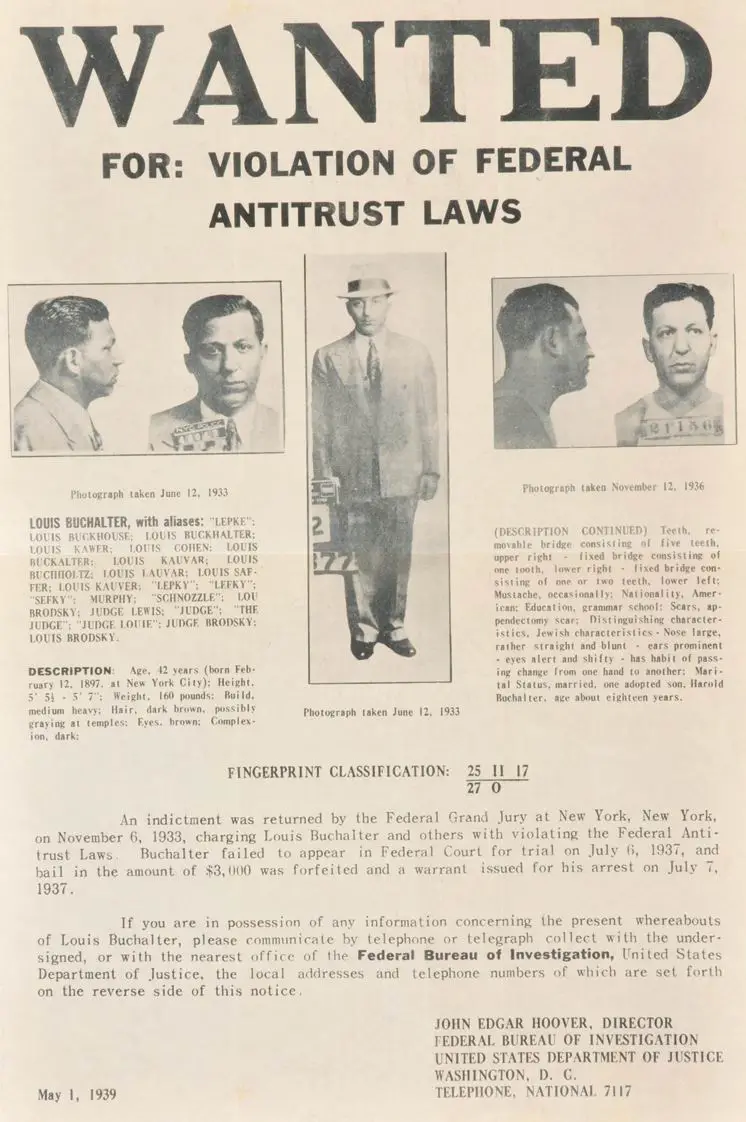
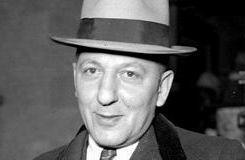
| Forensic Heading / Aliases | Louis "Lepke" Buchalter, Judge Louie |
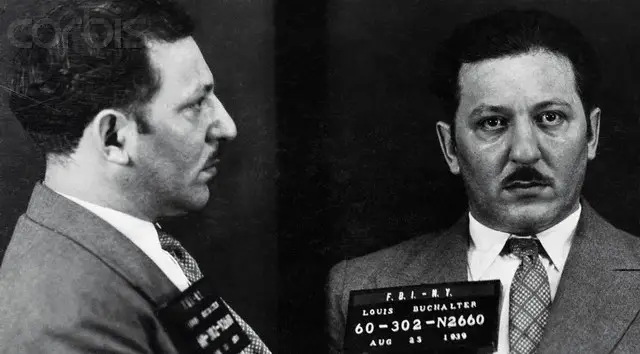
| Legal Identity | Louis Buchalter |
| Confirmed Victims | 1 (Joseph Rosen, for whose murder he was sentenced to death) |
| Attributed / Indicted Victims | Over a dozen contract killings attributed via Murder, Inc. |
| Active Timeline | 1920s – 1940 |
| Jurisdiction / Area of Operations | New York, United States |
| Criminological Classification | Organized crime leader and contract killing mastermind |
| Forensic Modus Operandi | Corporate-style planning of assassinations, utilizing a dedicated enforcement squad (Murder, Inc.) to eliminate witnesses and labor rivals |
| Weapon / Mechanism of Death | Firearms and strangulation |
| Motive / Behavioral Dynamics | Financial control, labor racketeering, and preservation of criminal hegemony |
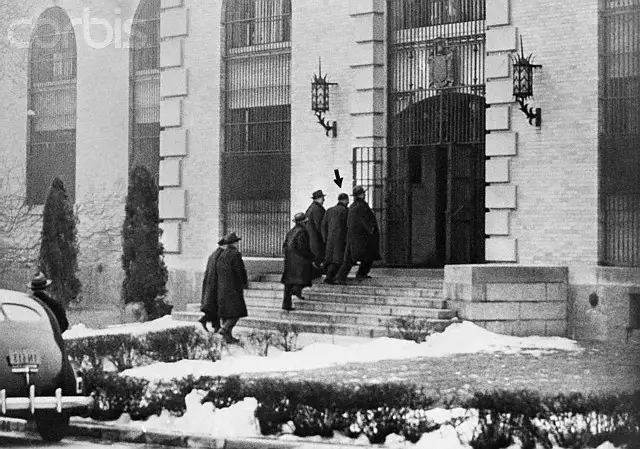
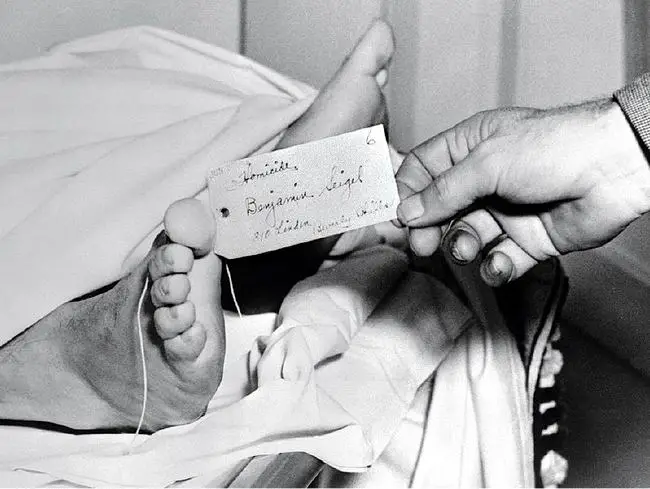
| Judicial Outcome | Convicted of murder and executed in the electric chair at Sing Sing Prison on March 4, 1944 |
1. Background and Profile
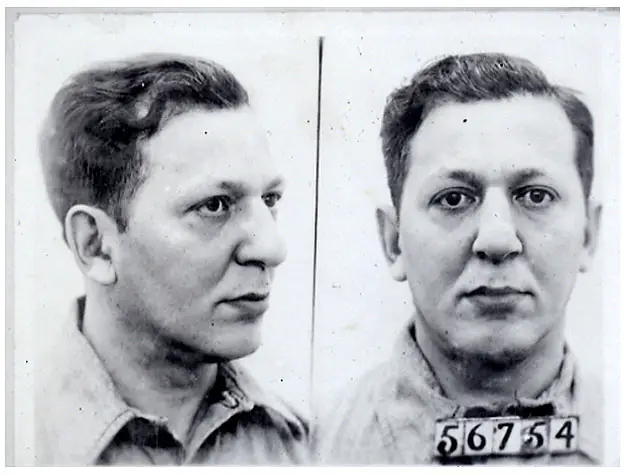
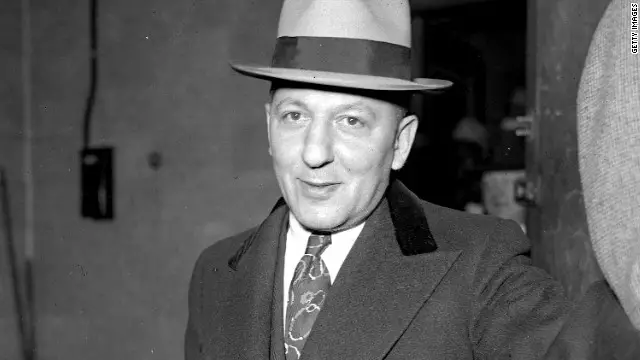
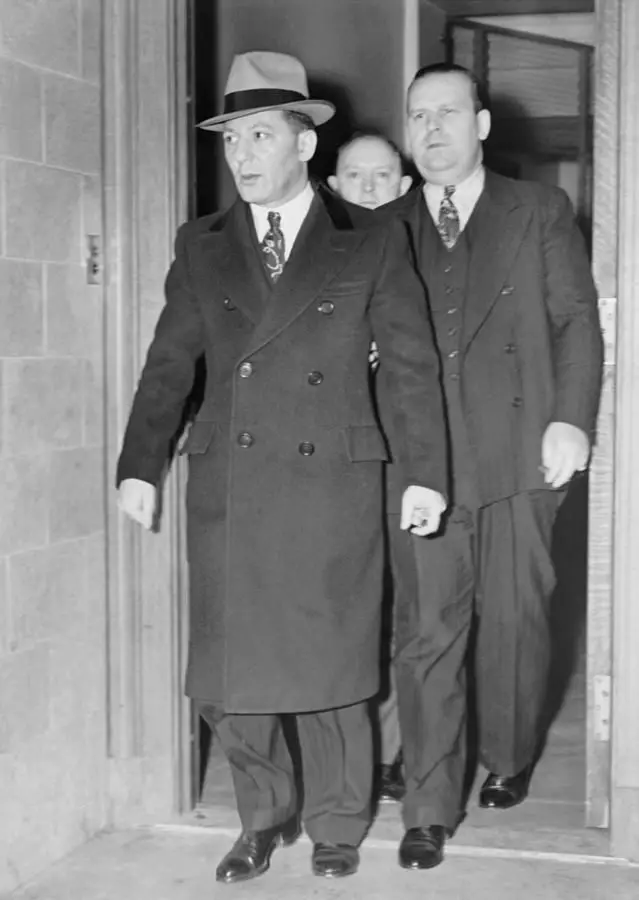
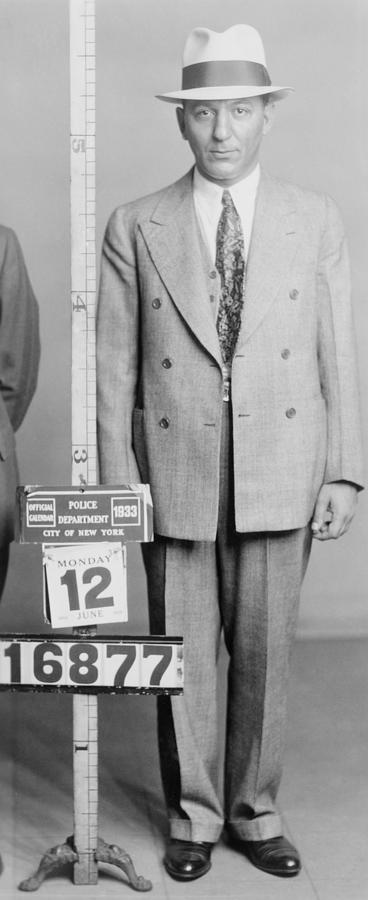
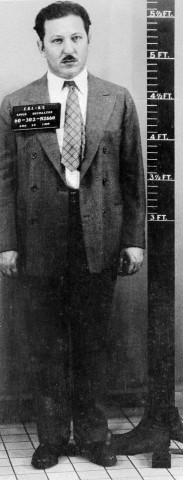
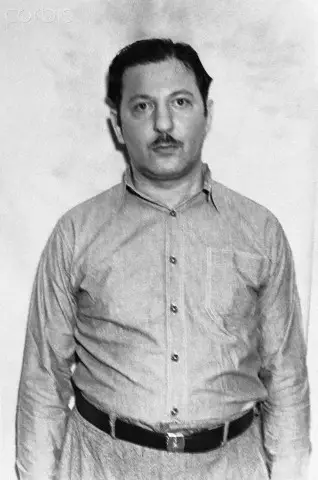
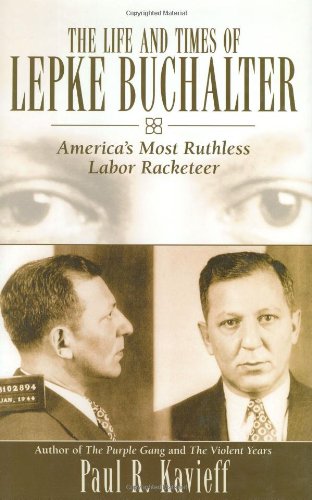
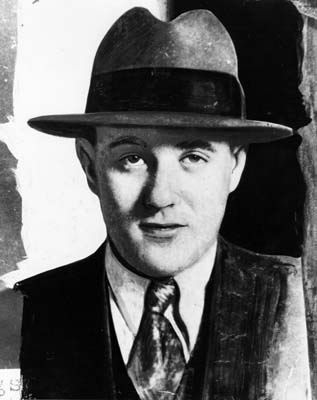
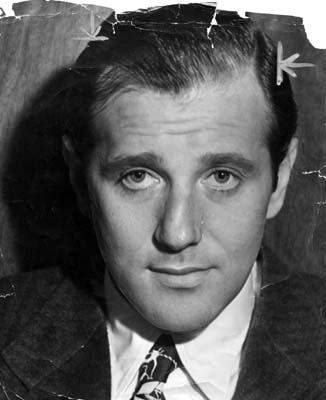
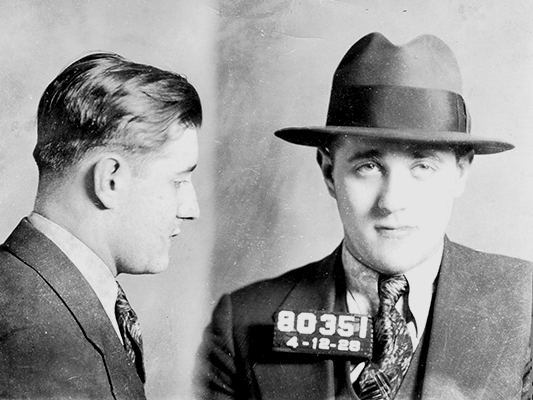
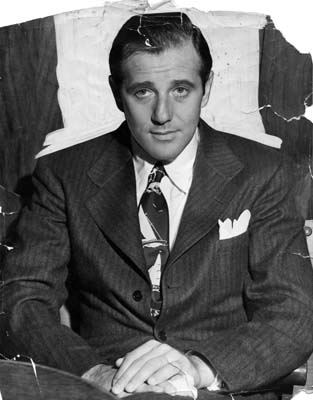
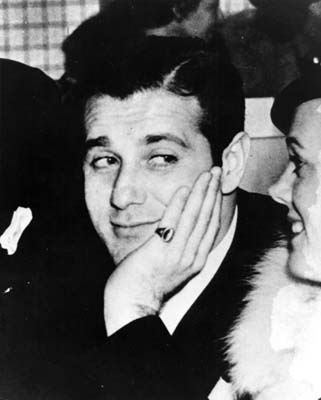
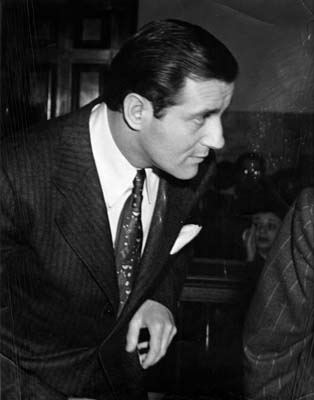
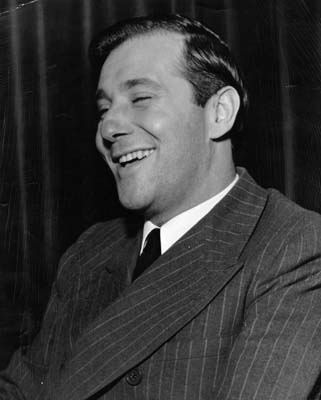
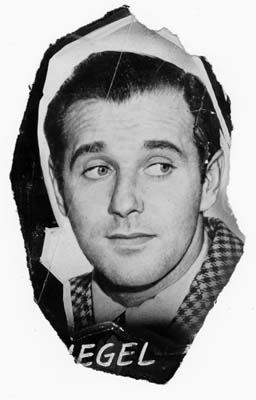
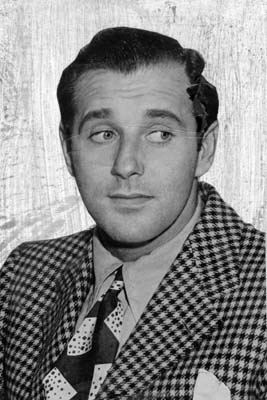
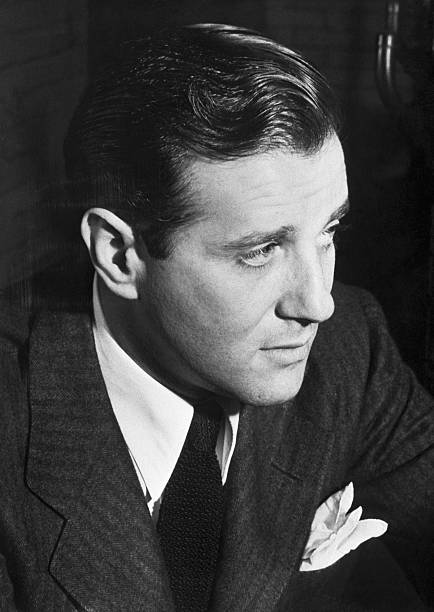
Louis Buchalter was born on the Lower East Side of New York in 1897 to Jewish immigrant parents. Following the early death of his father, he drifted into petty street crime, accumulating juvenile arrests for larceny and assault. His moniker "Lepke" derived from a childhood diminutive, eventually evolving into a feared identifier across the New York underworld.
2. Crime Spree and Modus Operandi
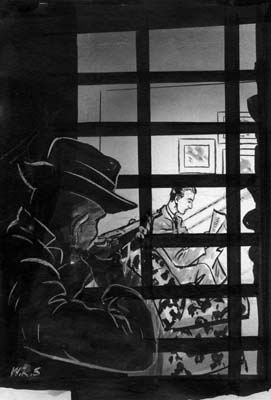
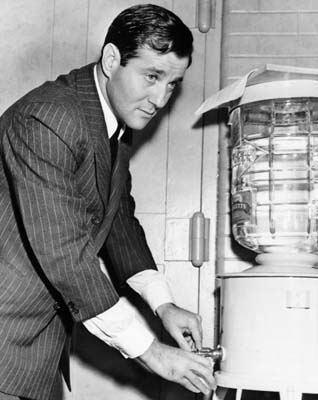
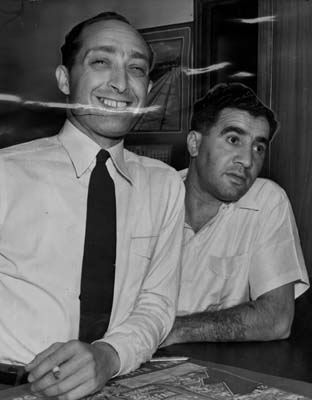
During the 1930s, Buchalter rose to become one of the most powerful and feared figures in American organized crime. He exerted iron control over New York's garment district and labor unions through systematic extortion and violence. To protect and expand his criminal enterprise, he co-managed Murder, Inc., a nationwide syndicate of contract killers responsible for dozens of assassinations.
3. Investigation and Manhunt
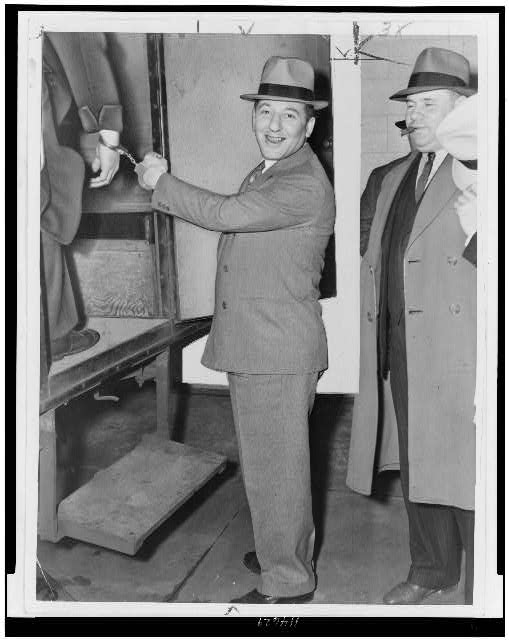
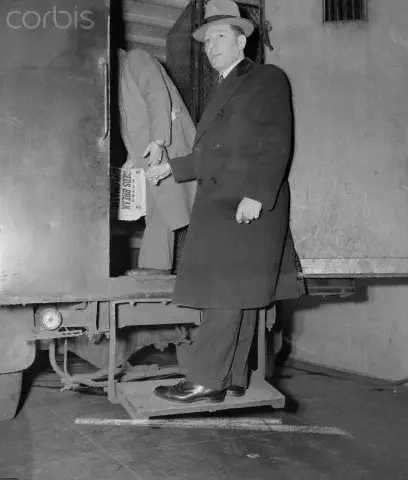
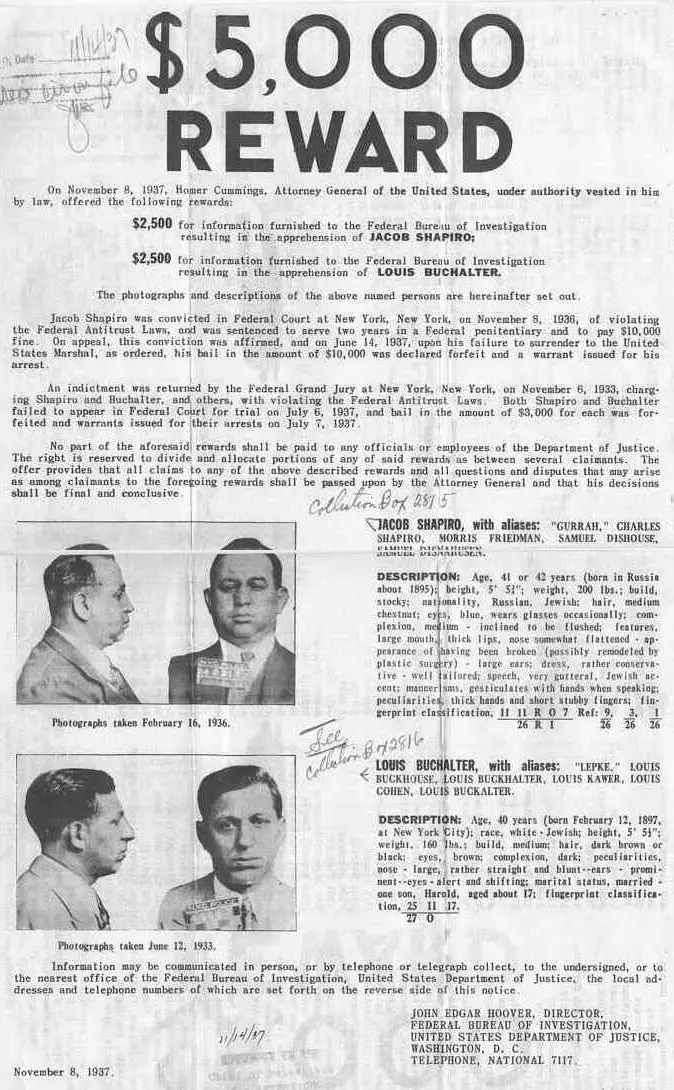
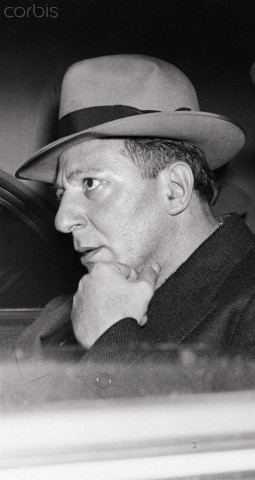
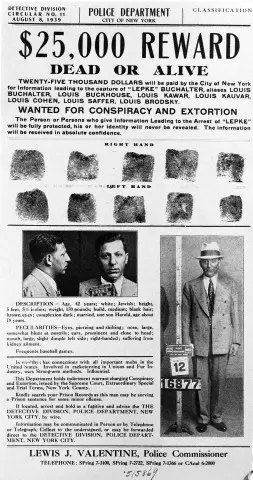
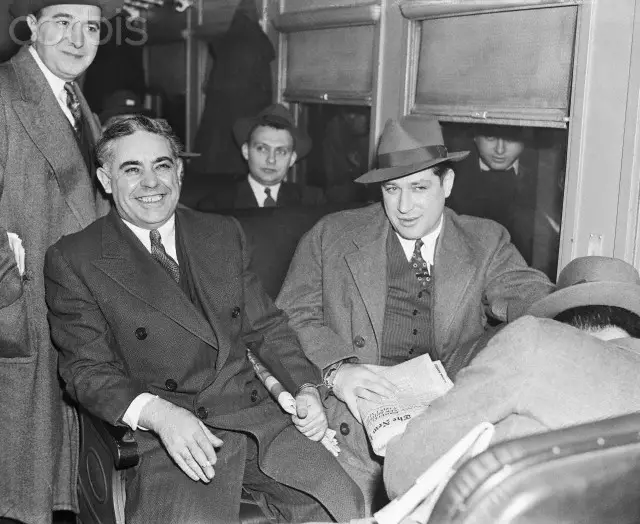
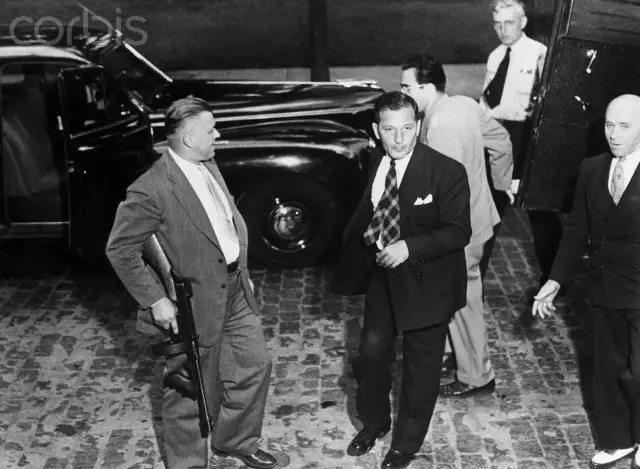
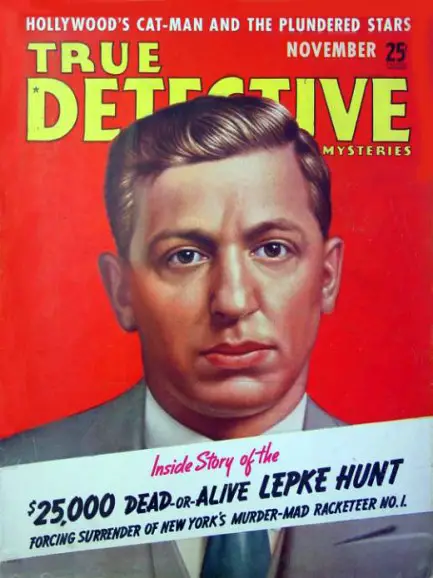
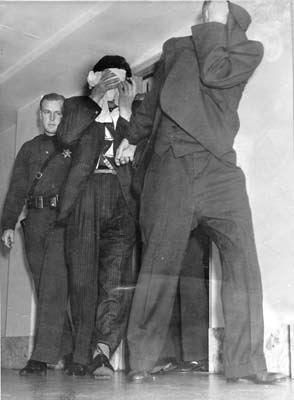
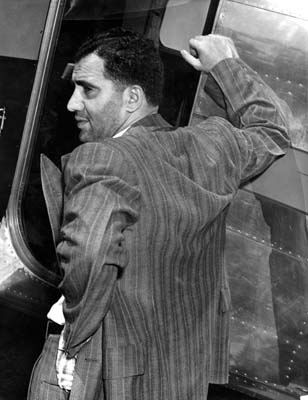
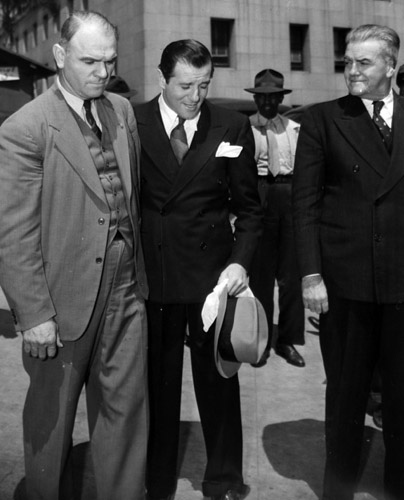
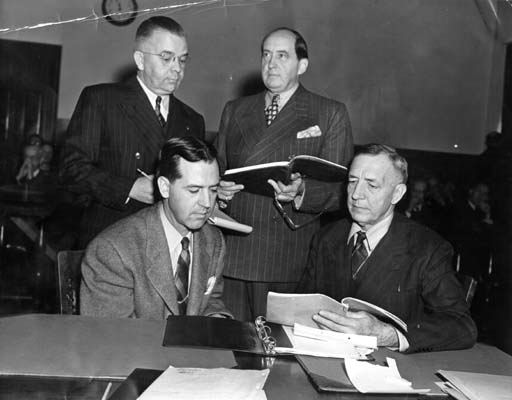
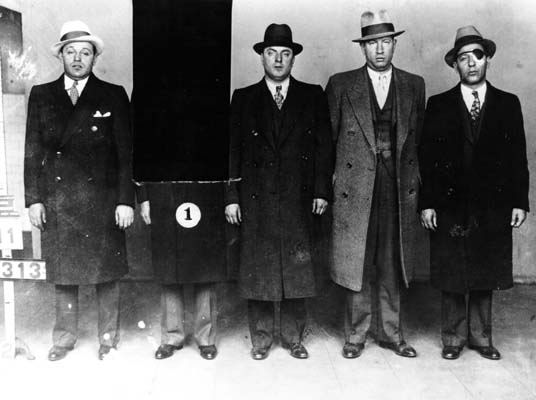
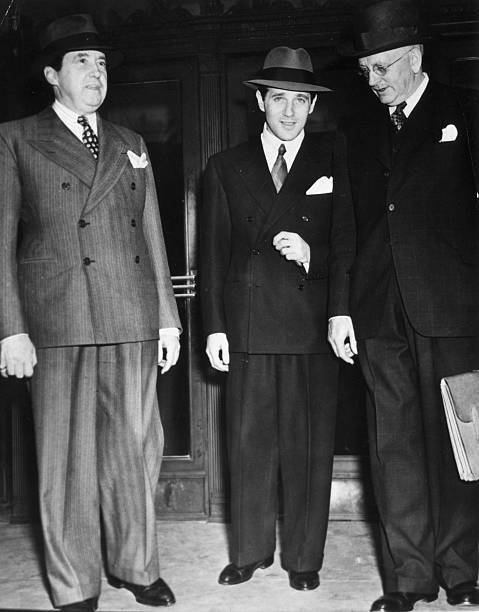
Intensified investigations led by prosecutor Thomas E. Dewey targeted Buchalter as a primary priority for federal and state law enforcement. Becoming a fugitive and one of America's most wanted men, Buchalter went into deep hiding until his surrender in 1939, orchestrated under flawed understandings regarding federal execution immunity.
4. Legal Proceedings and Trial
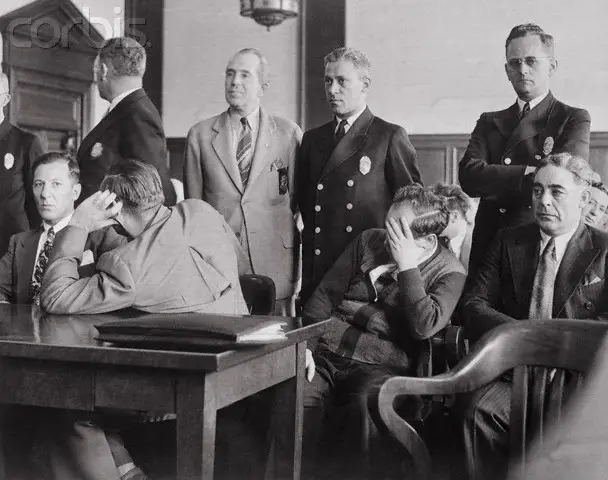
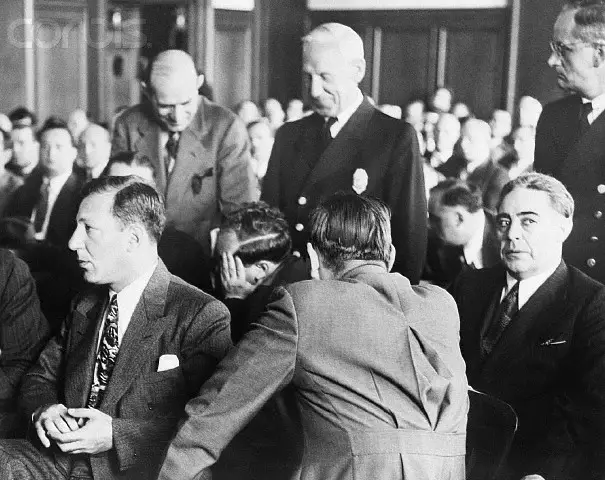
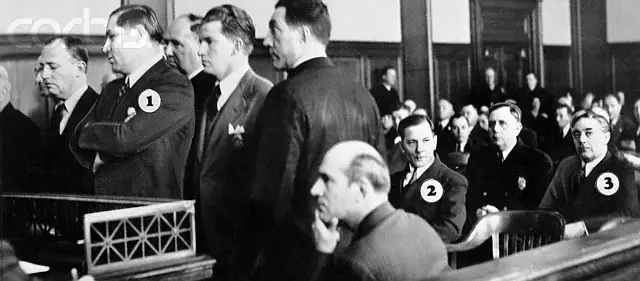
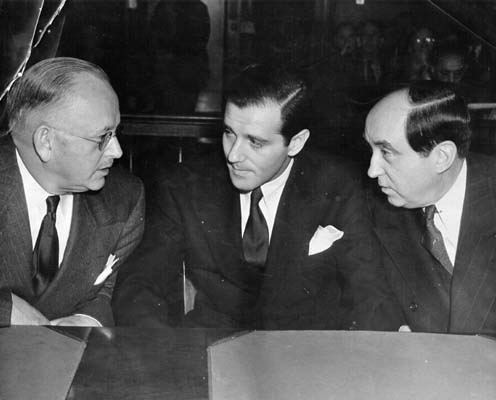
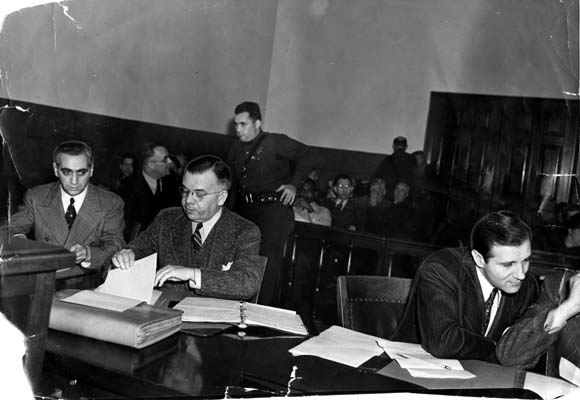
Despite maneuvering to avoid federal penalties, Buchalter was transferred to New York state jurisdiction to stand trial for the murder of candy store owner Joseph Rosen, who had threatened to expose him to authorities. In 1941, a New York court convicted him of first-degree murder, sentencing him to death.
5. Psychological Assessment and Outcome
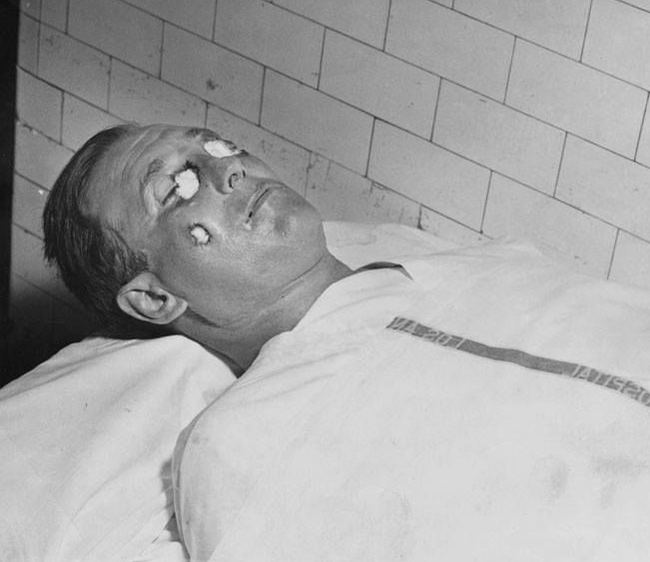
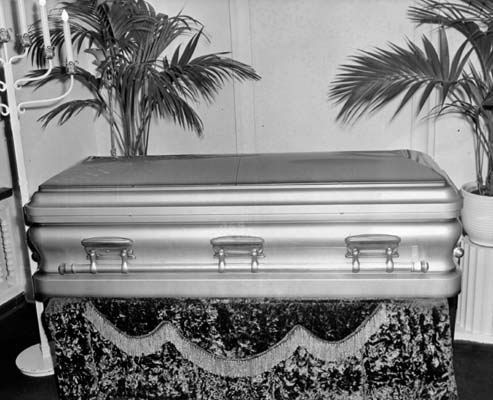
Criminologically, Buchalter exhibited the traits of a calculated, psychopathic enterprise leader who commodified murder to insulate his criminal empire. All appeals having failed, Louis Buchalter was executed via the electric chair at Sing Sing Prison on March 4, 1944, marking the historic execution of the highest-ranking Mafia boss in United States history.