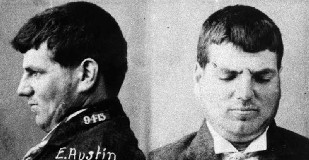
Forensic & Criminological Matrix
| Parameter | Forensic Detail |
|---|---|
| Forensic Heading / Aliases | Kenneth Brown |
| Legal Identity | Kenneth Brown |
| Confirmed Victims | 1 |
| Attributed / Indicted Victims | 1 |
| Active Timeline | 19th Century (1876) |
| Jurisdiction / Area of Operations | Western Australia, Australia |
| Criminological Classification | Homicide offender / Judicially executed |
| Forensic Modus Operandi | Lethal violence within the context of colonial exploration and pastoral expansion in Western Australia. |
| Weapon / Mechanism of Death | Unspecified violent means in colonial historical records. |
| Motive / Behavioral Dynamics | Frontier conflict and interpersonal violence during the colonial era. |
| Judicial Outcome | Death sentence and judicial execution in the 19th century. |
1. Background and Profile
Kenneth Brown (1837–1876) was a prominent figure in the early colonial history of Western Australia, working as a pastoralist, explorer, and landholder in remote frontier regions. His profile reflects the harsh dynamics of 19th-century Australian colonization.
2. Crime Spree
The exact circumstances of his crime involved violent disputes amidst the British colonial expansion in Western Australia, culminating in a homicide and subsequent prosecution under colonial law.
3. Investigation and Arrest
Colonial authorities and magistrates investigated the homicide within a territory lacking permanent police infrastructure, ultimately securing Brown's arrest and committal for trial.
4. Legal Proceedings and Outcome
Brown was tried before the colonial courts of Western Australia, where evidence and testimonies led to a guilty verdict for murder.
5. Psychiatric Assessment and Aftermath
The court sentenced Brown to death by hanging in 1876, marking a representative case of frontier justice and capital punishment in nineteenth-century Australia.