Forensic & Criminological Matrix
| Parameter | Forensic Detail |
|---|---|
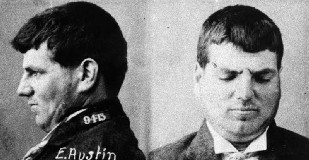
| Forensic Heading / Aliases | Ernest Johnston |
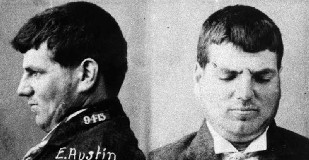
| Legal Identity | Ernest Austin |
| Confirmed Victims | 1 |
| Active Timeline | May 1913 |
| Jurisdiction / Area of Operations | Queensland, Australia |
| Criminological Classification | Child Murderer / Sexual Predator |
| Forensic Modus Operandi | Rural abduction, sexual assault, and blunt force trauma |
| Weapon / Mechanism of Death | Blunt object |
| Motive / Behavioral Dynamics | Sexual sadism |
| Judicial Outcome | Executed by hanging |
1. Background and Profile
Ernest Austin, known in some records as Ernest Johnston, was a 23-year-old laborer working in rural Queensland. His behavioral profile indicated a predatory nature with a focus on vulnerable targets. At the time of the offense, he was employed as a farmhand, a position that allowed him to observe the movements of locals in isolated areas.
2. Crime Spree
On May 22, 1913, Austin targeted 11-year-old Ivy Mitchell. The victim was walking to school when Austin abducted her and took her into the bush. The forensic examination of the scene indicated a struggle followed by a violent sexual assault. To eliminate the witness, Austin utilized a blunt instrument to deliver fatal blows to the child's head, resulting in massive cranial trauma.
3. Investigation and Arrest
The discovery of the young girl's body sent shockwaves through the local community. Police focused on itinerant workers in the area. Austin was apprehended after inconsistencies in his statements and physical evidence linked him to the vicinity of the crime scene. The swift investigation reflected the public pressure to solve the heinous crime against a minor.
4. Legal Proceedings and Outcome
Austin was tried in the Supreme Court of Queensland. The evidence presented was overwhelming, leading to a quick conviction. He was sentenced to death by hanging. On September 22, 1913, Austin was executed at Boggo Road Gaol. His death marked the final use of the death penalty in Queensland, as the state moved towards abolition shortly thereafter. His final words were recorded as a blessing to the witnesses and a declaration of loyalty to the Crown.