




Forensic & Criminological Matrix
| Parameter | Forensic Detail |
|---|---|
| Forensic Heading / Aliases | Jessica Bradford / The Whitmore Infant Case |
| Legal Identity | Jessica Nicole Bradford |
| Confirmed Victims | 1 (her newborn daughter, posthumously named Lily) |
| Active Timeline | September 2011 |
| Jurisdiction / Area of Operations | Whitmore, Shasta County, California, USA |
| Criminological Classification | Filicide through neglect / First-degree murder |
| Forensic Modus Operandi | Secret childbirth under an exterior deck, systematic deprivation of food and hydration leading to neonatal death within four days, followed by prolonged concealment of the mummified corpse in a laundry basket inside her personal quarters. |
| Weapon / Mechanism of Death | Starvation (severe malnutrition and dehydration) and active abandonment |
| Motive / Behavioral Dynamics | Denial of pregnancy, severe emotional immaturity, panic, and avoidance of maternal responsibility |
| Judicial Outcome | Convicted of first-degree murder on June 5, 2014, and sentenced to state prison |
1. Background and Profile
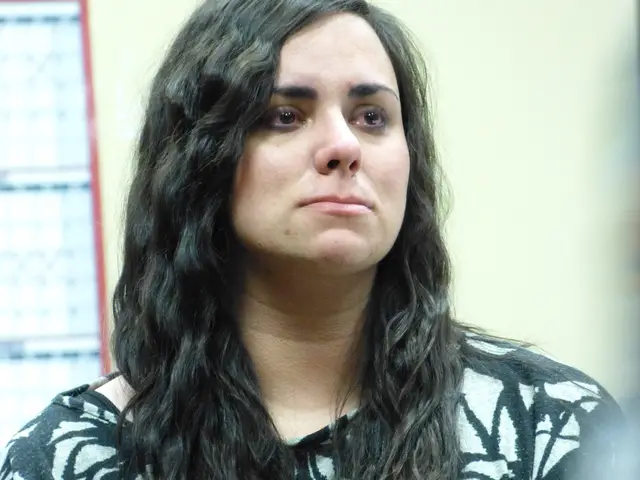
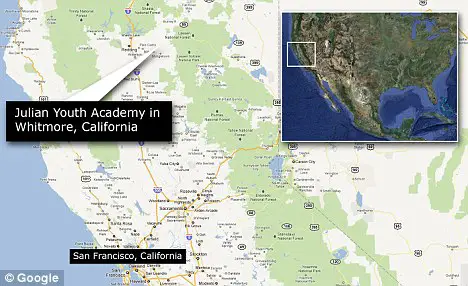
Jessica Nicole Bradford was born in 1988. Her personal history included being adopted herself, a factor that heavily influenced her psychological coping mechanisms when confronted with an unplanned pregnancy. By 2011, at age 23, she was employed at the Julian Youth Academy in Whitmore, California—a private, Christian boarding school for troubled adolescents situated in a remote area. Coworkers characterized her as a quiet individual who blended smoothly into the facility's residential community.
2. Crime Spree
In September 2011, Bradford successfully concealed her pregnancy from her colleagues and acquaintances. After giving birth clandestinely beneath an exterior deck on the academy's grounds, she kept the newborn concealed without seeking medical attention, effective breastfeeding, or essential care. According to forensic findings and Bradford's own statements during police interviews, the infant survived for approximately four days under severely deprived conditions before succumbing to starvation and dehydration. Rather than reporting the death or seeking assistance, Bradford wrapped the infant's body in a blanket and hid it inside a laundry basket in her bedroom, where it remained undiscovered and mummified for 48 days.
3. Investigation and Arrest
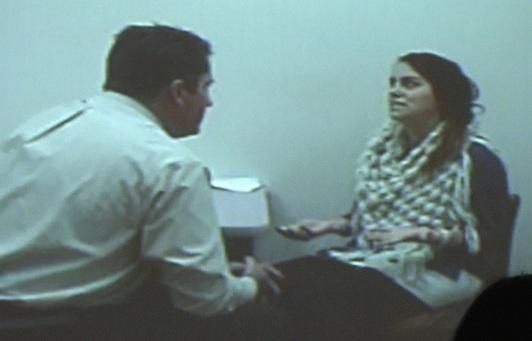
The case came to light in November 2011 when staff members at the Julian Youth Academy discovered the dead infant hidden inside Bradford's room. Shasta County Sheriff's Office investigators, led by Detective Brian Jackson, dismantled Bradford's initial defensive narrative. During interrogations, Bradford admitted that she attempted to feed the baby water using her finger and tried breastfeeding without success, but failed to seek help out of shame, describing the entire episode as "a bad dream." Pediatric expert testimony from the UC Davis Medical Center established that a newborn infant can only survive a few days without nourishment, substantiating the prosecution's timeline and the lethality of the neglect.
4. Legal Proceedings and Outcome
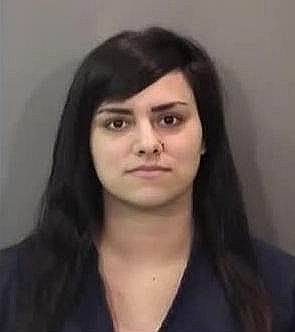
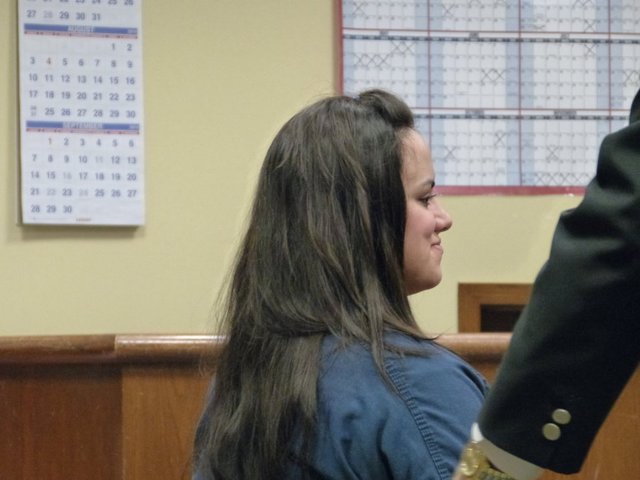
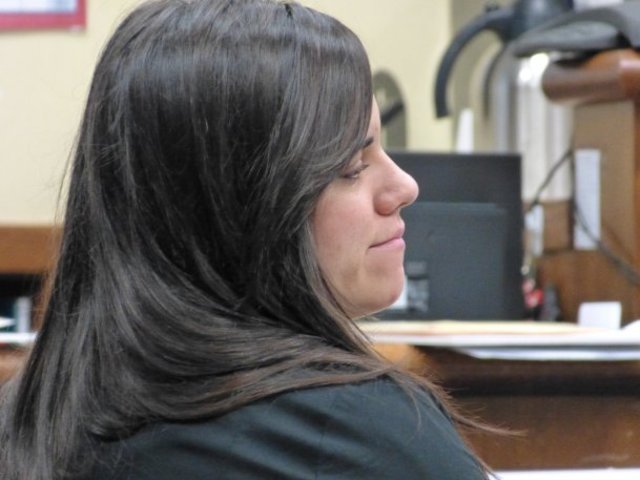
Bradford was arrested on November 7, 2011, at the academy grounds in Whitmore. Her trial took place in May and June 2014 at the Shasta County Superior Court. Senior Deputy District Attorney Kelly Kafael forcefully argued premeditation and a complete lack of remorse, noting Bradford's callous indifference compared to the care she showed her pets. Defense attorney Johnathan Jordan countered that there was no direct intent to kill and that his client had done the best she could under profound personal distress. Following a brief deadlock and judicial instruction to continue deliberations, the jury returned a unanimous verdict on June 5, 2014, finding Jessica Bradford guilty of first-degree murder.
5. Psychiatric Evaluation and Verdict
Psychological evaluations and trial testimonies highlighted severe dissociation and denial mechanisms regarding the pregnancy and birth. Bradford's initial refusal to name the infant—reluctantly assigning the name "Lily" only at the insistence of investigators for coroner documentation—underscored a pathological detachment strategy. The court rejected arguments for full mental incapacity, ruling that Bradford was legally competent and fully aware of her actions when she chose concealment over intervention. She received a determinate prison sentence within the California correctional system.