



Forensic & Criminological Matrix
| Parameter | Forensic Detail |
|---|---|
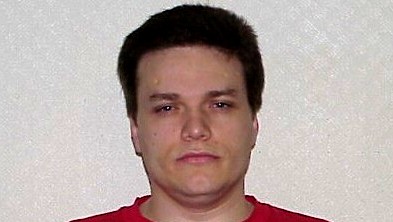
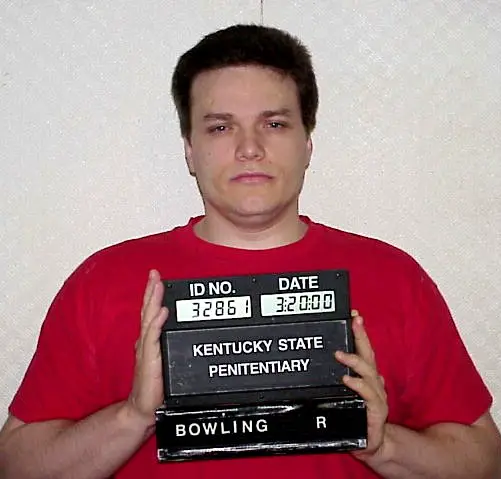
| Forensic Heading / Aliases | Ronnie Lee Bowling |
| Legal Identity | Ronnie Lee Bowling |
| Confirmed Victims | 2 |
| Attributed / Indicted Victims | 2 |
| Active Timeline | 1989 |
| Jurisdiction / Area of Operations | Laurel County, Kentucky, United States |
| Criminological Classification | Serial / Armed Robbery Killer |
| Forensic Modus Operandi | Nighttime service station robberies, forcing victims to lie face down, followed by execution-style close-range shootings. |
| Weapon / Mechanism of Death | Firearms (Handgun) / Fatal ballistic trauma |
| Motive / Behavioral Dynamics | Financial gain through armed robbery, escalating to murder to eliminate witnesses. |
| Judicial Outcome | Sentenced to death in 1992 for two counts of murder and robbery, subject to ongoing appeals regarding forensic evidence. |
1. Background and Profile
Ronnie Lee Bowling was born in the United States in 1968. His criminal trajectory developed within local violent crime circles in Kentucky, culminating in capital offenses at the close of the 1980s.
2. Crime Spree
Bowling's criminal pattern targeted vulnerable service stations with minimal nighttime staffing in Laurel County. In the early morning hours of January 20, 1989, Bowling robbed a gas station and fatally shot attendant Marvin Hensley. On February 22, 1989, he repeated the identical modus operandi at another station, shooting and killing service station manager Ronald Smith. In both instances, the victims were executed while lying face down.
3. Investigation and Manhunt
The distinct tactical similarities between the two crimes allowed law enforcement to link the homicides to a single perpetrator. Ballistic evidence recovery and local investigative leads in Laurel County ultimately led to Bowling's identification and arrest.
4. Legal Proceedings and Outcome
Following his capture, Bowling was prosecuted in Kentucky courts. In 1992, a jury convicted him of the murders of Marvin Hensley and Ronald Smith, resulting in a sentence of death. Subsequent appeals challenged the admissibility and reliability of comparative bullet lead analysis (CBLA) testimony provided by FBI experts during the trial.
5. Psychiatric Assessment and Aftermath
Bowling's case exemplifies predatory criminal escalation where armed robbery transitions into capital murder for witness elimination. His legal status has involved prolonged appellate scrutiny concerning the evolution of forensic science standards.