



Forensic & Criminological Matrix
| Parameter | Forensic Detail |
|---|---|
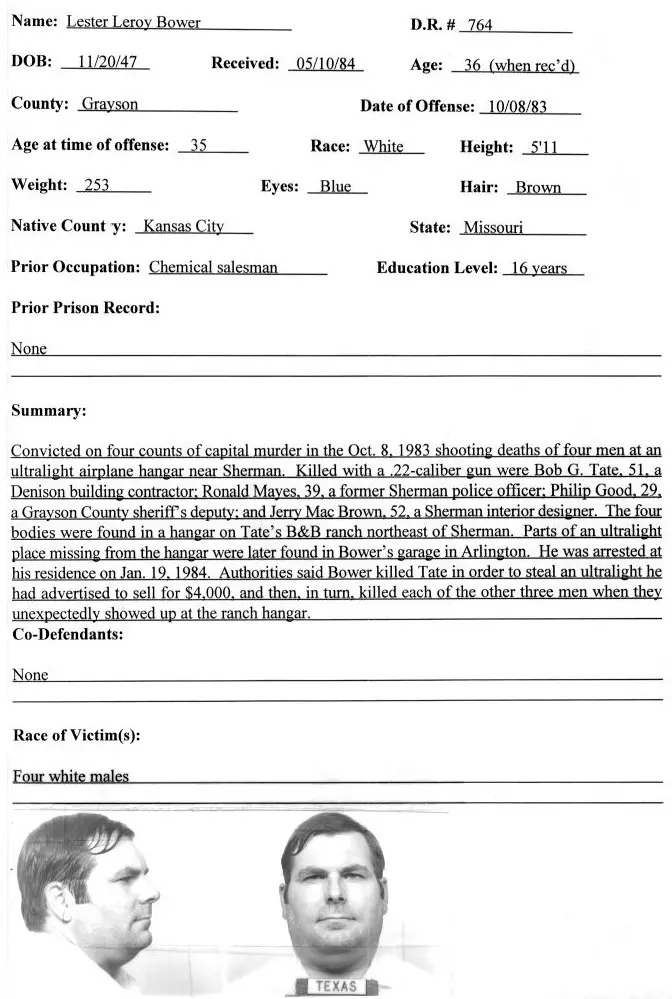
| Forensic Heading / Aliases | Lester Leroy Bower |
| Legal Identity | Lester Leroy Bower Jr. |
| Confirmed Victims | 4 (Robert Tate, Philip Good, Jerry Mack Brown, Ronald Mayes) |
| Attributed / Indicted Victims | 4 |
| Active Timeline | October 8, 1983 |
| Jurisdiction / Area of Operations | B&B Ranch hangar, north of Sherman, Texas (USA) |
| Criminological Classification | Multiple murderer / Instrumentally motivated robbery-homicide |
| Forensic Modus Operandi | Arranging a commercial meeting in an isolated area, firearm execution, and subsequent theft of aircraft components |
| Weapon / Mechanism of Death | Handgun (ammunition consistent with firearms sold by the perpetrator) |
| Motive / Behavioral Dynamics | Financial / Theft of an ultralight aircraft valued at approximately $4,000 |
| Judicial Outcome | Convicted of capital murder (1984), sentenced to death, executed by lethal injection in 2015 after 31 years of appeals |
1. Background and Profile
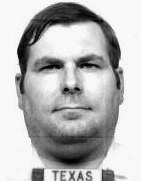
Lester Leroy Bower Jr. was born in March 1947. Prior to his involvement in the homicides, he resided in Arlington, Texas, worked as a chemical salesman, and had no prior criminal record or documented history of mental health disorders. Perceived as a conventional citizen with a wife and two daughters, his initial profile contrasted sharply with the extreme severity of the crimes for which he was later investigated, tried, and convicted.
2. Crime Spree
On October 8, 1983, four men—Robert Tate (hangar and aircraft owner), Philip Good (Grayson County sheriff's deputy), Jerry Mack Brown, and former police officer Ronald Mayes—were found shot to death inside an aviation hangar at the B&B Ranch north of Dallas, Texas. The primary motive established by the prosecution was the theft of an ultralight aircraft that Tate had advertised for sale. Bower had engaged in prior contacts and made documented false statements regarding his interest in purchasing the aircraft, utilizing company telephone credit cards to communicate with the victims before the incident.
3. Investigation and Forensic Pursuit
The investigation focused on Bower after analysis of telephone records belonging to victim Philip Good revealed calls originating from Bower. A search of Bower's residence uncovered components and parts belonging to Tate's ultralight aircraft that were missing from the crime scene. Although no fingerprints linked him directly to the interior of the hangar and the murder weapon was never recovered, the accumulation of circumstantial evidence, his initial deception to law enforcement, and possession of stolen property formed the foundation of the prosecution's case.
4. Legal Proceedings and Outcome
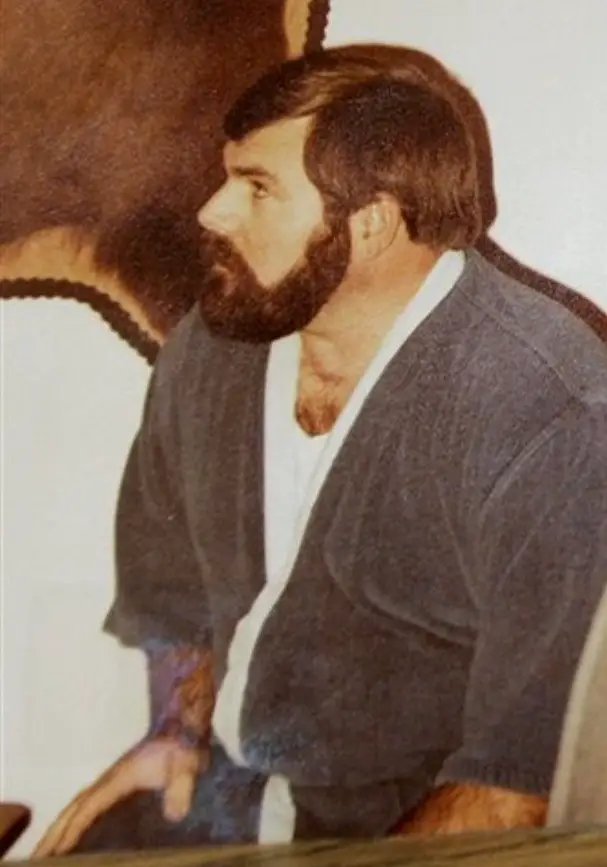
Lester Bower was arrested and charged with capital murder. In April 1984, a Grayson County jury convicted him of all four homicides following a trial where prosecutors argued that the salesman had simply 'snapped.' State District Judge R. C. Vaughan sentenced him to death by lethal injection. Over more than three decades, Bower's defense teams filed numerous appeals and secured six stays of execution, pursuing alternative suspect theories and requesting modern DNA testing on evidence that could not be tested in the 1980s.
5. Psychiatric Evaluation and Aftermath
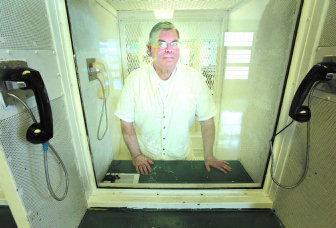
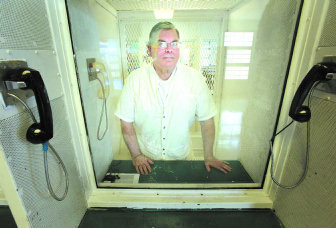
Throughout his 31-year tenure on Texas death row, Bower maintained his innocence. No incapacitating psychiatric disorders were diagnosed, and he was evaluated as a cooperative and reflective inmate. Despite continuous legal petitions to re-examine the case using modern forensic technologies, federal and state courts ultimately rejected his final motions. On June 3, 2015, at the age of 67, Lester Leroy Bower Jr. was executed by lethal injection at the Huntsville State Penitentiary, becoming the oldest inmate executed in Texas since 1976 up to that date.