

Forensic & Criminological Matrix
| Parameter | Forensic Detail |
|---|---|
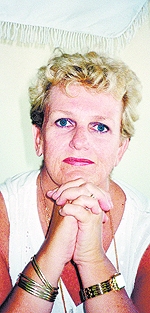
| Forensic Heading / Aliases | Mariette Bosch |
| Legal Identity | Mariette Bosch |
| Confirmed Victims | 1 (Maria 'Ria' Wolmarans) |
| Active Timeline | June 26, 1996 |
| Jurisdiction / Area of Operations | Gaborone, Botswana |
| Criminological Classification | Passion murder / Love-triangle homicide |
| Forensic Modus Operandi | Perimeter scaling, nocturnal residential intrusion, and execution-style double shooting with a 9mm Browning pistol |
| Weapon / Mechanism of Death | 9mm Browning semi-automatic pistol |
| Motive / Behavioral Dynamics | Infidelity, financial ambition, elimination of marital rival |
| Judicial Outcome | Sentenced to death by hanging; executed on March 31, 2001 |
1. Background and Profile
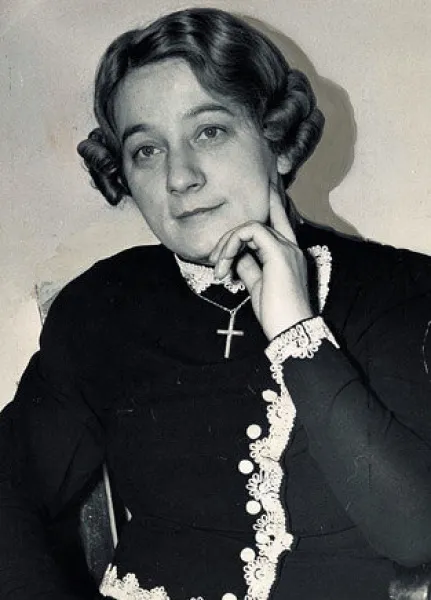
Mariette Bosch was born in South Africa in 1950 into an affluent family. Following the tragic death of her first husband in a 1995 car accident, Bosch relocated to Botswana, settling in Phakalane—an upscale enclave in Gaborone known colloquially as "Little Sandton" due to its concentration of wealthy white South African expatriates. Immersed in an elite expatriate subculture, she became close friends with Tienie Wolmarans and his wife, Maria 'Ria' Wolmarans.
2. Crime Spree and Modus Operandi
Bosch soon initiated a clandestine affair with Tienie Wolmarans. Impatient with the slow progress toward a divorce, Bosch engineered a lethal conspiracy. In June 1996, she travelled to Pietersburg, South Africa, acquiring an illegal 9mm Browning pistol from an acquaintance and smuggling it across the international border into Botswana.
On the night of June 26, 1996, Bosch executed the homicide: she drove to the Wolmarans residence, scaled a two-meter perimeter wall, and entered the house. Confronting Maria 'Ria' Wolmarans in the hallway, she fired twice, striking her in the abdomen and ribs, causing instant death. Police initially misclassified the crime as a botched burglary.
3. Investigation and Forensic Pursuit
For months, investigators in Gaborone found no leads. The breakthrough resulted not from forensic police work, but from behavioral errors made by Bosch herself. Prior to the murder, Bosch had confessed her affair and intentions to her hostile sister-in-law, Judith Bosch.
Imprudently, Bosch handed the murder weapon to Judith's husband for safekeeping. Months later, upon discovering that Bosch had ordered a wedding dress to marry Tienie, Judith connected the evidence, retrieved the weapon, and turned it over to the police. Ballistic testing definitively linked the recovered firearm to the crime scene evidence.
4. Legal Proceedings and Outcome
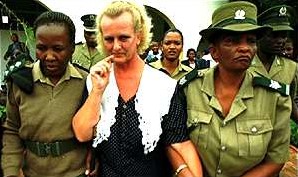
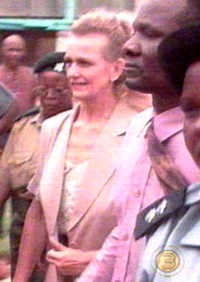
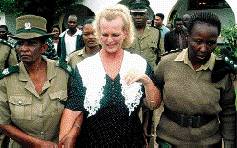
Arrested on October 7, 1996, Bosch maintained her innocence throughout the proceedings—even as Tienie Wolmarans married her while she was in custody. Commonwealth appeal courts systematically dismantled her defense, characterizing her as a manipulative and calculating offender.
5. Psychiatric Evaluation and Execution
Psychiatric evaluations underscored a narcissistic, highly structured personality profile devoid of genuine remorse. Despite extensive international human rights appeals and intervention efforts from the South African government, Botswana President Festus Mogae refused clemency. Bosch was hanged in the early hours of March 31, 2001, at Gaborone's Central Maximum Prison, marking the first execution of a white person and a female offender in modern Botswana history.