


Forensic & Criminological Matrix
| Parameter | Forensic Detail |
|---|---|
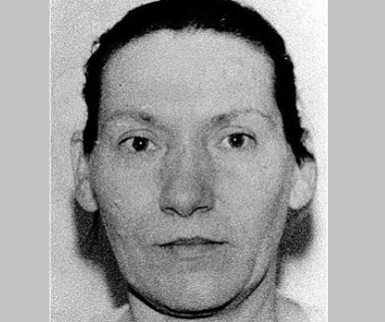
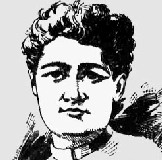
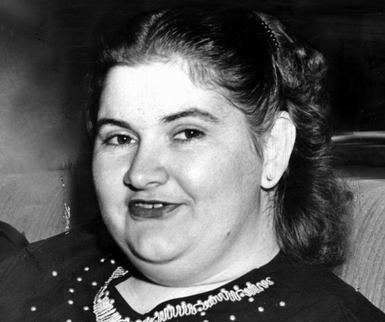
| Forensic Heading / Aliases | Ann Bilansky |
| Legal Identity | Mary Ann Evards Wright |
| Confirmed Victims | 1 (Stanislaus Bilansky) |
| Active Timeline | March 1859 |
| Jurisdiction / Area of Operations | Saint Paul, Minnesota, USA |
| Criminological Classification | Parricide / Poisoner (Motivated by relational dissolution) |
| Forensic Modus Operandi | Surreptitious administration of arsenic trioxide via nourishment (soup) |
| Weapon / Mechanism of Death | Chemical poisoning (arsenic ingestion) |
| Motive / Behavioral Dynamics | Marital dissatisfaction and illicit romantic involvement with her nephew, John Walker |
| Judicial Outcome | Condemned to death by hanging; executed on March 23, 1860 |
1. Background and Psychopathy
Born Mary Ann Evards Wright around 1820 in Fayetteville, North Carolina, Ann Bilansky eventually migrated northward, settling in the territory of Minnesota. She married Stanislaus Bilansky, who was 52 years old at the time. Over the years, the marital union deteriorated severely, exacerbated by Ann's deep dissatisfaction and her illicit romantic entanglement with her nephew, John Walker. This interpersonal dynamic established the psychological framework for a calculated elimination of her husband to free herself from the marital bond.
2. Crime Spree
In March 1859, Ann Bilansky executed her plan to murder her spouse. Selecting a silent and insidious method, she integrated arsenic into Stanislaus Bilansky's soup. The chemical agent induced a rapid and fatal toxicological breakdown, causing his death within a matter of days. Her modus operandi was specifically designed to mask the homicide under the guise of natural pathological decline.
3. Police Investigation and Forensic Hunt
The perpetrator's downfall was precipitated by verbal imprudence. Ann had confided in an acquaintance, Lucinda Kilpatrick, regarding her marital friction and actions. Lucinda's husband alerted local law enforcement in Saint Paul of the suspicious circumstances surrounding the sudden demise. Recognizing the indicators of foul play, forensic authorities exhumed the corpse of Stanislaus Bilansky and performed toxicological analyses, isolating lethal quantities of arsenic within the bodily tissues.
4. Arrest and Judicial Proceedings
Four days following the death of her husband, Ann Bilansky was apprehended by law enforcement officers. A formal murder indictment was brought against her. The judicial process leveraged definitive forensic pathology reports and circumstantial witness testimonies establishing her motive and access to the poison. The court found her guilty of willful murder, issuing a mandatory sentence of death by hanging.
5. Psychiatric Evaluation and Outcome
Ann Bilansky's case holds a unique and grim distinction in the legal history of Minnesota: she remains the only female ever to be executed by the state. On March 23, 1860, at approximately 40 years of age, she was led to the gallows in Saint Paul. The execution by hanging was carried out under nominal privacy provisions, though monitored by an avid public from vantage points. Contemporary documentation recorded that she died with minimal physical struggle, concluding a landmark case in nineteenth-century American forensic jurisprudence.