



Forensic Case Factsheet
| Parameter | Evidentiary Record |
|---|---|
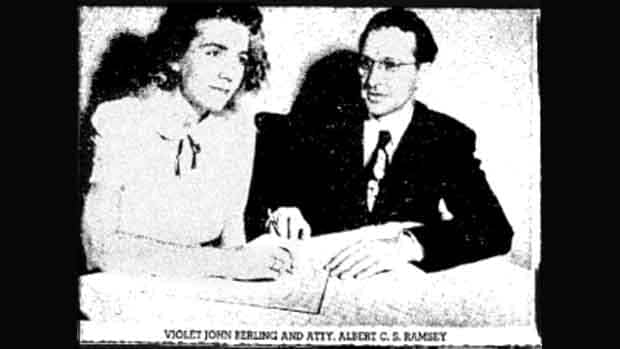
| Full Legal Name | Violet John Berling (professional name: Miss John) |
| Judicial Identification | Criminal Case People of the State of California v. Violet John Berling (1950–1951) |
| Date of Birth | May 18, 1918, California, United States |
| Current Custodial Status | Deceased (Served life imprisonment at the California Institution for Women) |
| Offense Jurisdiction | Long Beach, Los Angeles County, California, United States |
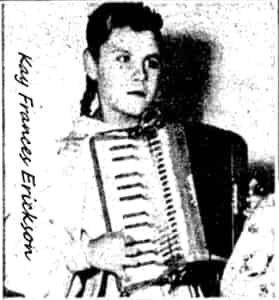
| Confirmed Victims | 1 (Katherine "Kay" Frances Erickson, 10 years old) |
| Date of Crime | October 12, 1950 |
| Weapons & Methods | Mechanical restraint with accordion straps, flatiron burn wounds, positional asphyxiation via gastric aspiration |
| Homicidal Motive | Instrumental sadism, coercive isolation, and pathological omnipotent control |
1. Biographical and Professional Context
Violet John Berling was born in California in 1918. By the late 1940s, she operated an accordion instruction business out of a small one-room studio apartment located at 1238 East 4th Street in Long Beach. In local cultural circles, she cultivated a public persona of an exacting, highly disciplined music pedagogue, drawing pupils during an era when accordion playing enjoyed widespread popularity across American households.
Beneath this exterior of musical dedication lay severe psychopathic traits characterized by covert sadism, obsessive possessiveness, and an escalating need to exert total psychological and physical dominance over vulnerable dependents.
2. Grooming of Kay Erickson and Studio Confinement
In the spring of 1950, 10-year-old Katherine "Kay" Frances Erickson began taking accordion lessons from Berling. The child's father, Harry Erickson, was a U.S. Navy electrician frequently deployed at sea, while her mother, Beatrice Erickson, attended vocational nursing classes to alleviate the family's modest financial situation.
Exploiting the mother's ambition for her child, Berling convinced Beatrice that Kay was a prodigy whose musical future required round-the-clock intensive instruction. Under this justification, Berling obtained parental permission for the child to take up permanent residence at her Long Beach studio during the summer of 1950.
Once the child was inside the studio, Berling progressively severed Kay's contacts with her family, barred the mother from recitals under the pretext that parental visits disrupted musical discipline, and transformed the studio apartment into a site of solitary coercive confinement.
3. Escalating Torture and Fatal Asphyxiation: October 12, 1950
During months of domestic seclusion, Kay Erickson was subjected to unrelenting physical torment. Witness testimonies later revealed that Berling routinely strapped the child to straight-backed chairs and filing cabinets using leather accordion straps and elastic bandages, keeping her bound for hours under the guise of behavioral correction.
On the morning of October 12, 1950, Berling summoned emergency medical assistance, screaming that the 10-year-old had ceased breathing. First responders and coroners discovered the child's lifeless body bound with accordion straps to a straight-backed wooden chair. The victim was severely emaciated—weighing roughly twenty pounds below average—and bore extensive blunt trauma, deep lacerations, and multiple circular second- and third-degree burn marks inflicted with a heated household flatiron.
The autopsy conducted by Dr. Cefalu concluded that Kay had succumbed hours prior to the emergency call from asphyxiation caused by the aspiration of regurgitated gastric contents into her bronchial passages, directly precipitated by systemic trauma and complete physical immobilisation.
4. The Sensational 17-Week Trial (1951)
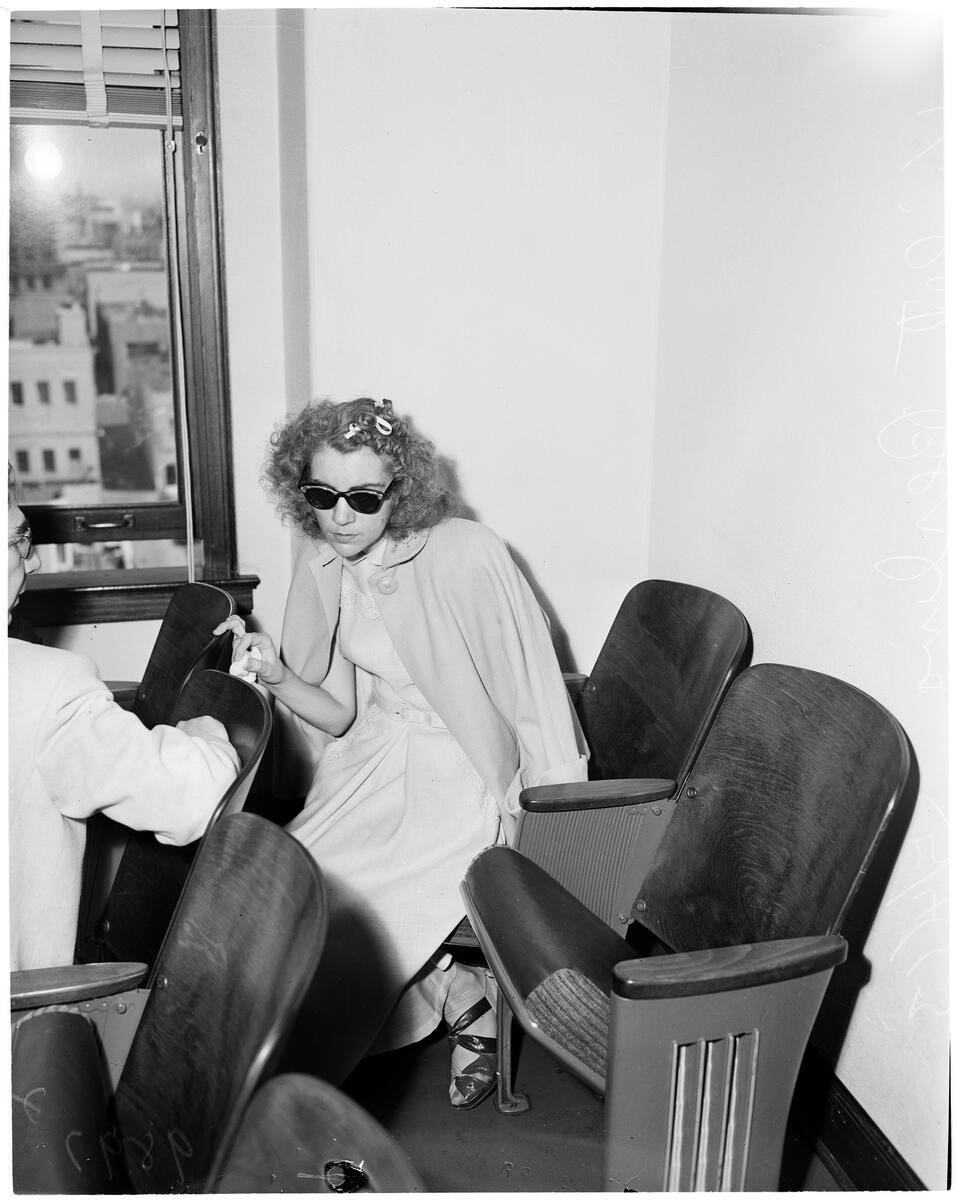
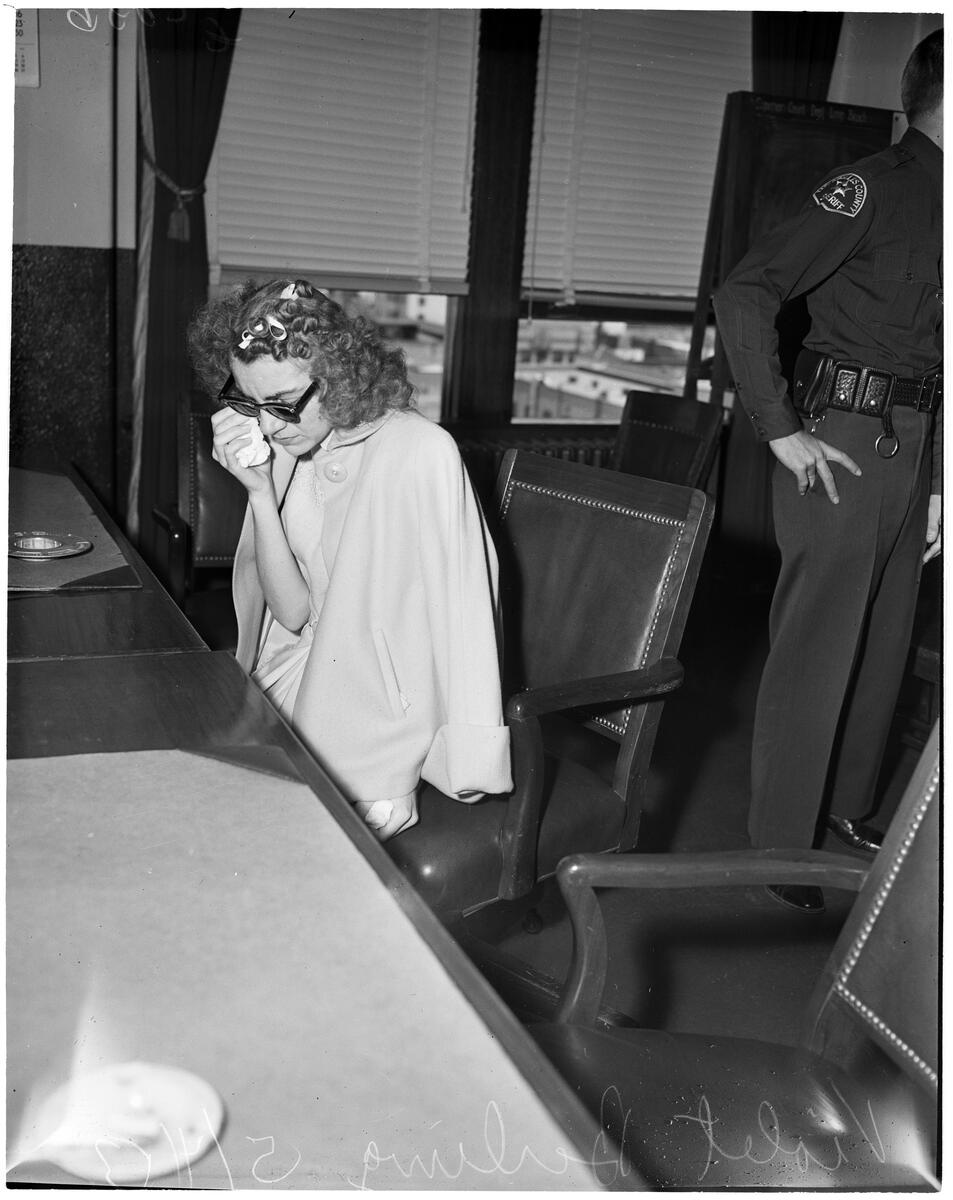
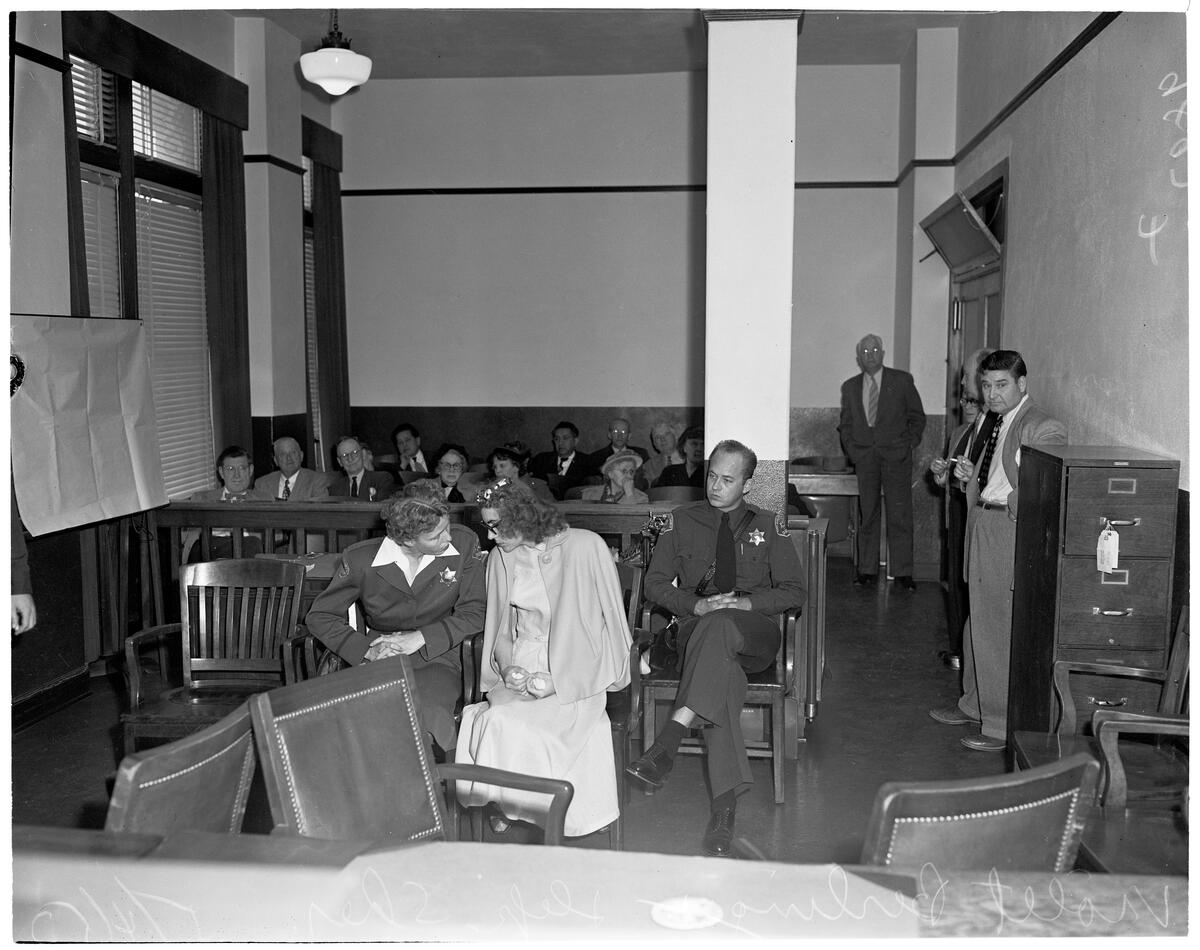
The homicide trial of People v. Berling commenced on January 3, 1951, before Superior Court Judge Charles W. Fricke. Lasting 17 weeks, it became one of the most prolonged and sensational proceedings in the history of the Los Angeles County courts. On the stand, Berling claimed that the victim was possessed, prone to masochistic spiritual trances, and that the extensive burn injuries and lacerations were entirely self-inflicted.
Prosecuting attorneys dismantled this defense through forensic pathology reports, blood-encrusted accordion straps recovered from the crime scene, and harrowing witness testimony from other pupils who had witnessed Kay tied up and beaten. On April 28, 1951, following eight days of jury deliberations, Violet Berling was convicted of first-degree murder and sentenced to life imprisonment at the California Institution for Women.
5. Criminological Precedent and Forensic Impact
The case of Violet Berling remains a landmark study in forensic psychology and legal medicine concerning custodial child abuse perpetrated outside the immediate parental sphere. It established pivotal jurisprudence in California law regarding the differential diagnosis between purported childhood self-mutilation and inflicted sadistic physical torture, underscoring the absolute culpability of pedagogical authority figures who employ coercive restraint under the veneer of professional discipline.