Forensic & Criminological Matrix
| Parameter | Forensic Detail |
|---|---|
| Forensic Heading / Aliases | I-70 Rapist |
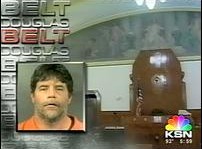
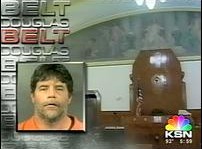
| Legal Identity | Douglas S. Belt |
| Confirmed Victims | 1 |
| Attributed / Indicted Victims | 7 |
| Active Timeline | 1989-2002 |
| Jurisdiction / Area of Operations | Kansas, USA |
| Criminological Classification | Serial Killer / Serial Rapist |
| Forensic Modus Operandi | Restraint with duct tape, sexual assault, and arson to conceal evidence |
| Weapon / Mechanism of Death | Knife (bladed weapon) |
| Motive / Behavioral Dynamics | Sexual predation and sadistic violence |
| Judicial Outcome | Death sentence (later commuted) |
1. Background and Profile
Douglas S. Belt was a serial sexual predator active in Kansas. His criminal career was marked by a progression from serial rape to homicide, demonstrating a high level of predatory planning.
2. Crime Spree
Belt targeted women in their homes, using duct tape to blindfold and restrain them. His crimes involved severe sexual violence. In 2002, he murdered Lucille Gallegos, decapitating her and setting fire to her apartment to destroy forensic evidence.
3. Investigation and Arrest
Authorities utilized 'John Doe' warrants based on DNA profiles to bypass statutes of limitations. The breakthrough occurred when his DNA, collected after the 2002 murder, matched evidence from several cold case sexual assaults.
4. Legal Proceedings and Outcome
Belt was convicted of the murder of Lucille Gallegos and sentenced to death. His case reached the Kansas Supreme Court, which ruled on the validity of DNA-based warrants. Belt died in custody in 2016.