



Belle Gunness: «The Black Widow of La Porte» and the Indiana Hog Farm
Executive Summary
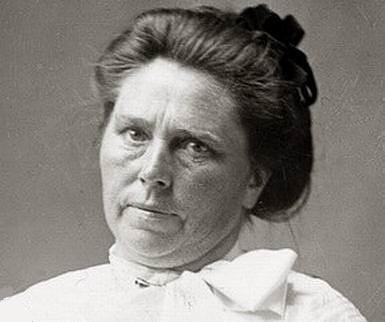
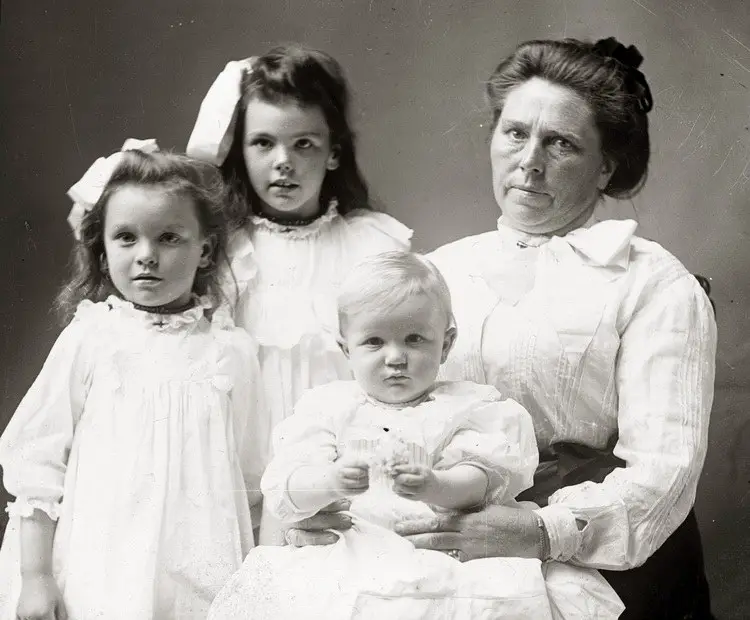
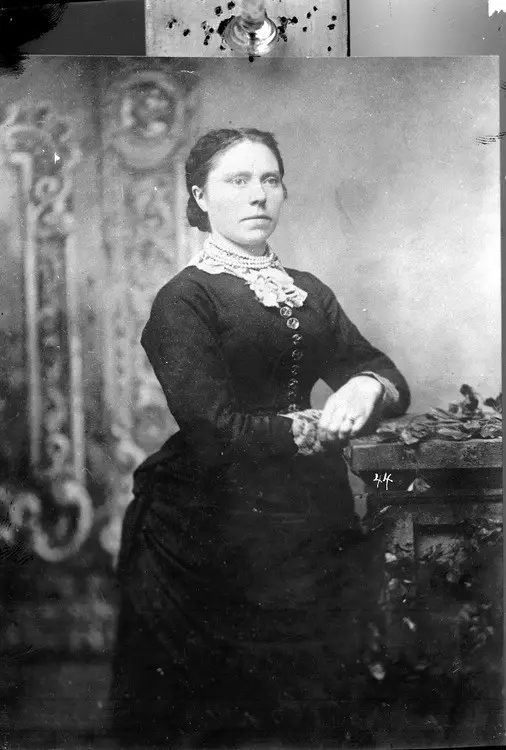
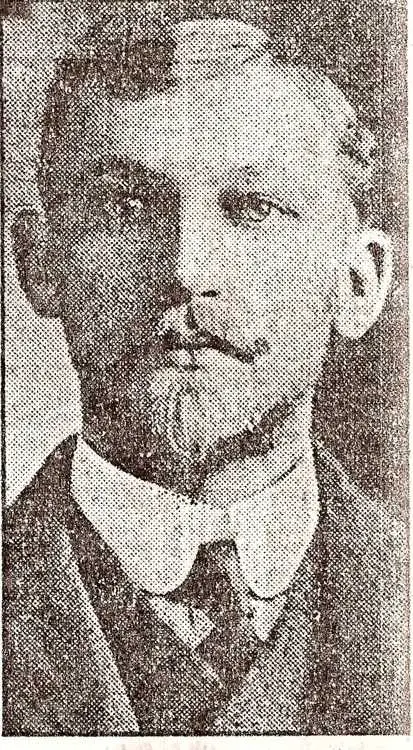
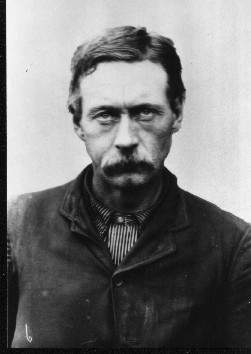
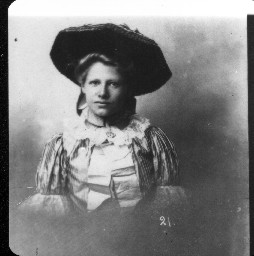
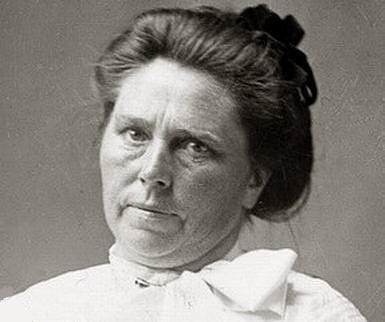
Belle Gunness (born Brynhild Paulsdatter Størseth; 1859 – disappearance after 1908), infamous in international criminological history as «Hell's Belle» and the «Black Widow of La Porte», was one of the most prolific and cold-blooded serial killers in United States history. Operating between the late nineteenth century and April 1908, she systematically eliminated her husbands, her own foster children, and dozens of affluent suitors who journeyed to her Indiana homestead, accumulating substantial wealth through life insurance frauds and the outright confiscation of her victims' life savings. Forensic excavations conclusively recovered the remains of at least fourteen victims from mass burial trenches on her property, though contemporary police estimates attributed upwards of forty homicides to her.
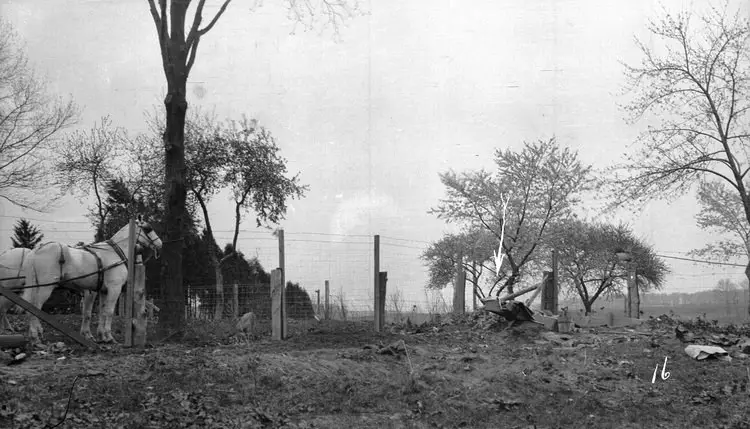
Endowed with formidable physical strength—weighing over ninety kilograms of solid muscular build—Gunness placed romantic classified solicitations in the Chicago-based Norwegian-language daily Skandinaven. She targeted wealthy Scandinavian widowers and bachelors, imposing the strict condition that suitors travel to her forty-eight-acre farm outside La Porte, Indiana, bringing their entire liquid fortunes in cash. Upon arrival, the men were dosed with strychnine during evening meals or bludgeoned with a meat cleaver in their sleep. Gunness then dragged the corpses to the cellar, dismembered them using professional butcher tools, wrapped the anatomical segments in burlap sacks, and buried them in the mud trenches of her hog pen.
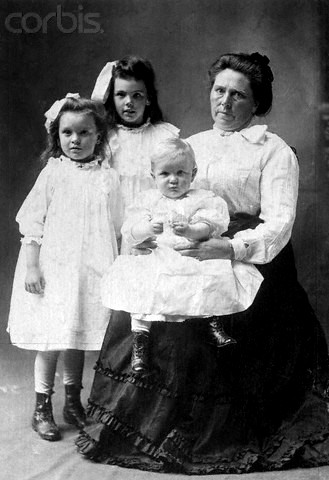
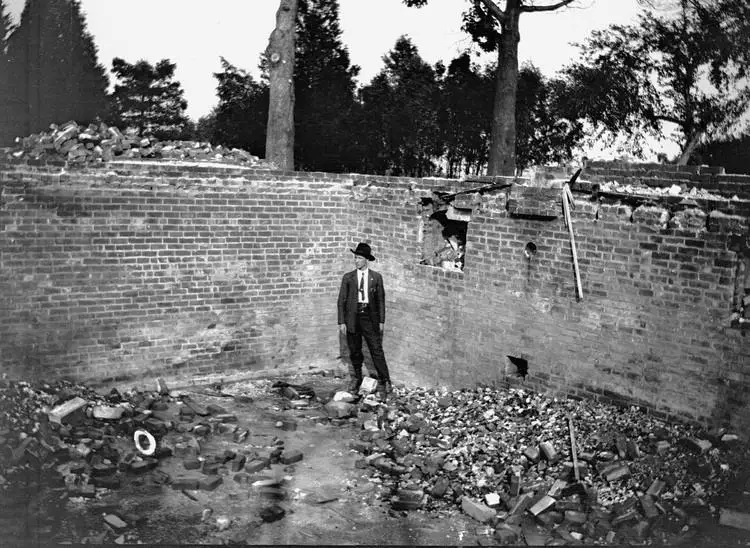
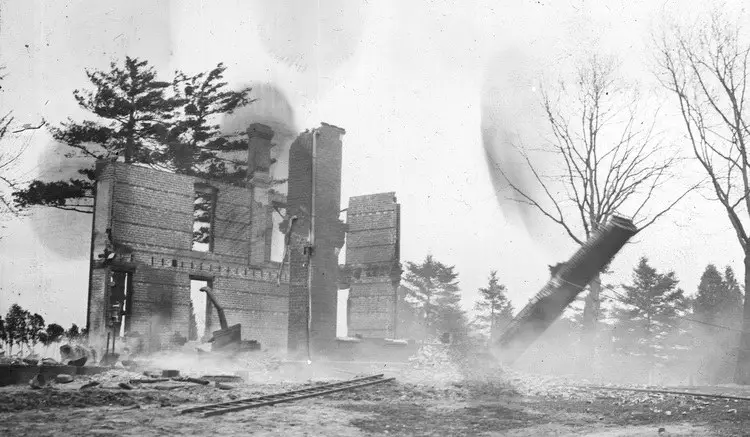
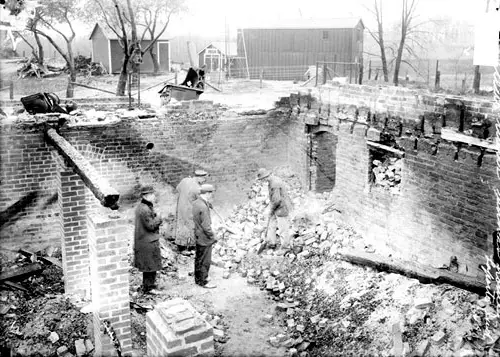
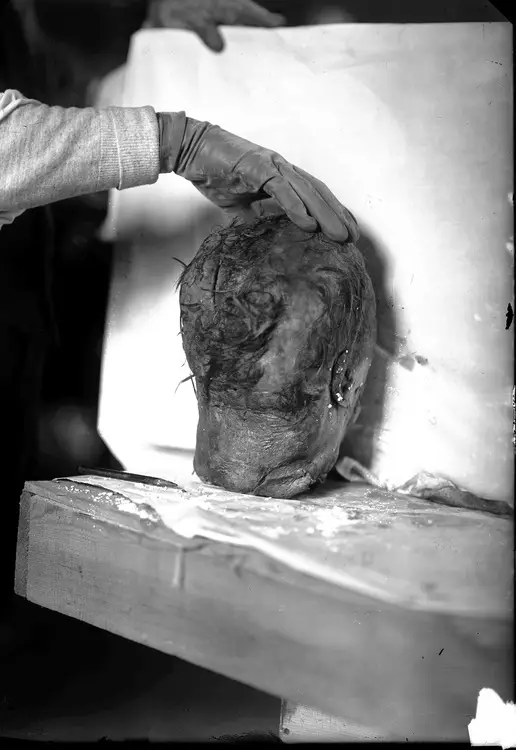
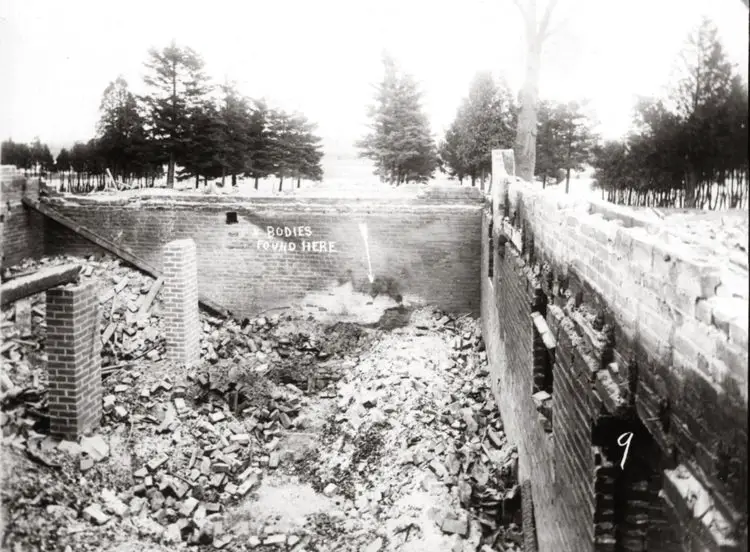
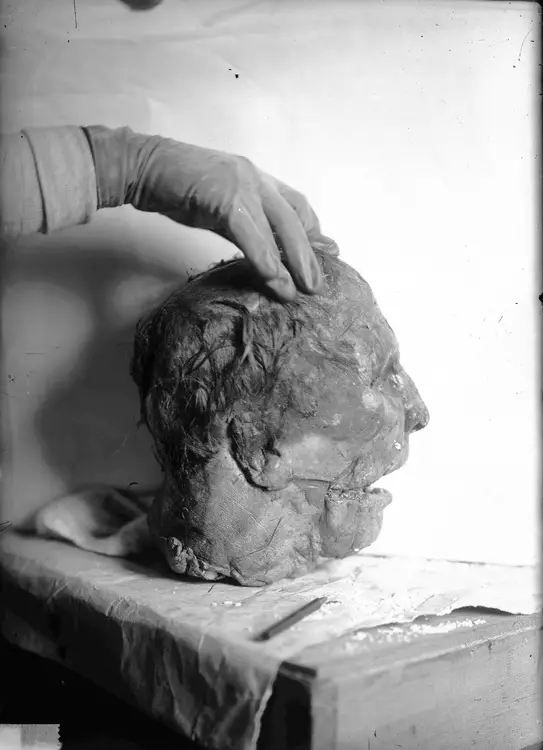
The grim enterprise unraveled on April 28, 1908, when her farmhouse was consumed by an incendiary fire. Among the basement ashes, investigators recovered the charred bodies of her three children alongside the decapitated torso of an adult woman noticeably smaller than Belle's frame. Subsequent excavations directed by Sheriff Albert Smutzer uncovered a human charnel house in the hog yard. On his deathbed in 1909, her hired hand Ray Lamphere confessed that Gunness had murdered an unwitting Chicago maid to stage her own death and escaped with thousands of dollars, cementing one of American true crime's most enduring fugitive enigmas.
Forensic & Criminological Matrix
| Parameter | Forensic Detail |
|---|---|
| Legal Identity | Brynhild Paulsdatter Størseth (Belle Gunness following marriages) |
| Criminological Aliases | "Hell's Belle" / "The Black Widow of La Porte" / "The Mistress of the Murder Farm" |
| Date of Birth | November 11, 1859 (Selbu, Sør-Trøndelag, Norway) |
| Date of Death | Unknown (unsolved disappearance following the fire of April 28, 1908) |
| Criminological Classification | Utilitarian Serial Killer / Black Widow / Lucre-Driven Annihilator |
| Confirmed Fatalities | At least 14 bodies exhumed (investigative estimates exceed 40) |
| Criminal Motive | Fraudulent life insurance payouts and confiscation of cash savings |
| Modus Operandi | Acute strychnine intoxication; blunt-force cranial trauma with meat cleaver; systematic anatomical dismemberment |
| Geographic Scenarios | Chicago, Illinois and La Porte, LaPorte County, Indiana |
| Key Investigators | Sheriff Albert F. Smutzer and County Prosecutor Ralph N. Smith |
| Judicial Disposition | Historical Fugitive (At Large) / Legal proceedings abated due to disappearance |
The Chicago Years and Lucrative Arsons (1881–1901)
Born in the rural valley of Selbu, Norway, Brynhild Størseth immigrated to Chicago in 1881, adopting the anglicized name Belle. In 1884, she married fellow Norwegian immigrant Mads Ditlev Anton Sorenson. The couple established a confectionery business that was soon destroyed in an arson fire under suspicious circumstances; the insurer settled the claim in full.
Shortly thereafter, two infant children in their household died abruptly from certified "acute intestinal inflammation"—symptoms entirely consistent with lethal strychnine and arsenic poisoning. Belle collected the life insurance policies placed on both infants. On July 30, 1900, on the single day of overlap when two distinct life insurance policies on Mads Sorenson were active simultaneously, Sorenson suffered sudden, fatal convulsions. While the family doctor suspected strychnine toxicity, Sorenson's personal physician certified heart failure. Belle collected $8,500 (equivalent to a substantial fortune today) and departed Chicago.
The Murder Farm at La Porte (1901–1908)
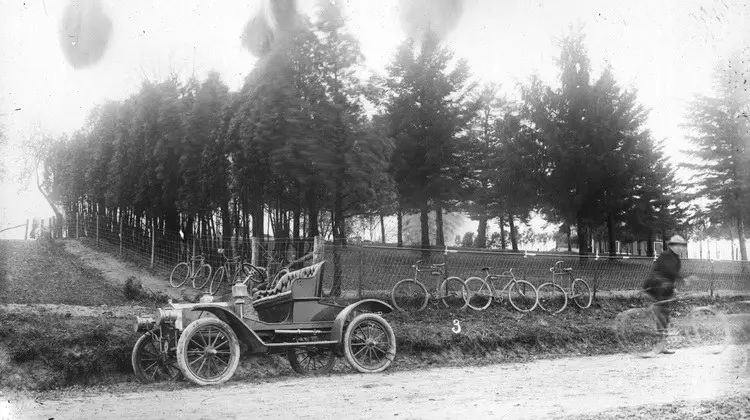
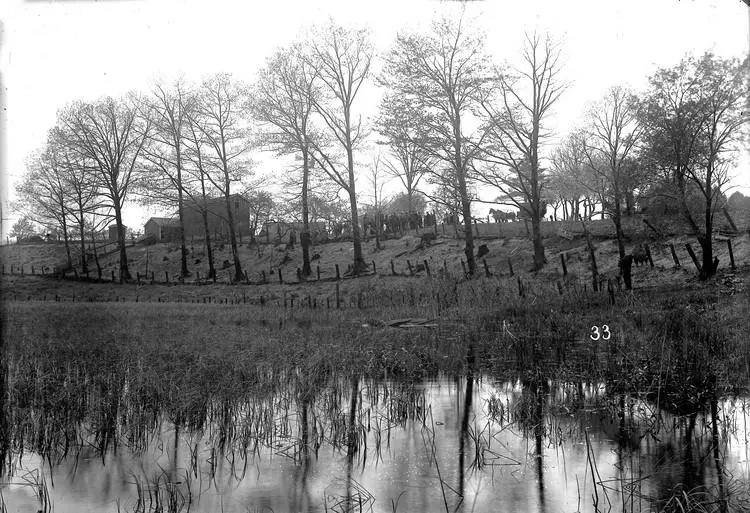
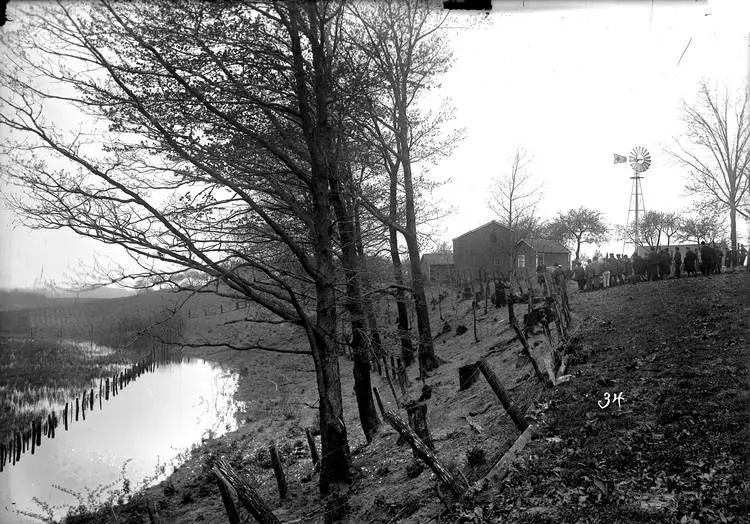
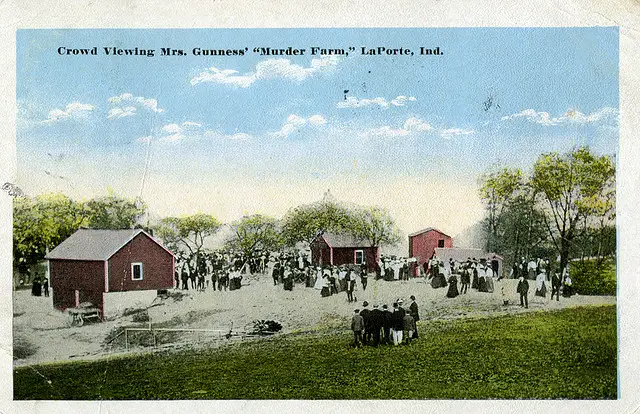
Using the insurance proceeds, Belle purchased a secluded 48-acre rural homestead on McClung Road on the northern outskirts of La Porte, Indiana. In April 1902, she married widower and local butcher Peter Gunness:
- Within one week of the wedding, Peter's infant daughter died suddenly while in Belle's sole care.
- In December 1902, Peter Gunness died from catastrophic cranial crushing injuries. Belle claimed before the coroner's jury that a heavy cast-iron meat grinder had accidentally fallen from a high shelf and struck his head while he was reaching for shoes. Despite community skepticism, Belle collected an additional $3,000 in life insurance benefits.
The Matrimonial Trap of Skandinaven
As a solitary landowner, Belle began placing romantic advertisements in the influential Norwegian-language newspaper Skandinaven:
"Personal — Comely widow who owns a large farm in one of the finest districts in La Porte County, Indiana, desires to make the acquaintance of a gentleman of equal circumstances, good Scandinavian stock, with view to joining of fortunes and marriage. Suitors must visit in person; no letters considered unless accompanied by substantial bank drafts."
Dozens of lonely Scandinavian bachelors and widowers—including John Moo, Ole B. Budsberg, Henry Gurholdt, and Olaf Lindboe—liquidated their holdings across Minnesota, Wisconsin, and the Dakotas, traveling by train to La Porte with thousands of dollars sewn into their coat linings. None were ever seen alive again. At the homestead, Belle drugged them at the dinner table with strychnine mixed into coffee or soup, or bludgeoned them unconscious in their beds. In the cellar, utilizing meat-hook assemblies and butcher tables, she severed limbs and decapitated the torsos, packing the anatomical sections into heavy burlap sacks before burying them in deep pits across the pig pens.
The Andrew Helgelien Trail and the 1908 Fire
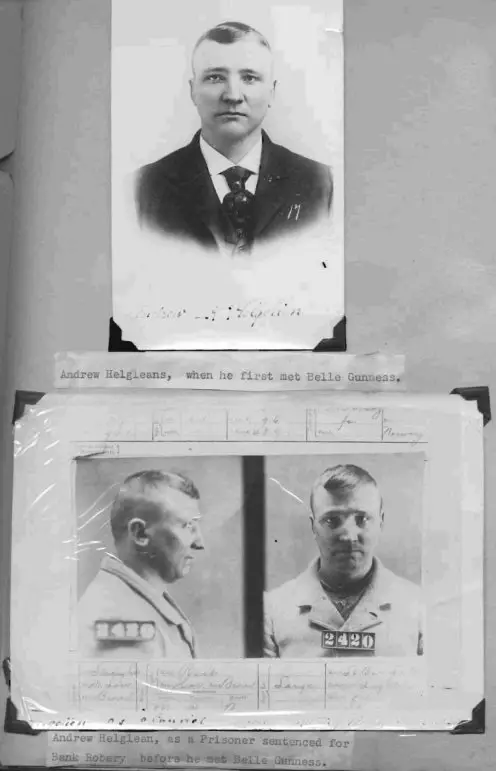
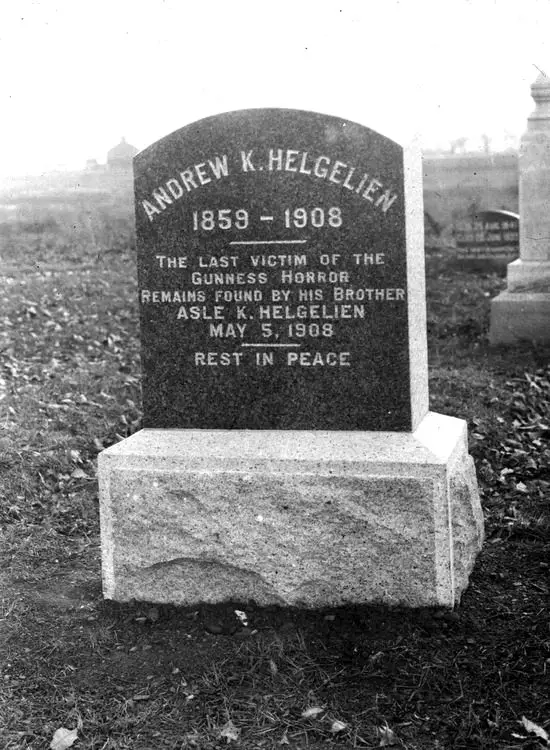
In January 1908, prosperous South Dakota farmer Andrew Helgelien arrived at the farm after withdrawing $3,000 in gold and bank drafts to invest in Belle's property. Within weeks, his correspondence with his brother, Asle Helgelien, abruptly ceased. Asle sent urgent inquiries to Belle demanding explanations and warning that he would personally travel to La Porte to inspect the premises.
Realizing that law enforcement scrutiny was imminent, Belle orchestrated a calculated exit strategy:
- She visited the county prosecutor's office in La Porte, falsely reporting that her former hired hand, Ray Lamphere—an erratic laborer with whom she had maintained a liaison and recently discharged—had made repeated death threats and planned to burn her house down with her family inside.
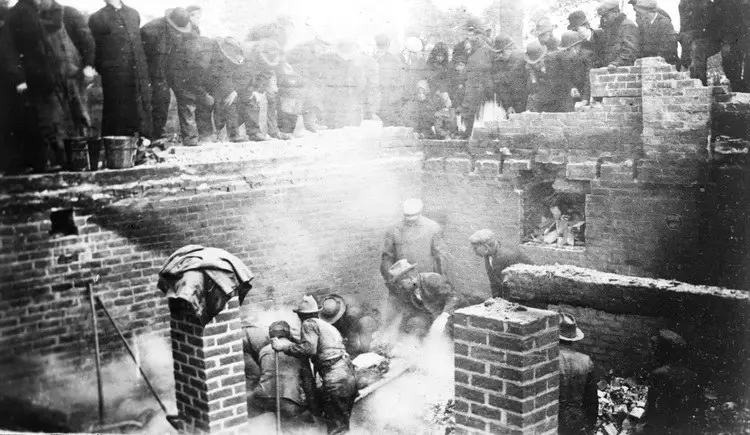
- In the early morning hours of April 28, 1908, the Gunness manor was completely gutted in a fierce, kerosene-fueled inferno.
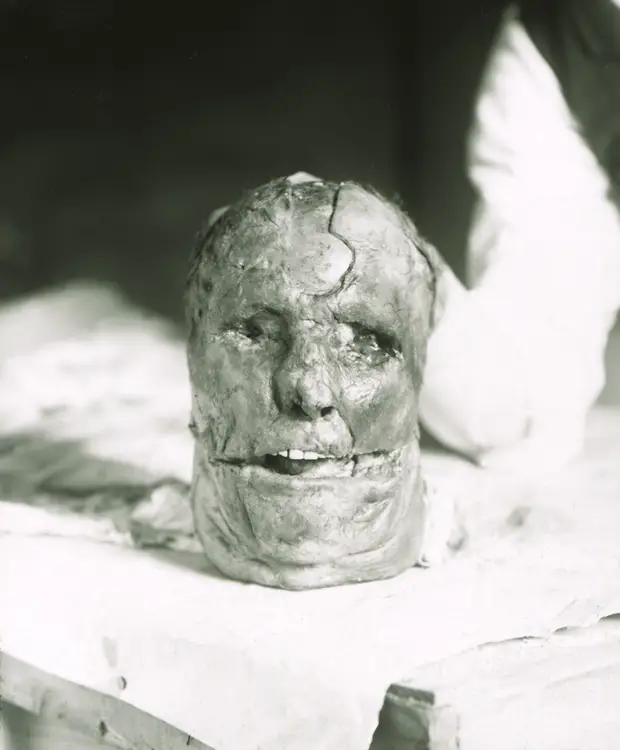
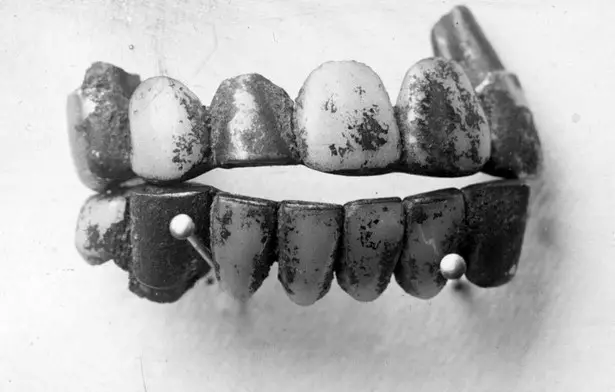
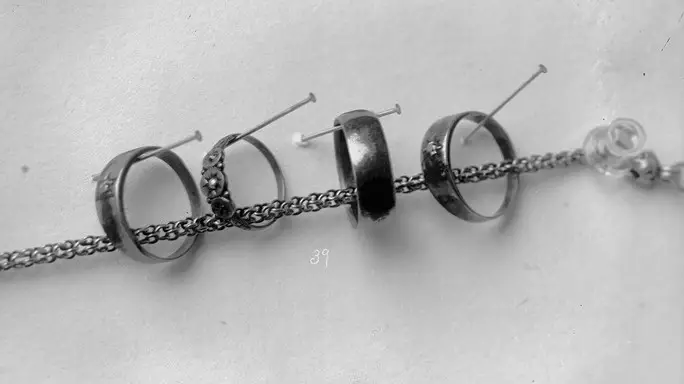
- Sifting through the smoldering basement debris, responders discovered the charred remains of Belle's three children (Myrtle, Lucy, and Philip) alongside the decapitated, badly burned torso of an adult female. A dental bridge containing gold wire was later found in the rubble and declared by a local dentist to belong to Belle.
The Hog Pen Exhumations and the Deathbed Confession
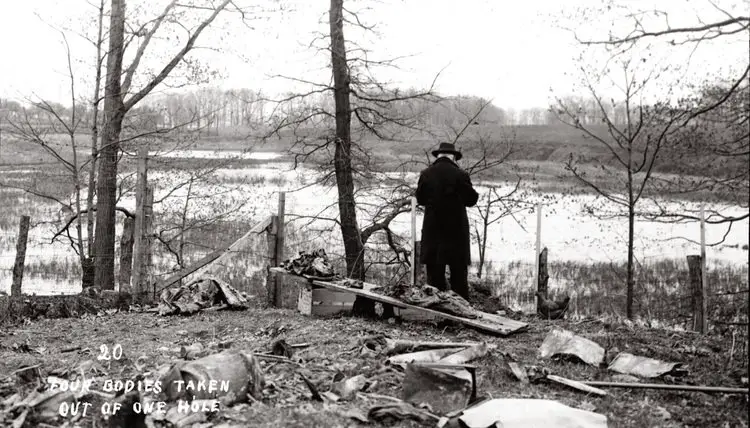
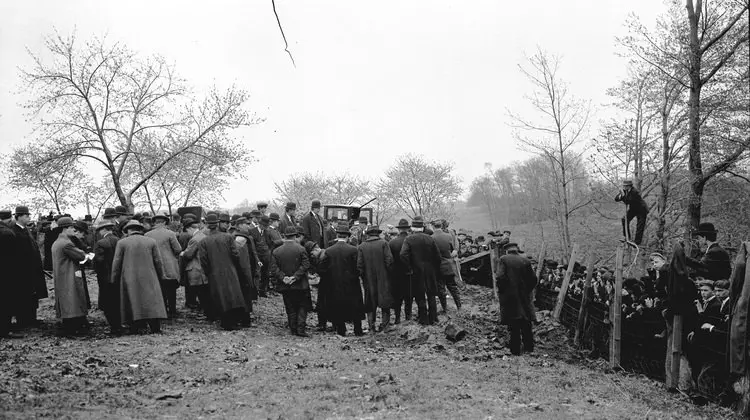
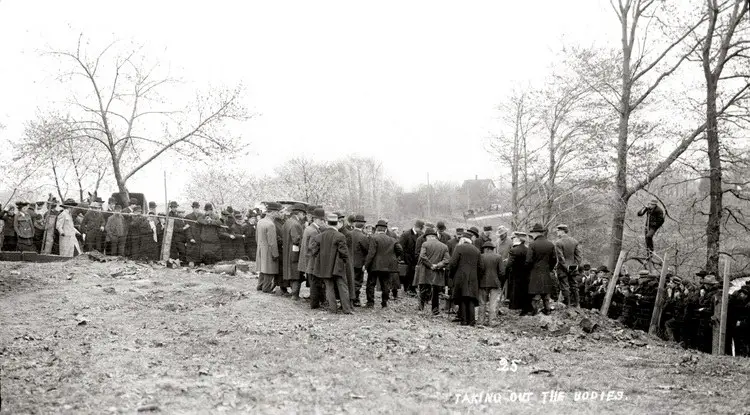
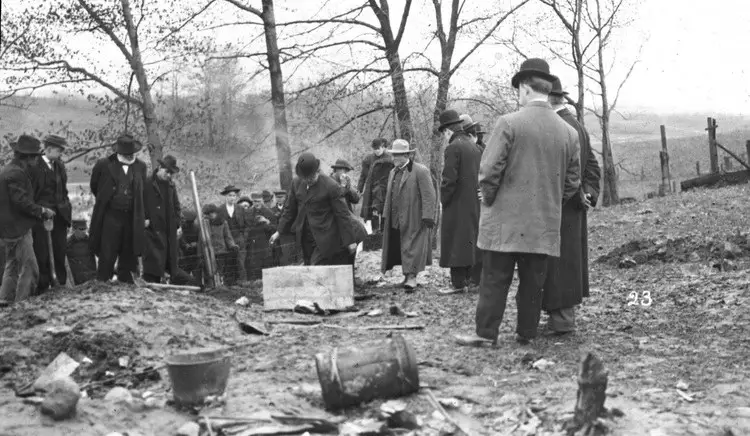
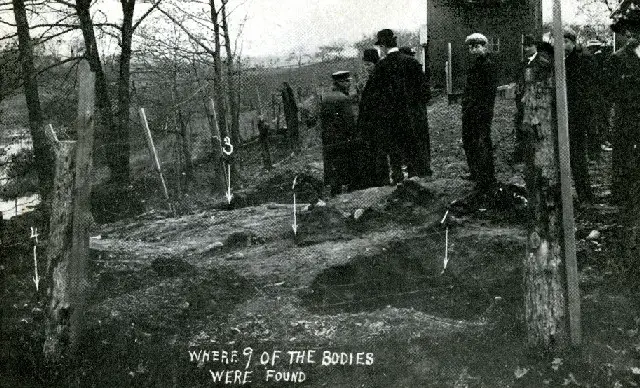
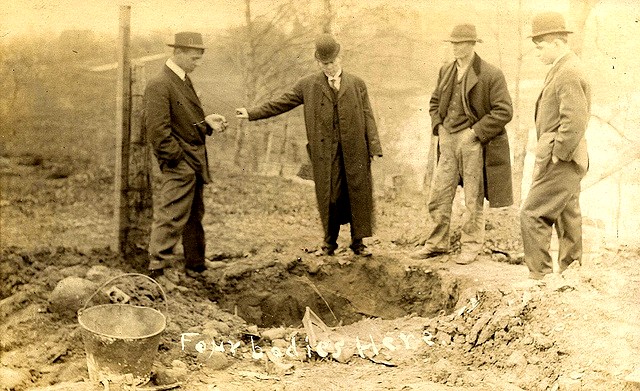
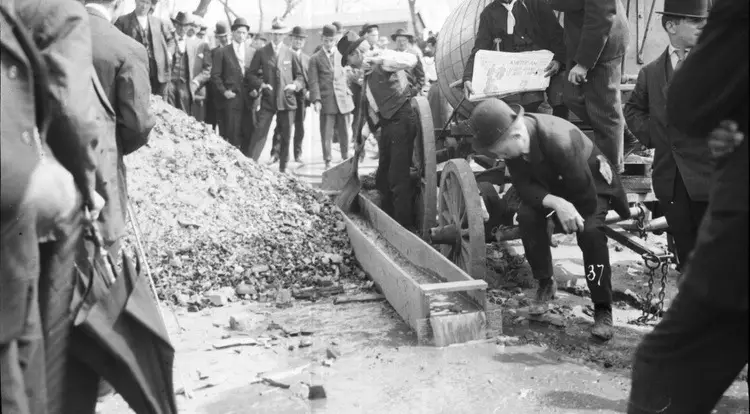
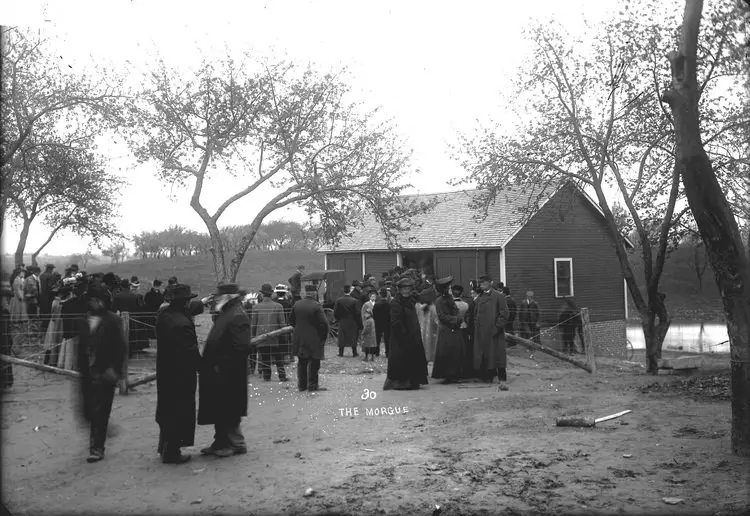
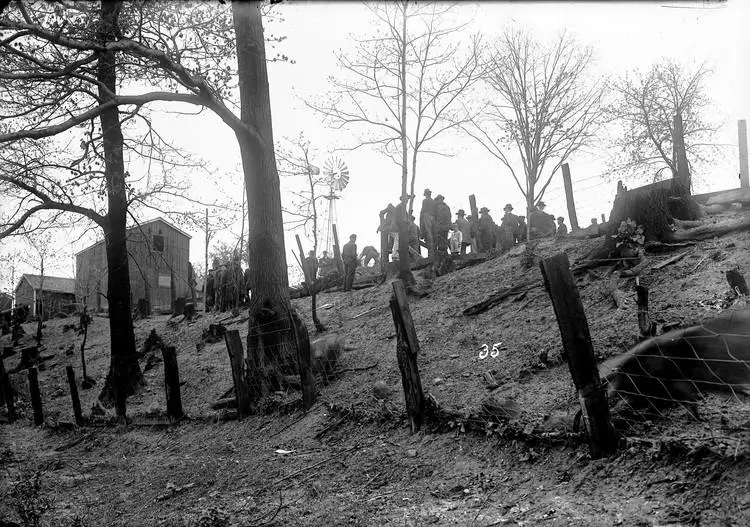
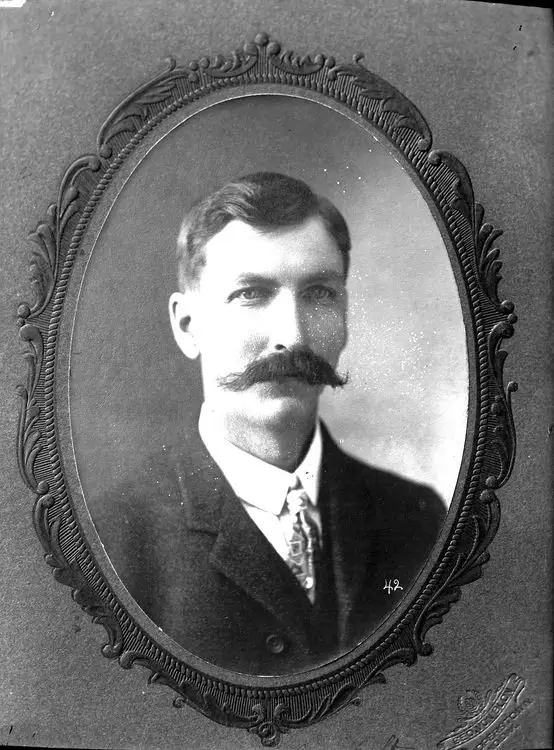
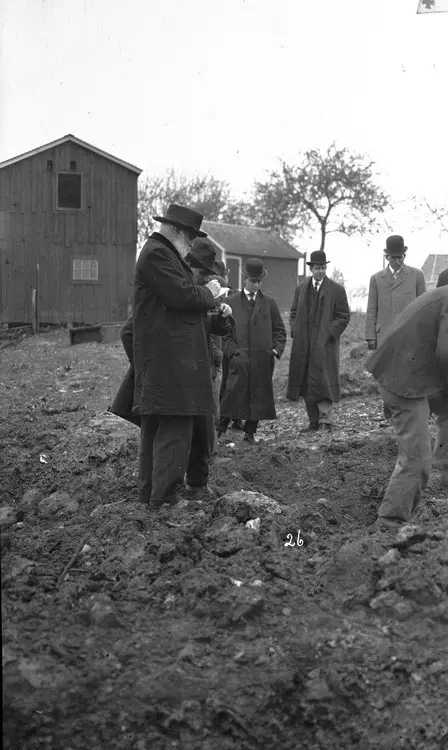
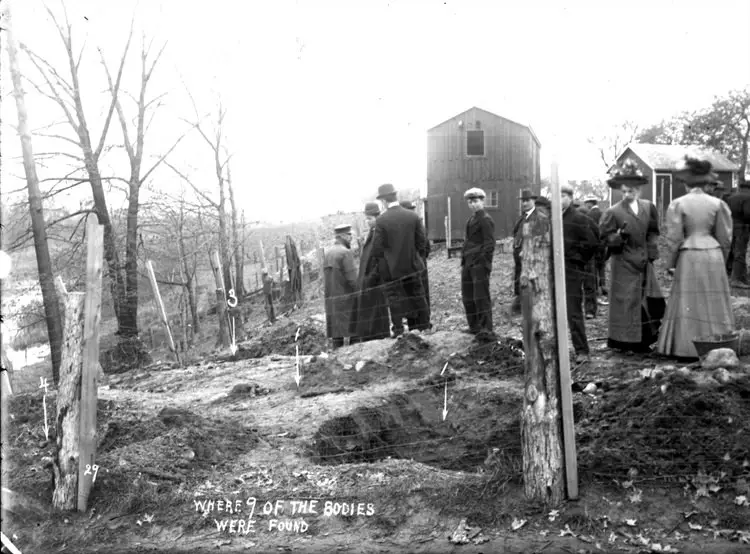
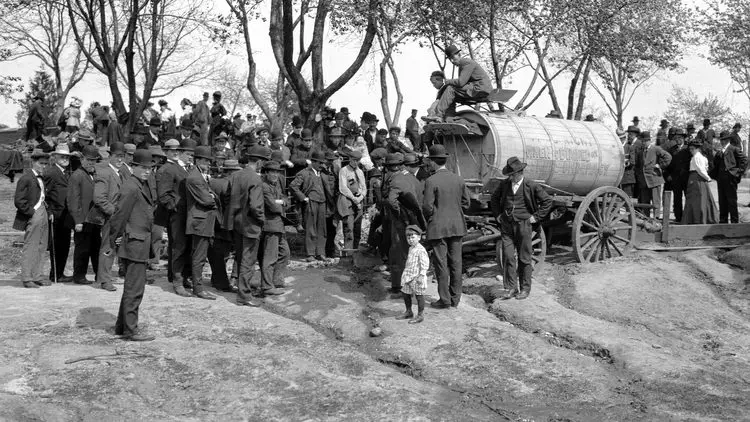
Three days after the fire, Asle Helgelien arrived in La Porte and insisted that Sheriff Albert Smutzer excavate soft, sunken depressions in the muddy pig pens:
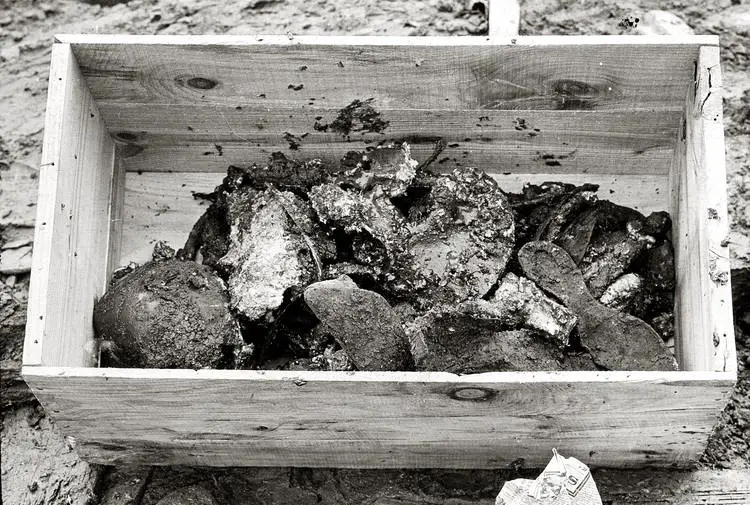
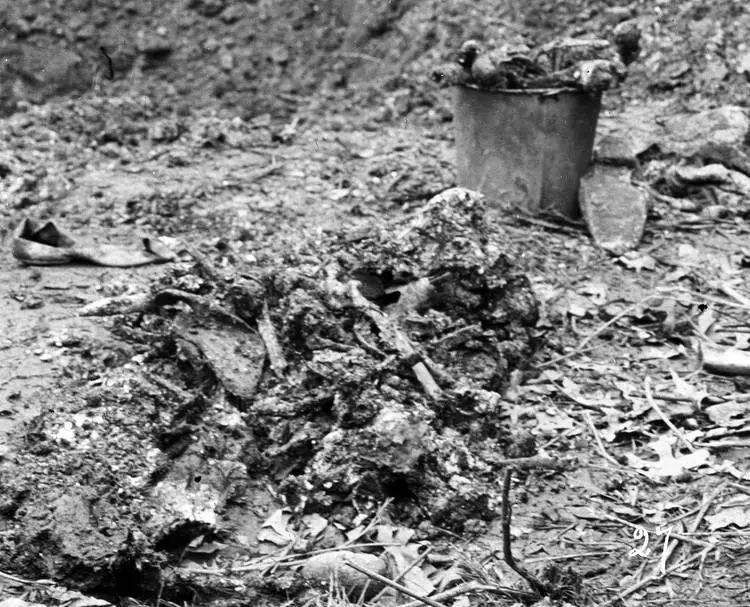
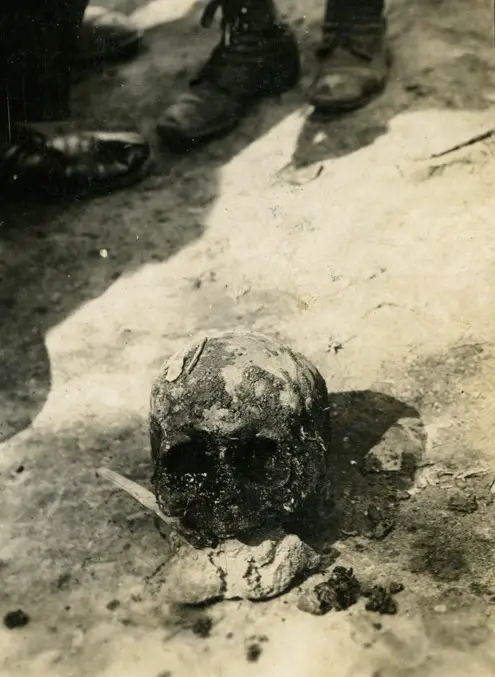
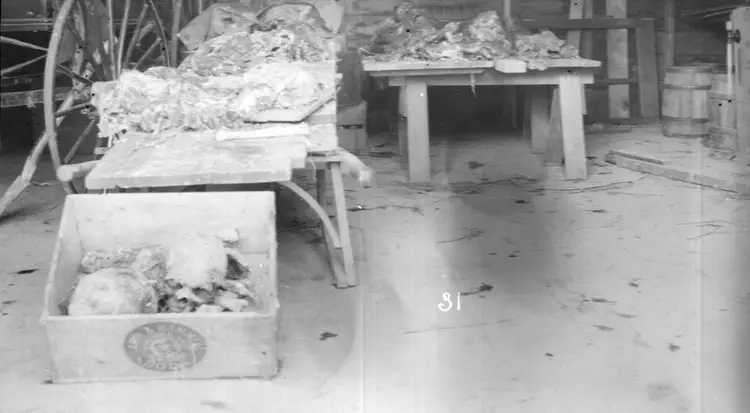
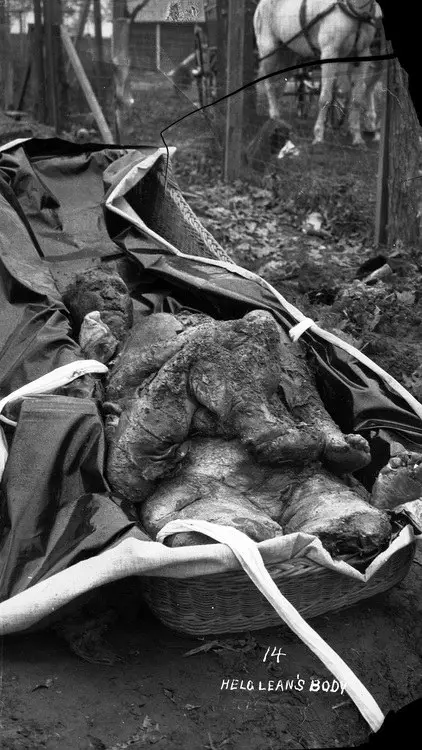
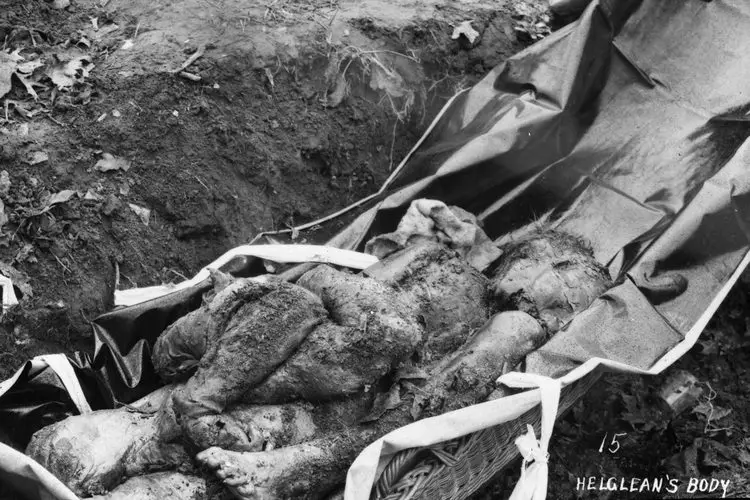
- Upon sinking the first shovels, laborers struck burlap sacks containing severed arms, legs, and human torsos coated in quicklime.
- The first body unearthed was positively identified by Asle as his brother, Andrew Helgelien.
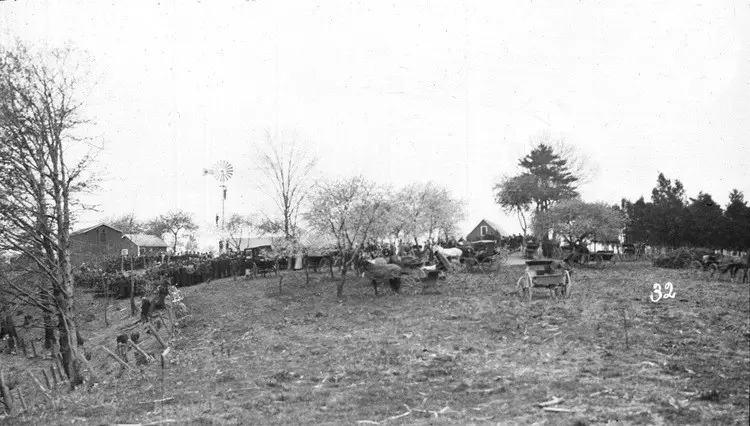
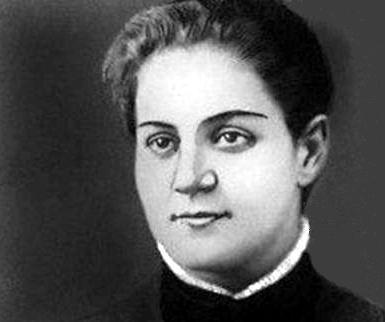
- Over two weeks of public excavations witnessed by thousands of onlookers and national press, remains of at least fourteen victims were recovered, including Jennie Olsen (Belle's foster daughter, whom Belle had claimed had been sent to a boarding school in California).
Hired hand Ray Lamphere was tried in autumn 1908; acquitted of murder, he was convicted of arson. In December 1909, dying of tuberculosis in the state prison at Michigan City, Lamphere summoned a clergyman and a notary to deliver a detailed confession:
- He swore that the headless body recovered from the basement was not Belle Gunness, but an innocent housekeeper named Phoebe Lawrence whom Belle had hired in Chicago days before the arson.
- Belle had chloroformed the woman, decapitated her, discarded the severed head in a swamp, dressed the corpse in her own nightclothes, and ignited the residence before escaping on foot toward the railway station with tens of thousands of dollars concealed in a corset.
Despite alleged sightings of Belle Gunness across San Francisco, Los Angeles, and New York over the subsequent three decades, the Black Widow of La Porte vanished permanently, leaving behind one of the most chilling legacies in criminal history.