




Forensic & Criminological Matrix
| Parameter | Forensic Detail |
|---|---|
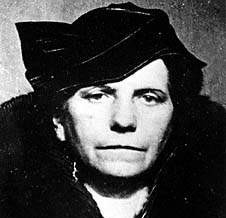
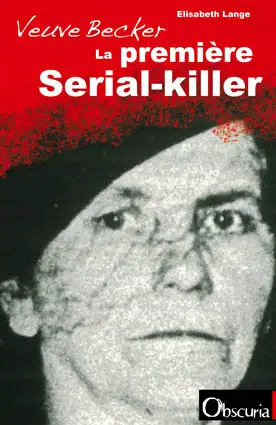
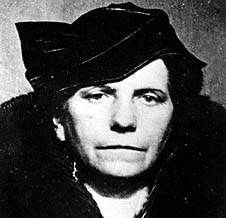
| Forensic Heading / Aliases | Marie Becker, The Hyena of Liege |
| Legal Identity | Marie Alexandrine Becker |
| Confirmed Victims | 10 (suspected up to 20) |
| Active Timeline | 1932 - 1936 |
| Jurisdiction / Area of Operations | Liege, Belgium |
| Criminological Classification | Serial Killer / Financial Poisoner |
| Forensic Modus Operandi | Surreptitious administration of digitalis in tea or food, followed by the theft of jewelry, money, and valuables |
| Weapon / Mechanism of Death | Poisoning via digitalis (cardiac glycoside overdose) |
| Motive / Behavioral Dynamics | Extreme hedonism, obsession with youth, financial gain to support young lovers (toyboys) and nightlife |
| Judicial Outcome | Sentenced to life imprisonment in October 1936; died in prison in 1938 during World War II |
1. Background and Profile
Marie Alexandrine Becker was born in 1877 in Liege, Belgium. For most of her early adult life, she maintained the facade of a proper, dutiful housewife married to a local cabinetmaker. Beneath this conventional exterior, however, lay a deep sense of boredom and a fierce resistance to aging. At age 53, a chance encounter at a street market with Lambert Beyer, a notorious local womanizer, unlocked repressed passions and an insatiable desire for a hedonistic lifestyle that her marriage strictly forbade.
2. Crime Spree and Modus Operandi
Believing her husband stood squarely in the path of her newly found desires, Becker turned to digitalis—a cardiac medication that, in excessive quantities, serves as a lethal and untraceable poison. Following her husband's murder in 1932 and the subsequent collection of his insurance and estate, she opened a fashionable dress shop in Liege.
However, her expensive nightlife, characterized by wild dancing and paying young gigolos for sexual services, rapidly depleted her capital. When funds ran low, she expanded her homicidal enterprise. Initially, she preyed on elderly acquaintances and friends under the guise of an attentive nurse, as seen with the July 1935 murder of Marie Castadot. Once her circle of friends was exhausted, Becker began poisoning female customers with digitalis slipped into tea cups in the back of her shop while discussing fashion. After their deaths, she looted their belongings and returned them to their homes to simulate natural causes.
3. Investigation and Arrest
Becker's downfall was triggered by an imprudent remark. When a female friend bitterly complained about her husband and wished him dead, Becker offered to supply a powder that would leave no trace. The alarmed woman reported the conversation to the Liege police, who had already received anonymous tips implicating Becker in a string of suspicious deaths among elderly women.
In October 1936, law enforcement arrested Becker and searched her residence, uncovering closets full of victims' clothes, jewelry, and a small green bottle of digitalis. Authorities exhumed the bodies of her husband, lover Lambert Beyer (whom she had dispatched in November 1934 when he grew tiresome and her funds dwindled), and several customers. Toxicological tests confirmed digitalis poisoning across the board.
4. Legal Proceedings and Outcome
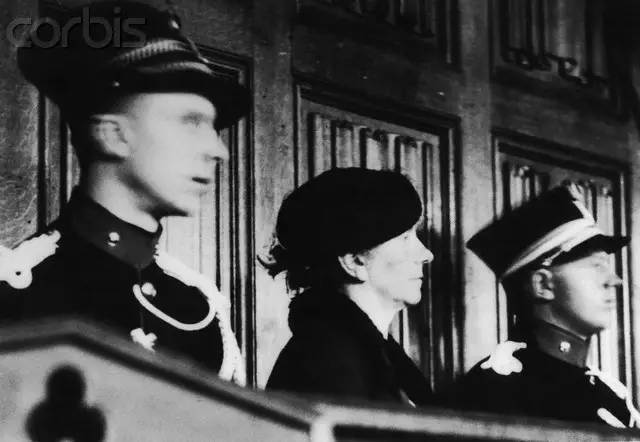
During her trial in October 1936, Marie Becker exhibited no remorse, openly gloating over the murders and describing the victims' deaths with chilling detachment. Witnesses testified that she routinely attended her victims' funerals, hysterically feigning grief at the gravesides, only to be spotted hours later performing erotic dances in Liege nightclubs with her stolen money.
Because Belgium did not enforce the death penalty at the time, Becker was sentenced to life imprisonment. She remained incarcerated until her death in prison in 1938 as World War II approached.