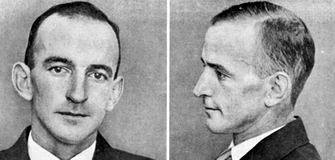
Forensic & Criminological Matrix
| Parameter | Forensic Detail |
|---|---|
| Forensic Heading / Aliases | The Ruawaro Murderer |
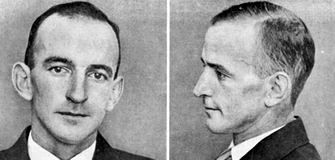
| Legal Identity | William Alfred Bayly |
| Confirmed Victims | 2 |
| Attributed / Indicted Victims | 2 |
| Active Timeline | 1933 |
| Jurisdiction / Area of Operations | Ruawaro, New Zealand |
| Criminological Classification | Instrumental Murderer |
| Forensic Modus Operandi | Homicide by blunt force and destruction of evidence via incineration |
| Weapon / Mechanism of Death | Blunt object and large furnace |
| Motive / Behavioral Dynamics | Neighborhood disputes and land conflicts |
| Judicial Outcome | Death sentence by hanging |
1. Background and Profile
William Alfred Bayly was a New Zealand farmer known for his volatile relationship with his neighbors, the Pendergast brothers. His profile suggests a cold, calculating individual capable of extreme measures to resolve personal grievances.
2. Criminal Career and Modus Operandi
In October 1933, Bayly murdered Samuel and Christobel Pendergast. His modus operandi involved the systematic destruction of the victims' bodies in a farm furnace, a method intended to eliminate forensic traces of the crime.
3. Investigation and Arrest
The disappearance of the Pendergast brothers led to an extensive police investigation. Forensic examination of the ashes found on Bayly's property revealed human remains and personal items belonging to the victims, providing the critical link for his arrest.
4. Legal Proceedings and Outcome
Bayly's trial was a landmark case in New Zealand's judicial history. Despite his defense, the circumstantial evidence was overwhelming, leading to a guilty verdict.
5. Forensic Psychiatric Evaluation and Final Outcome
Bayly was found sane and fit to stand trial. He was executed at Mount Eden Prison on July 20, 1934.