


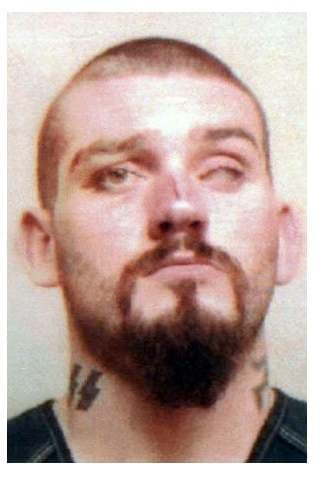
Forensic & Criminological Matrix
| Parameter | Forensic Detail |
|---|---|
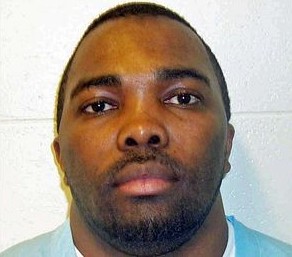
| Forensic Heading / Aliases | Joseph Earl Bates (Joe Bates) |
| Legal Identity | Joseph Earl Bates |
| Confirmed Victims | 1 (Charles Edwin Jenkins) |
| Active Timeline | August 1990 |
| Jurisdiction / Area of Operations | Yadkin County and Raleigh, North Carolina, United States |
| Criminological Classification | Impulse/Paranoid-motivated Homicidal Offender |
| Forensic Modus Operandi | Deceptive luring (false offer of transportation), unlawful confinement, blunt force trauma via shovel, physical restraint via hog-tying, coerced interrogation, and execution by firearm. Body concealment by river disposal |
| Weapon / Mechanism of Death | Shovel (blunt force trauma) and handgun (gunshot wound to the neck) |
| Motive / Behavioral Dynamics | Behavioral disorder and severe paranoia stemming from a prior traumatic brain injury (TBI) after a car accident; delusional vengeance linked to a shooting at his residence |
| Judicial Outcome | Twice sentenced to death (1991 and 1994). Executed by lethal injection on September 26, 2003, at Central Prison in Raleigh |
1. Background and Psychopathy
Joseph Earl Bates was born in 1968 in North Carolina. During his youth and school years, peers and relatives depicted him as an industrious and well-adjusted individual. However, a critical turning point occurred three years prior to the murder when he survived a severe automobile accident that resulted in traumatic brain injury (TBI). Defense experts and family testimonies indicated that this neurological trauma drastically altered his personality, rendering him markedly paranoid, irritable, and prone to irrational outbursts.
In July or August 1990, Bates's paranoia intensified significantly after unknown assailants fired gunshots into his home, forcing him to establish a temporary campsite. He developed obsessive, retaliatory delusions, convincing himself that acquaintances in his local area were connected to the attack, and openly confided in associates about his desire to kill.
2. Crime Spree and Modus Operandi
On August 11, 1990, at approximately 1:45 a.m., Charles Edwin Jenkins approached Bates and an acquaintance at a nightclub asking for a ride home. Bates agreed and transported Jenkins in his vehicle alongside Gary Shaver.
During the drive, Bates questioned Jenkins regarding his ex-girlfriend and her new partner. After stopping twice, Bates attacked Jenkins during the second stop, striking him three times in the back of the head with a shovel. When the victim began to moan, Bates struck him again, hog-tied his extremities, and placed him in the vehicle.
Bates drove Jenkins to his campsite, partially untied him, and interrogated him regarding the shooting at his house. Unsatisfied with Jenkins's answers and provoked by his defiant responses, Bates tied him to a tree, retrieved a borrowed firearm from his tent, placed it against Jenkins's throat, and ultimately dragged him to the back of his truck to execute him with a gunshot to the neck. After rummaging through his pockets, Bates retied the body and dumped it into the Yadkin River.
3. Investigation and Arrest
On August 25, 1990, two fishermen discovered Jenkins's floating corpse in the Yadkin River, bound at the wrists and ankles with a rope around his neck. Law enforcement investigation quickly focused on Bates. During a search of his residence, officers recovered physical items and molding bearing apparent bloodstains.
Confronted by investigators, Bates provided a detailed thirteen-page confession on the following day, admitting to the kidnapping, beating, hog-tying, and fatal shooting of Jenkins. Combined with corroborating statements from associates Gary Shaver and Hal Eddleman, authorities established a comprehensive evidentiary timeline.
4. Legal Proceedings and Outcome
In March 1991, a Yadkin County Superior Court jury found Bates guilty of first-degree murder and kidnapping, sentencing him to death. On appeal, the North Carolina Supreme Court overturned the conviction and ordered a retrial due to the improper denial of funds for a forensic psychologist.
A second trial in November 1994 resulted in a renewed guilty verdict for first-degree murder under both premeditation and felony-murder rules, alongside first-degree kidnapping. Judge Julius Rousseau sentenced Bates to death for murder and an consecutive forty-year term for kidnapping.
5. Psychiatric Evaluation and Execution
Throughout post-conviction appeals and clemency proceedings, defense attorneys emphasized that the second trial jury was not adequately informed of the severe neurological damage caused by his prior car crash, which severely impaired his impulse control. Claims of ineffective assistance of appellate counsel were also raised.
Both the North Carolina Supreme Court and the U.S. Supreme Court denied stays of execution, and Governor Mike Easley declined to grant executive clemency. Joseph Earl Bates was executed by lethal injection at Central Prison in Raleigh on September 26, 2003. When asked for final words, he cited Hebrews 13:6. He was pronounced dead at 2:14 a.m. at the age of 35.