




Forensic & Criminological Matrix
| Parameter | Forensic Detail |
|---|---|
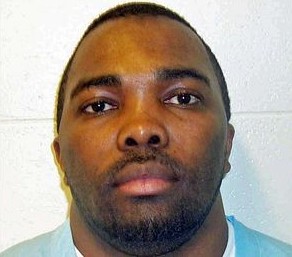
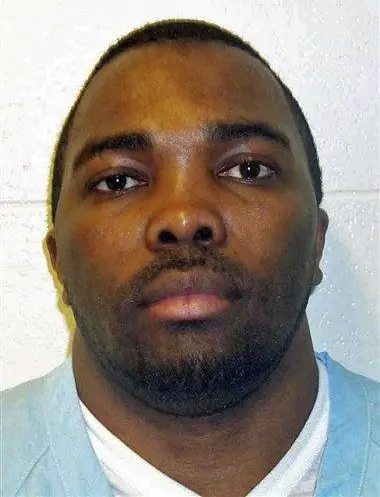
| Forensic Heading / Aliases | Edward Nathaniel Bell (Eddie Bell) |
| Legal Identity | Edward Nathaniel Bell |
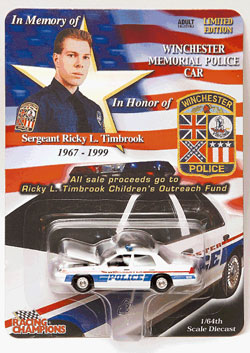
| Confirmed Victims | 1 (Sergeant Ricky Lee Timbrook) |
| Active Timeline | October 29, 1999 |
| Jurisdiction / Area of Operations | Winchester, Virginia, USA |
| Criminological Classification | Law enforcement cop-killer / Recidivist offender |
| Forensic Modus Operandi | Fleeing police foot patrol, tactical ambush, and execution-style single close-range gunshot to the head using a .38 caliber handgun |
| Weapon / Mechanism of Death | .38 caliber revolver |
| Motive / Behavioral Dynamics | Personal grudge against the officer due to prior arrests and avoidance of probation revocation |
| Judicial Outcome | Sentenced to death for capital murder (2002); executed by lethal injection at Greensville Correctional Center (2009) |
1. Background and Profile
Edward Nathaniel Bell was a Jamaican national residing in the United States with a documented criminal record and prior friction with law enforcement officers in Winchester, Virginia. Considered by investigators to be involved in low-level drug distribution, Bell harbored deep animosity toward the Winchester Police Department, specifically targeting Sergeant Ricky Lee Timbrook, who had arrested him on at least two previous occasions. Although defense teams later attempted to introduce psychometric evaluations indicating lower intellectual functioning during sentencing, federal and state courts repeatedly dismissed these claims to uphold the conviction.
2. Crime Spree and Modus Operandi
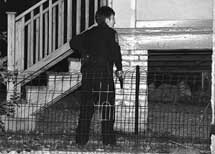
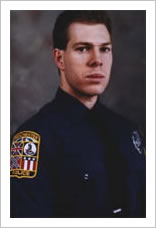
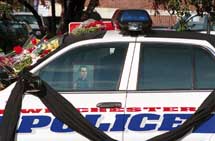
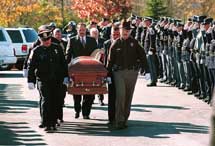
On October 29, 1999, 32-year-old Sergeant Ricky Lee Timbrook was assisting probation officers on routine home visits when he encountered Bell and another man. Upon approach, Bell fled on foot. During the ensuing chase, as Timbrook attempted to scale a fence, Bell turned and fatally shot him once in the head at close range with a .38 caliber handgun. Following the homicide, Bell unlawfully secreted himself in the basement of a nearby neighbor's residence and later hid the murder weapon beneath a porch. His behavioral patterns demonstrated an aggressive, impulsive reaction aimed at evading imminent arrest and prison revocation.
3. Investigation and Manhunt
Law enforcement mounted an immediate and rigorous containment operation. After securing the sector, officers discovered Bell hiding uninvited inside a nearby home. The following day, authorities recovered the .38 caliber firearm underneath a residential porch. Key witnesses testified that Bell had attempted to sell them the handgun on the night of the murder. Forensic ballistics and circumstantial testimony reinforced a watertight investigative matrix that systematically dismantled Bell's claims of innocence.
4. Legal Proceedings and Outcome
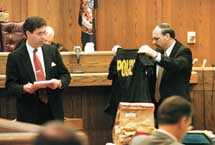
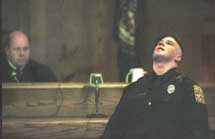
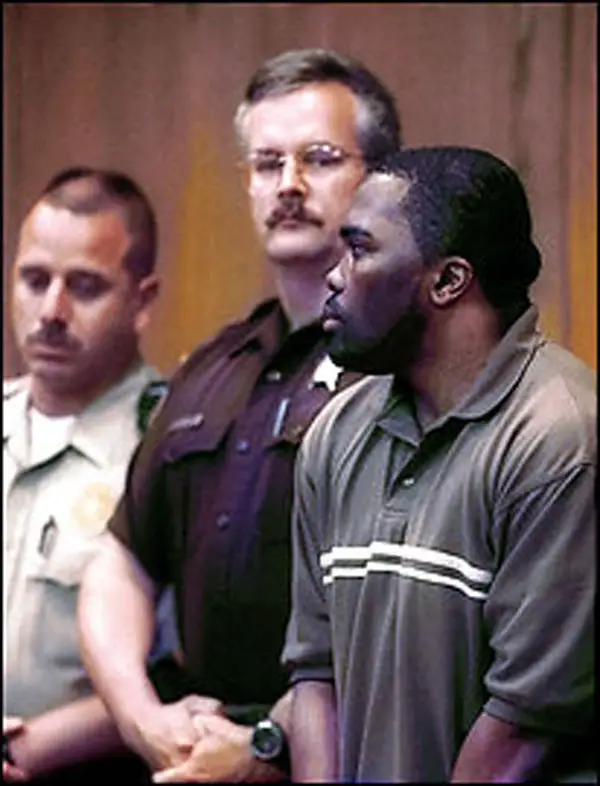
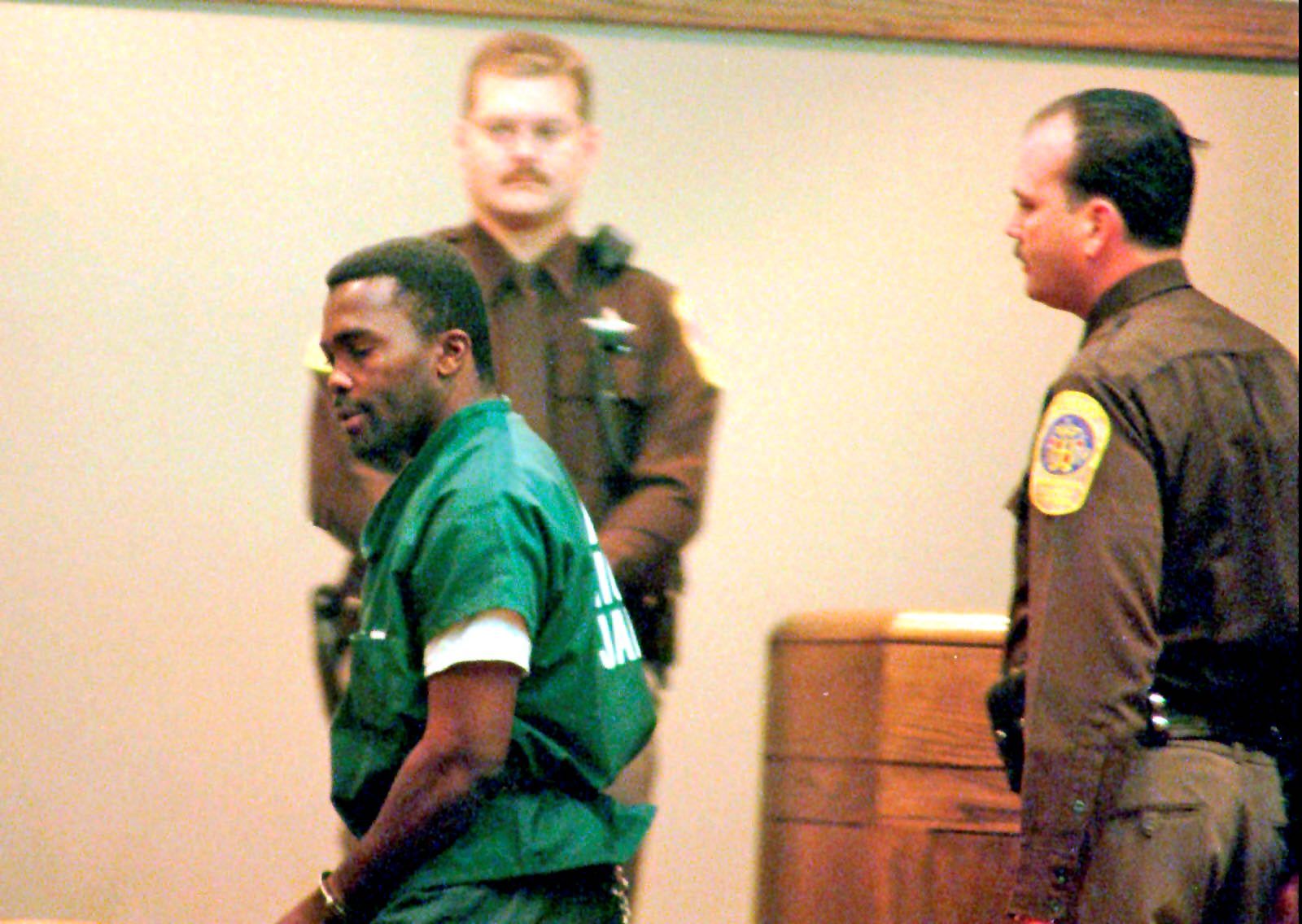
Bell was formally charged and tried for capital murder. In 2002, a Virginia jury convicted him and recommended the death penalty, a sentence subsequently affirmed by the Supreme Court of Virginia. Throughout his appellate proceedings, defense counsel argued ineffective assistance of counsel during the sentencing phase and raised claims regarding intellectual disability. Nevertheless, state and federal courts—including the U.S. Court of Appeals for the Fourth Circuit and the United States Supreme Court—rejected all appeals.
5. Psychiatric Assessment and Execution
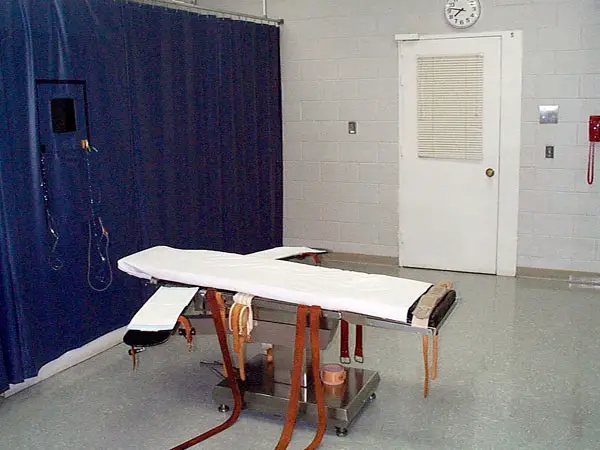
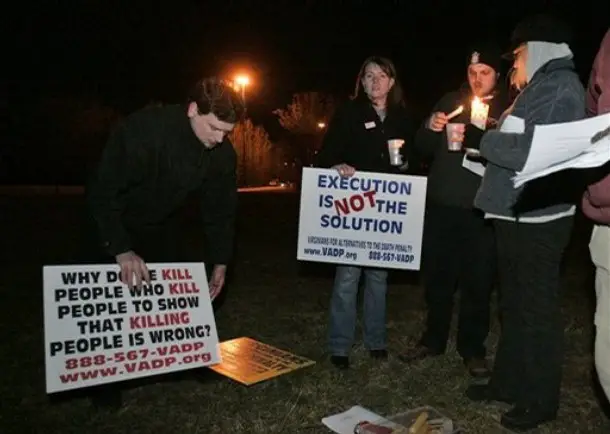
Forensic evaluations confirmed no incapacitating psychotic pathologies affecting his legal sanity or culpability. On February 19, 2009, after all legal avenues and a clemency petition submitted to Governor Timothy M. Kaine were denied, Edward Nathaniel Bell was executed by lethal injection at the Greensville Correctional Center in Jarratt, Virginia. Maintaining his denial of guilt to the end, he was pronounced dead at 9:11 p.m.