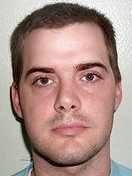





Forensic & Criminological Matrix
| Parameter | Forensic Detail |
|---|---|
| Forensic Heading / Aliases | Mark Wesley Bailey |
| Legal Identity | Mark Wesley Bailey |
| Confirmed Victims | 2 (Katherine Bailey, Nathan Bailey) |
| Attributed / Indicted Victims | 2 |
| Active Timeline | September 10, 1998 |
| Jurisdiction / Area of Operations | Hampton, Virginia, USA |
| Criminological Classification | Family Annihilator / Filicide-Spousal Homicide |
| Forensic Modus Operandi | Close-range firearm execution of vulnerable sleeping victims, followed by staged crime scene manipulation to simulate an outside burglary (severed phone lines and window screen). |
| Weapon / Mechanism of Death | .22-caliber semiautomatic handgun |
| Motive / Behavioral Dynamics | Pathological jealousy, marital distress, borderline personality disorder, and severe depressive episode. |
| Judicial Outcome | Sentenced to death for the murder of his son and life imprisonment for his wife in July 1999; executed by lethal injection on July 22, 2004, at Greensville Correctional Center. |
1. Background and Profile
Mark Wesley Bailey was a U.S. Navy veteran, submarine machinist's mate, and Gulf War veteran. He married Katherine (Katie) Bailey, who was his first cousin once removed, a union that caused significant friction within their extended family. Throughout his life, Bailey suffered from severe depressive episodes, a history of suicide attempts, and psychological vulnerabilities later diagnosed by clinical experts as borderline personality disorder, characterized by extreme emotional dysregulation and impulsivity.
2. Criminal Career and Modus Operandi
In the early morning hours of September 10, 1998, at his home in Hampton, Virginia, Bailey executed a premeditated plan born from marital discord and unfounded suspicions of infidelity. After momentarily contemplating suicide, he entered the bedroom and shot his sleeping wife, Katherine, three times in the head. Moments later, upon hearing his two-year-old son, Nathan, wake up and climb out of his crib, Bailey shot the toddler twice in the head to prevent him from witnessing the crime. To obstruct the subsequent investigation, he cut the exterior telephone line and sliced a bathroom window screen to simulate a forced entry.
3. Investigation and Arrest
Following the killings, Bailey attempted to establish a false alibi by going to work, interacting normally with colleagues, and claiming he received a threatening call regarding his wife's safety. Law enforcement officers quickly recognized inconsistencies in the simulated crime scene and dismantled the burglary hypothesis. Confronted during interrogation and after failing a polygraph test, Bailey confessed in writing to the murders of his wife and son.
4. Legal Proceedings and Outcome
In July 1999, a Virginia jury convicted Bailey of capital murder. While defense experts testified regarding his compromised mental state and borderline personality disorder, prosecutors emphasized the calculated nature of the crimes and the statutory aggravating factor regarding the young age of the victim. Bailey was sentenced to death for the murder of his son and life imprisonment for the murder of his wife.
5. Psychiatric Evaluation and Execution
Subsequent appeals by legal counsel, veterans' organizations, and family advocates—arguing that untreated mental illness drove the tragedy—were rejected by state and federal courts. Governor Mark R. Warner denied executive clemency, and the U.S. Supreme Court declined a final stay of execution. Mark Wesley Bailey was put to death via lethal injection on July 22, 2004, at the Greensville Correctional Center in Jarratt, Virginia.