Forensic & Criminological Matrix
| Parameter | Forensic Detail |
|---|---|
| Forensic Heading / Aliases | The Wedgwood Baptist Church Shooter |
| Legal Identity | Larry Gene Ashbrook |
| Confirmed Victims | 7 deceased, 7 injured |
| Active Timeline | September 16, 1999 |
| Jurisdiction / Area of Operations | Fort Worth, Texas, USA |
| Criminological Classification | Mass Murderer |
| Forensic Modus Operandi | Methodical armed assault during a youth rally |
| Weapon / Mechanism of Death | 9mm semiautomatic handgun, .380-caliber handgun |
| Motive / Behavioral Dynamics | Schizotypal personality disorder, paranoid delusions |
| Judicial Outcome | Perpetrator suicide at the scene |
1. Background and Psychopathy
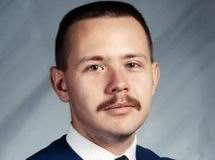
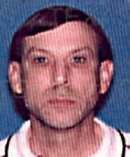
Larry Gene Ashbrook was a 47-year-old loner with a history of erratic behavior and social withdrawal. In the months leading up to the shooting, he exhibited clear signs of paranoia, claiming to be targeted by the CIA and coworkers. His home was found in a state of severe disrepair, reflecting his psychological disintegration.
2. Crime Spree
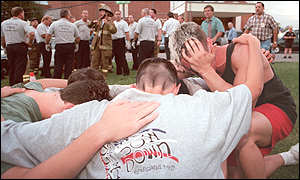
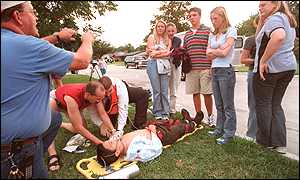
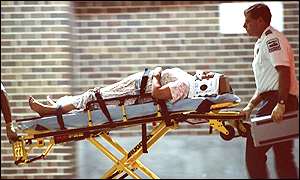
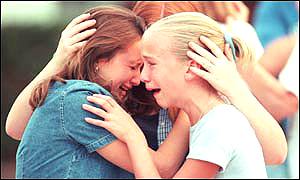
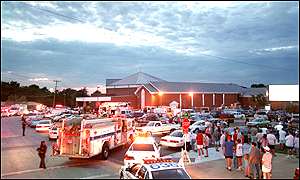
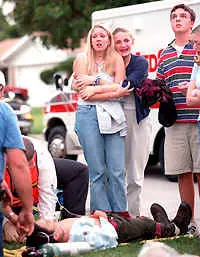
On September 16, 1999, Ashbrook entered the Wedgwood Baptist Church in Fort Worth during a youth concert. He opened fire on the congregation, killing seven people and wounding seven others. The attack was captured on two separate video cameras, which documented his slow, methodical movements as he reloaded his weapons.
3. Investigation and Arrest
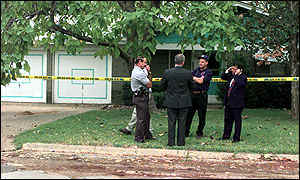
Law enforcement investigators were unable to establish a clear motive or a specific link between Ashbrook and the church. The investigation relied heavily on the recovered video footage and forensic analysis of his residence, where they discovered bomb-making materials and evidence of his deteriorating mental state.
4. Legal Proceedings and Outcome
As Ashbrook committed suicide in the sanctuary immediately following the shooting, no criminal trial took place. The case remains a significant study in the forensic analysis of mass casualty events and the role of untreated mental illness in public violence.